Your pillow is very important. It helps your head and neck rest well. But, do you know when to change your pillow? Many people keep their pillow for too long. This can cause problems for your sleep and health. In this article, you will learn about when and why to replace your pillow.
Why Is It Important to Replace Your Pillow?
Pillows do not last forever. Over time, they get old and lose their shape. A pillow that is old does not support your head well. This can cause neck pain or headaches. Also, pillows collect dust and dirt. They can hold sweat, skin flakes, and even bugs. This can make you sneeze or cough. It may also cause allergies.
What Happens To Pillows Over Time?
- Loss of support: Pillows become flat and soft.
- Build-up of dust mites: Tiny bugs live in pillows.
- Accumulation of sweat and oils: This makes pillows dirty.
- Bad smell: Old pillows can smell bad.
- Stains and discoloration: Pillows get yellow or brown spots.
How Often Should You Replace Your Pillow?
Experts say you should change your pillow every 1 to 2 years. This is the best time to keep your pillow clean and healthy. But, it can depend on the pillow type. Some pillows last longer than others. Let’s look at some common pillow types and their lifespan.
| Pillow Type | Recommended Replacement Time |
|---|---|
| Feather or down pillows | Every 1 to 2 years |
| Memory foam pillows | Every 2 to 3 years |
| Polyester fiber pillows | Every 1 to 2 years |
| Latex pillows | Every 3 to 4 years |
Signs You Need to Replace Your Pillow
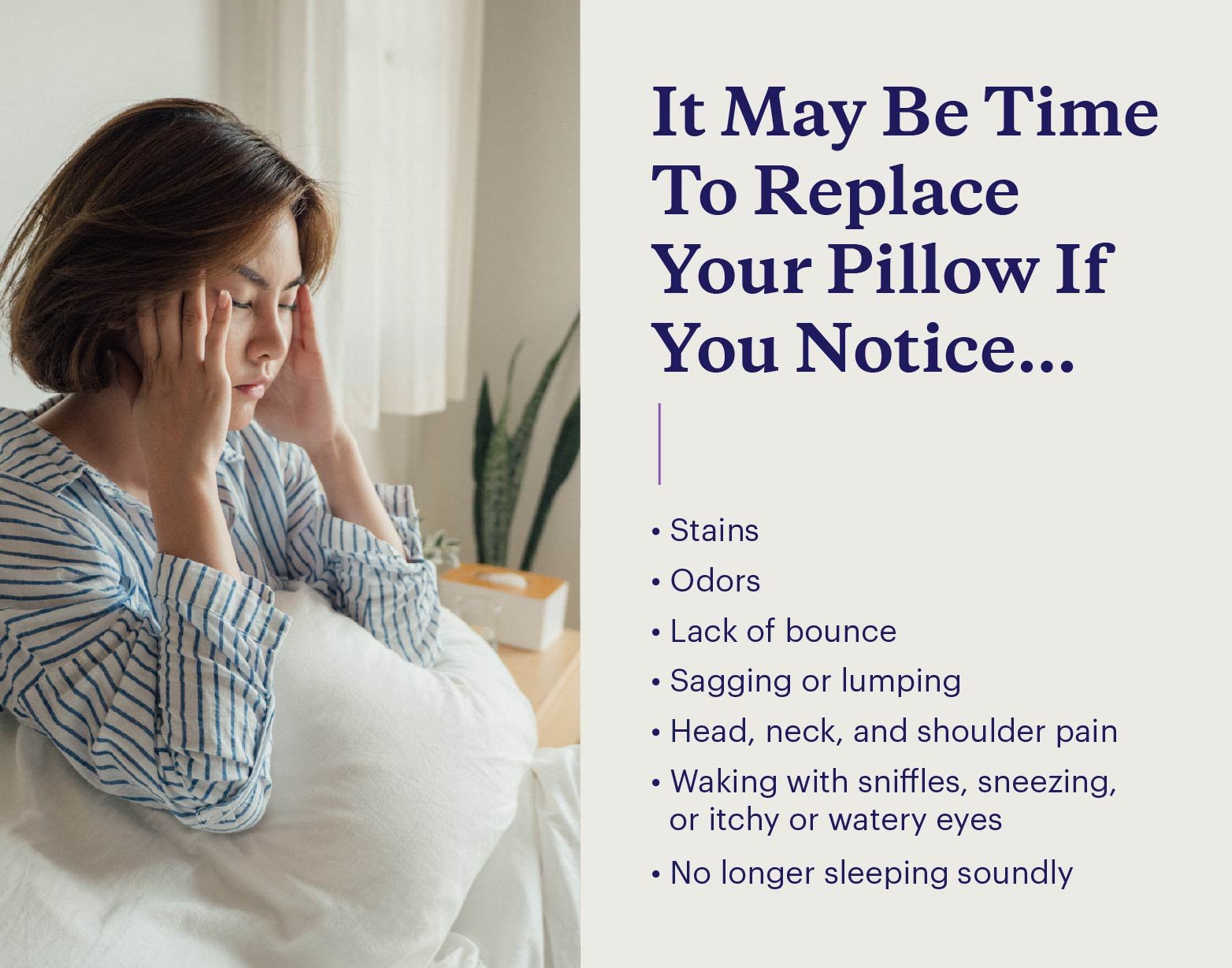
Not sure if your pillow needs to be changed? Here are some signs to watch for. If you see any of these, it’s time to get a new pillow.
- Your pillow is flat: It no longer feels soft or fluffy.
- You wake up with neck or shoulder pain: Pillow may not support your head.
- There is a bad smell: Pillow smells musty or dirty.
- You sneeze or cough at night: Pillow may have dust mites or allergens.
- Stains or discoloration: Pillow looks dirty even after washing.
- It feels lumpy or uneven: Pillow stuffing is clumped or moved.
How to Take Care of Your Pillow
Taking good care of your pillow can make it last longer. Here are some easy tips to keep your pillow clean and fresh.
- Use a pillow protector: This stops sweat and dirt from reaching the pillow.
- Wash pillowcases often: Change pillowcases once a week.
- Wash pillows regularly: Check the label for washing instructions. Some pillows can be machine washed.
- Air out your pillow: Let your pillow dry in the sun. This kills germs and freshens it up.
- Fluff your pillow daily: This helps keep its shape and support.
- Keep pets off the pillow: Pets can bring dirt and hair.
What Happens If You Don’t Replace Your Pillow?
Not changing your pillow can cause problems. Here are some issues that can happen if you keep an old pillow.
- Neck and back pain: Old pillows do not support your body.
- Poor sleep quality: Uncomfortable pillows make it hard to sleep well.
- Allergies and asthma: Dust mites and dirt can make breathing hard.
- Skin problems: Dirty pillows can cause acne or irritation.
- Bad smells: This makes your bedroom less pleasant.
Credit: www.abc.net.au
Choosing the Right Pillow
When you replace your pillow, choose one that fits your needs. Here are some tips to find the right pillow.
- Think about your sleeping position: Side, back, or stomach?
- Look for good support: Pillow should keep your neck straight.
- Choose a pillow with washable cover: Easy to clean and keep fresh.
- Pick a pillow material you like: Memory foam, feather, or cotton.
- Check pillow size: It should fit your bed and body well.
Credit: purple.com
Summary
You should replace your pillow every 1 to 3 years. This depends on the pillow type. Look for signs like flatness, bad smell, or pain. Taking care of your pillow helps it last longer. A clean pillow gives you better sleep and health. Don’t wait too long to get a new pillow. Your neck and body will thank you!
Remember, a good pillow is key for a good night’s sleep.
Frequently Asked Questions
How Often Should You Replace A Pillow For Better Sleep?
Experts recommend replacing pillows every 1 to 2 years to maintain good support and hygiene. Old pillows can lose shape and collect dust mites.
What Signs Show It’s Time To Change Your Pillow?
Look for lumps, flatness, or bad smells in your pillow. Also, waking up with neck pain means it may need replacement.
Can Pillows Cause Allergies If Not Replaced Often?
Yes, old pillows can hold dust mites and allergens. This can trigger sneezing, coughing, and skin irritation.
Does Pillow Type Affect How Often To Replace It?
Different pillow materials last different times; memory foam may last 2-3 years, while feather pillows need replacement sooner. Always check manufacturer’s advice.
Leave a Reply