Cushions support sitting posture; pillows support neck and sleep comfort.
If you have wondered about cushion vs pillow, you are not alone. I have helped many people pick both for couches and beds. The right choice can change how you sit, sleep, and feel each day. In this guide, I will explain cushion vs pillow with clear steps, simple tips, and real use cases. You will learn what to buy, how to care for it, and how to avoid common mistakes.

What’s the real difference?
Cushions are made for sitting. They live on sofas, chairs, benches, and floors. They help your hips and lower back. They also add color and shape to a room.
Pillows are made for sleep. They support your neck and head in bed. The goal is spinal alignment and pressure relief through the night.
Here is a simple way to see cushion vs pillow:
- Function. Cushions support your seat and posture. Pillows support your neck and sleep.
- Shape. Cushions are often square or rectangle. Pillows vary by sleep need, such as standard, queen, king, or body.
- Loft. Cushions are low to medium loft. Pillows range from low to high loft to match your sleep position.
- Feel. Cushions balance comfort and durability. Pillows focus on cradle and alignment.
- Location. Cushions sit in living spaces. Pillows live in bedrooms.
I learned this the hard way. I once used a firm sofa cushion as a bed pillow during a move. My neck hurt the next day. Function matters.
To match search intent, here is the clear view of cushion vs pillow. Cushions for seating. Pillows for sleeping. The rest is fit, feel, and care.

Anatomy and materials that matter
The inside defines the feel. The outside defines the mood and care. Both shape your daily comfort.
Common fills you will see:
- Memory foam. Great contour. Best for pillows and some seat cushions. Can sleep warm if not ventilated.
- Latex foam. Bouncy and cool. Resists sag better. Good for pillows and firm seat pads.
- Down and feather. Plush and airy. Easy to fluff. Lower support unless blended or chambered.
- Polyester fiber. Budget friendly. Light and soft. Flattens faster than foam.
- Cotton or wool. Natural and breathable. Firm at first. May compress over time.
- Gel or shredded blends. Better airflow. Adjustable height for pillows.
Covers and weaves:
- Cotton and linen. Breathable and easy to wash. Casual to upscale look.
- Polyester and performance fabrics. Stain resistant. Good for families and pets.
- Velvet and chenille. Lux feel. Needs gentle care.
- Bamboo or Tencel. Cool touch. Good for hot sleepers.
- Outdoor fabrics. UV and water resistant. Ideal for patio cushions.
Build and durability:
- Cushions need strong seams and dense foam cores. A seat cushion should bounce back after use.
- Pillows need a shell that keeps fill in place. Look for gussets for edge support and even fill.
Certifications to look for:
- CertiPUR-US for foam. Limits certain chemicals and ensures tested performance.
- OEKO-TEX Standard 100 for fabrics. Tests for harmful substances.
- GOLS or GOTS for natural latex or organic cotton. Useful for eco and allergy goals.
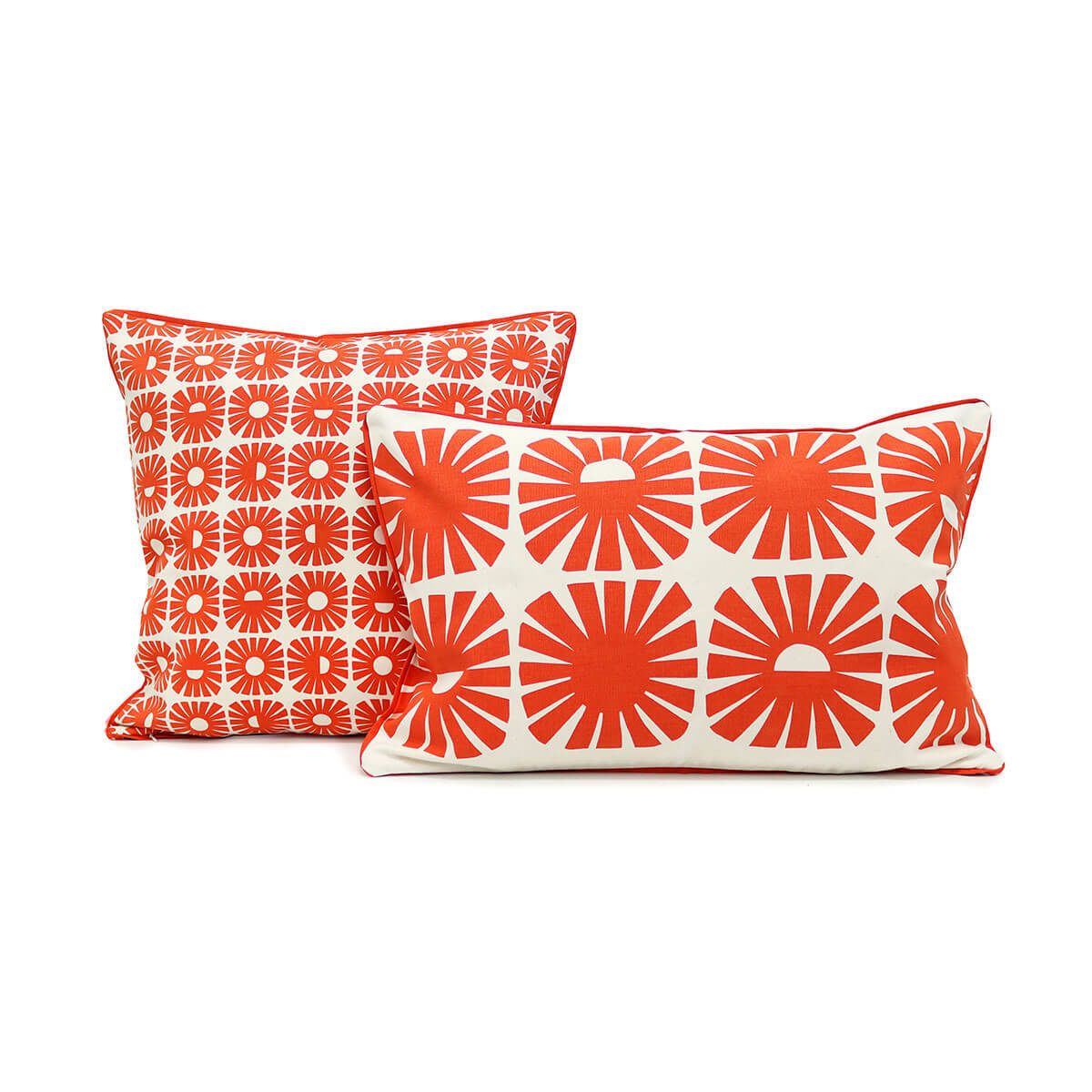
Everyday use cases
Think about how and where you sit or sleep. That choice guides cushion vs pillow.
Best uses for cushions:
- Sofa or chair support. Add a lumbar cushion if your lower back gets tight.
- Floor seating. Use thick floor cushions for games, reading, or meditation.
- Bench dining. A firm, dense cushion helps posture during meals.
Best uses for pillows:
- Bed sleep. Choose loft by sleep position.
- Side sleeper. Medium-high loft for neck space.
- Back sleeper. Medium loft for neutral alignment.
- Stomach sleeper. Low loft to reduce neck crank.
- Specialty needs. Try a wedge pillow for reflux or a body pillow for side sleep comfort.
- Travel. A U-shaped travel pillow can reduce neck strain on flights.
Real-world tip: I keep a slim lumbar cushion in my home office chair. It cut my afternoon back ache by half. For bed, I use a medium loft latex pillow. It keeps my neck aligned without sinking.

Ergonomics and health
Good support feels invisible. Bad support feels like a sore neck or stiff back. The cushion vs pillow choice affects both.
Spinal alignment basics:
- Sitting. Your hips and knees should be level. A seat cushion should prevent you from sinking. A small lumbar cushion fills the curve of your lower back.
- Sleeping. Your head should line up with your spine. A pillow fills the gap between head and mattress. The right loft depends on shoulder width and mattress firmness.
Pressure relief:
- Side sleepers need space under the neck and less push on the ear. A contoured pillow can help.
- Back sleepers need gentle cradle under the head and firm support for the neck curve.
- Sitting longer than an hour? A high-density cushion lowers hip pressure.
Pain signals to watch:
- Neck pain upon waking. Your pillow is likely too high or too low.
- Numb arms or tingling. Your pillow may be too firm or too high, tilting your neck.
- Hip or tailbone soreness. Your seat cushion may be too thin or too soft.
Simple tests:
- Two-finger rule for pillows. Slide two fingers between your neck and pillow. If there is a big gap, raise loft. If you feel jammed, lower loft.
- Bounce-back test for cushions. Press down and release. It should recover fast and feel stable.
Care, hygiene, and longevity
Clean gear lasts longer and feels better. This is key in the cushion vs pillow debate.
How often to wash:
- Pillowcases. Weekly.
- Cushion covers. Monthly or as needed.
- Pillow protectors. Monthly.
- Outdoor cushions. Rinse dust every few weeks.
Deep cleaning:
- Foam cores. Spot clean only. Air dry fully.
- Down or fiber. Use a gentle cycle if the label allows. Dry low with dryer balls.
- Stains. Treat fast with mild soap and cold water.
Replace timelines:
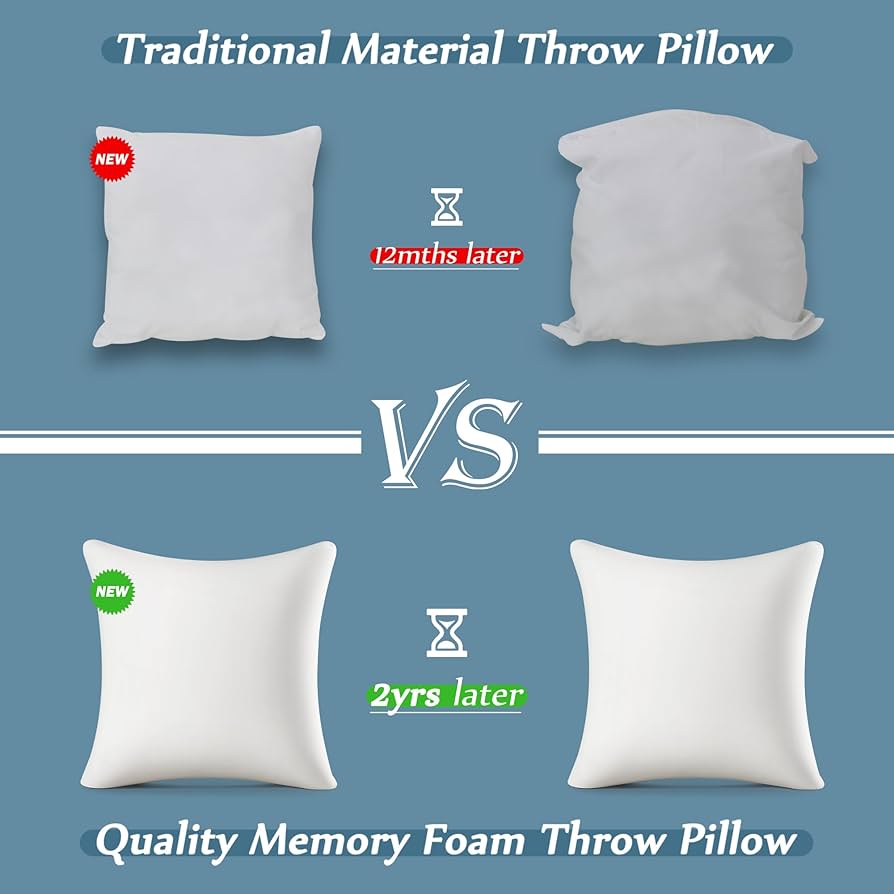
- Pillows. About 1 to 3 years, depending on fill. Latex and high-quality memory foam last longer.
- Seat cushions. About 3 to 7 years. Outdoor cushions may need faster replacement due to sun and rain.
Allergy tips:
- Use zippered protectors on pillows to block dust mites.
- Choose washable covers for cushions.
- Look for hypoallergenic fills if you are sensitive.

Buying guide: how to choose the right one
Use this step-by-step plan to pick between cushion vs pillow and get the best fit.
For cushions:
- Measure your seat. Length, width, and thickness matter.
- Choose density first. Higher density foam resists sag and supports better.
- Pick a cover you can clean. Removable is a plus.
- Test firmness. Sit for five minutes. You should feel stable yet comfy.
For pillows:
- Match loft to sleep position. Side needs more. Back needs medium. Stomach needs less.
- Pick your fill feel. Foam contours. Latex bounces. Down feels plush.
- Check breathability. Ventilated foam or natural fibers help hot sleepers.
- Consider adjustability. Shredded fill or zipped chambers let you fine-tune height.
Budget ranges:
- Cushions. Entry polyester sets are cheap but flatten fast. Invest in dense foam for seats you use daily.
- Pillows. Mid-range latex or memory foam can last years and protect your neck.
Checklist before you buy:
- Does this solve my pain or posture need?
- Can I wash the parts I touch most?
- Is the size right for my space or bed?
- Are there trusted safety or fabric standards?

Style and design tips that also support comfort
Your space can look great and feel great. Here is how cushion vs pillow plays into style.
Color and pattern:
- Use cushions to tie room colors together. Mix one bold print with two solids.
- In bedrooms, keep pillow shams calm and restful, unless you want a pop wall-to-wall.
Layering:
- Sofa. Two larger cushions at the ends, one lumbar in the middle.
- Bed. Sleep pillows first, then decorative pillows you remove at night.
Shapes:
- Square cushions are classic. Rectangular lumbar cushions target support.
- For pillows, a contoured neck shape can help back and side sleepers.
Pro tip: I rotate cushion covers by season. Lighter linen for summer. Cozy chenille for winter. It feels like a new room without big spend.
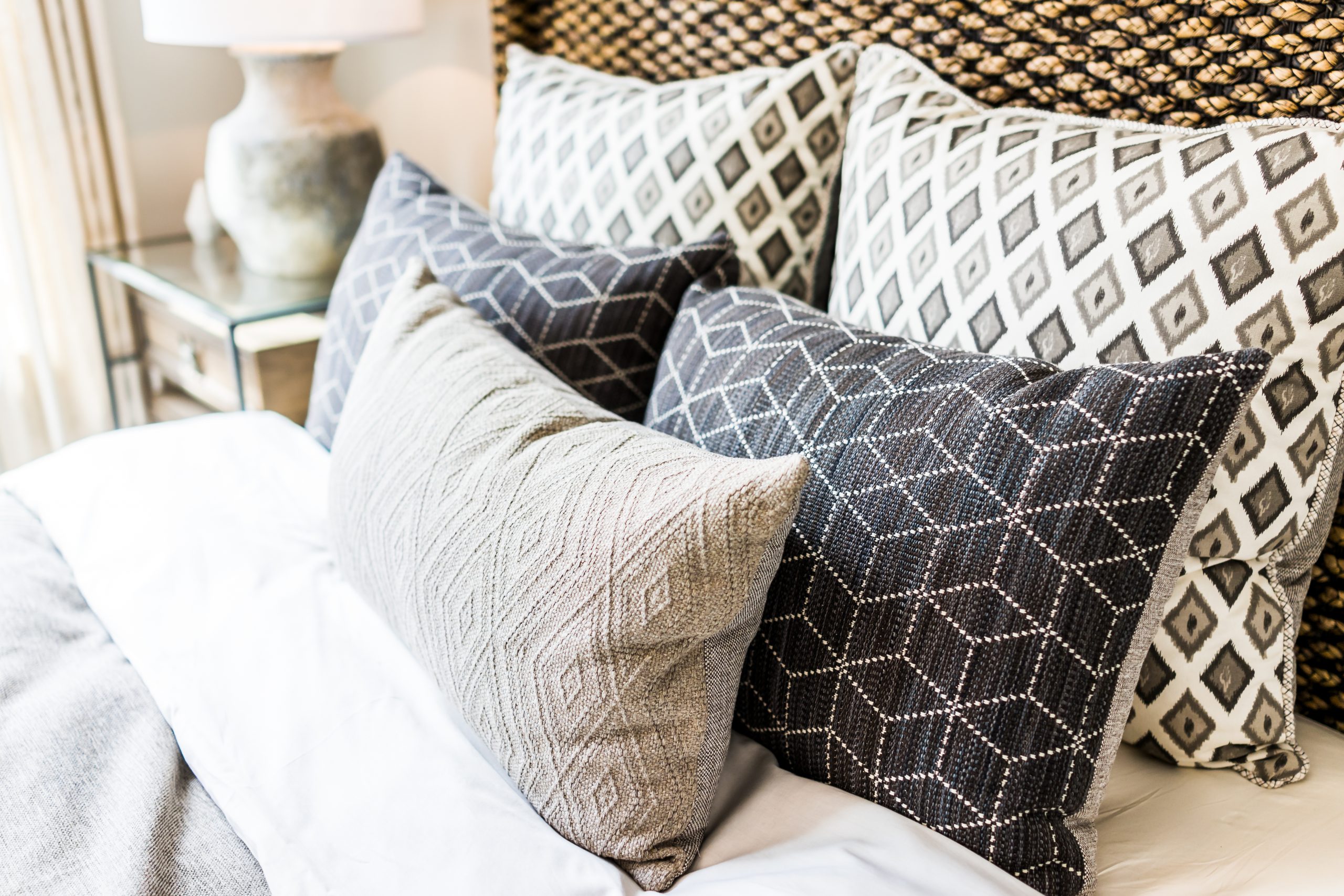
Sustainability and allergies
You can choose greener and cleaner options without losing comfort in cushion vs pillow.
Better material choices:
- Natural latex or wool for long life and low odor.
- Recycled polyester for budget and eco goals.
- Organic cotton covers for fewer chemicals.
Allergy-friendly steps:
- Use washable protectors on pillows and cushions.
- Vacuum fabric surfaces weekly with a brush tool.
- Pick tight-weave covers to block dust.
Transparency matters:
- Look for clear fill labels and test standards.
- Avoid vague terms like premium foam without specs.

Common mistakes and quick fixes
I have made these mistakes. You can skip them.
Mistakes to avoid:
- Using a decorative cushion as a sleep pillow. It lacks neck support.
- Buying very soft seat cushions for heavy use. They sag and hurt posture.
- Keeping a pillow long after it flattens. You wake sore and tired.
- Ignoring cover care labels. Shrinkage ruins fit.
Quick fixes:
- Stack a thin towel under a low pillow to test loft before buying new.
- Add a lumbar cushion to a deep sofa to help short legs touch the floor.
- Use a breathable pillow protector to cut heat and sweat.
- For outdoor cushions, store them dry to prevent mold.
When to replace:
- If you fold a pillow in half and it stays folded, it is done.
- If a seat cushion shows dips that do not rebound, replace the core.
Cost breakdown and value
Price swings a lot in cushion vs pillow. Focus on cost per use, not sticker price.
Where to spend:
- Daily-use seats. Pay for dense foam and strong covers.
- Bed pillows. Invest in support that fits your sleep position.
Where to save:
- Decorative cushions you do not lean on much.
- Extra shams and seasonal covers.
Value tips:
- Try adjustable pillows. They extend life by letting you add or remove fill.
- Buy extra cushion covers to rotate. Less wear, more style options.
One last note on value. A good pillow can improve sleep quality. Better sleep can boost mood and focus. That is worth more than a small price gap.
Frequently Asked Questions of cushion vs pillow
Is a cushion the same as a pillow?
No. A cushion supports sitting areas like sofas and chairs. A pillow supports your head and neck during sleep.
Which is better for back pain: cushion or pillow?
For daytime back pain, use a lumbar cushion on your chair. For morning neck pain, adjust your bed pillow loft to match your sleep position.
How often should I replace them?
Replace pillows every 1 to 3 years, depending on fill. Replace seat cushions every 3 to 7 years, or sooner if they sag.
Can I wash foam cushions or pillows?
Do not machine wash solid foam. Spot clean the foam, and machine wash removable covers if labels allow.
What pillow loft should I choose for side sleeping?
Most side sleepers do best with medium-high loft. The goal is to keep your neck level with your spine.
Are down pillows good for allergies?
Down can work if well cleaned and cased in tight covers. Hypoallergenic alternatives like latex or microfiber are safer for many.
Can outdoor cushions be used indoors?
Yes, but they may feel firm or slick due to protective fabric. They shine on benches and mudrooms that face heavy wear.
Why does my pillow make me hot?
Some foams trap heat. Choose vented foam, latex, or breathable covers like cotton or Tencel to sleep cooler.
Conclusion
Cushion vs pillow comes down to purpose. Cushions support how you sit, and pillows support how you sleep. When both are right, your body stays aligned, and your day runs smoother.
Use the steps here to match loft, density, and materials to your needs. Test, adjust, and care for them well. Small changes can ease pain and improve rest.
Ready to upgrade your comfort? Pick one area to fix today, then share what worked. Subscribe for more simple home comfort guides, or leave a question and I will help you choose.
Leave a Reply