DreamWear nasal cushion seals better for active sleepers; pillows feel lighter and direct airflow.
You want a clear, kind guide on dreamwear nasal cushion vs pillow that cuts the fluff and helps you sleep better. I’ve fit hundreds of CPAP users and tested both styles for weeks. In this deep dive, I’ll compare comfort, leaks, noise, and real-life use cases. If dreamwear nasal cushion vs pillow has you torn, you’ll leave with a confident, well-informed choice.

DreamWear at a glance: how the system works
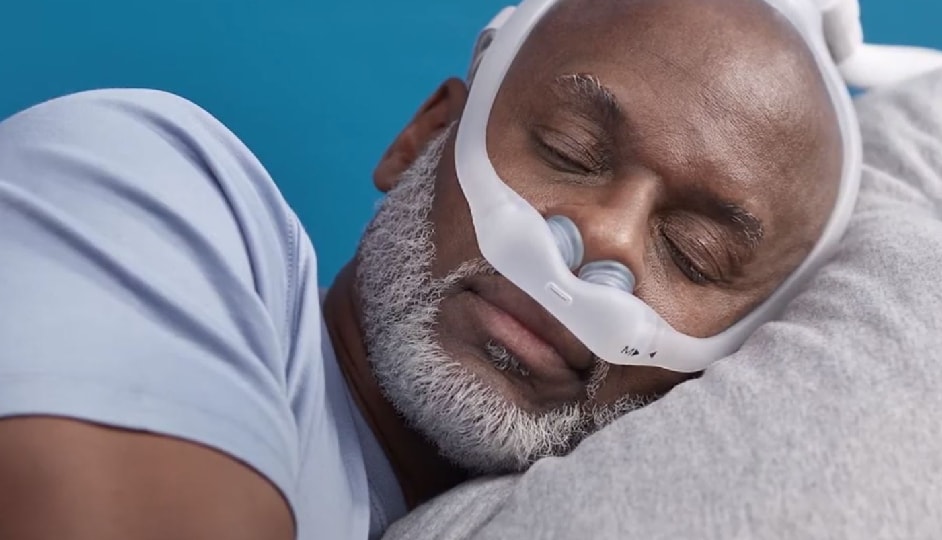
DreamWear is a CPAP mask system with a soft, hollow frame. Air comes in from the top of your head, not your nose bridge. That keeps the front of your face free and reduces tug from the hose. You can choose an under-the-nose cushion or nasal pillows that sit at the nostrils.
The frame and headgear are the same for both styles. You only swap the cushion type. This makes it simple to try both without a full mask change. It is a smart path if you are testing dreamwear nasal cushion vs pillow over a few nights.

DreamWear nasal cushion vs pillow: key differences
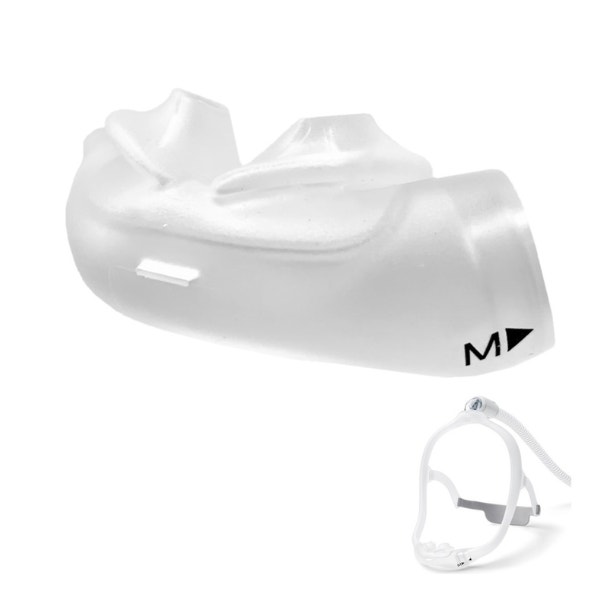
The cushion is a cradle under the nose. It seals around the nostrils but does not go inside them. The pillows are two soft cones that rest at the nostril openings. They give a more direct seal and airflow.
Here is how dreamwear nasal cushion vs pillow compares in daily life:
- Contact feel. Cushion = softer, broader touch under the nose. Pillows = lighter, pinpoint seal at the nostrils.
- Pressure handling. Cushion can flutter at very high pressures. Pillows often stay locked in at 12–20 cmH2O.
- Noise and leak. Cushion is quieter for many, but more angle-sensitive. Pillows can whistle if not sized right.
- Skin comfort. Cushion avoids sore nostrils. Pillows can cause tenderness if too tight.
- Movement. Cushion is better for side-to-side tossers. Pillows are great for back sleepers and steady side sleepers.
When people ask me about dreamwear nasal cushion vs pillow, I start with sleep position, pressure, and nose sensitivity. Those three usually point to the right pick.

Fit and comfort: face shapes, pressure, and sleep positions
Dreamwear nasal cushion vs pillow can feel very different on night one. The cushion hugs the base of your nose. It is gentle for most faces. If you shift a lot, it tends to roll with you quite well.
The pillows feel almost weightless when the size is right. But if your nostrils are narrow or tender, you may feel pressure at first. High pressures can be more comfortable on pillows, since the seal is direct. Side sleepers can use both, but the cushion forgives more movement.
If you breathe through your mouth at night, both styles may need a soft chin strap. In that dreamwear nasal cushion vs pillow case, neither beats a full face mask unless you curb mouth leaks.

Seal, leaks, and noise: real-world performance
A good seal is about three things: correct size, correct angle, and gentle tension. With the cushion, the angle under your nose matters most. Too high and it leaks near the nostrils. Too low and it leaks by the lip.
With pillows, size is the deal-breaker. Too small and they hiss. Too big and they press and cause soreness. In my logs, dreamwear nasal cushion vs pillow leak rates were close when fitted well. The cushion was quieter for light pressures. The pillows held seal better above 12 cmH2O.
Tip I use: fit at your highest pressure, not ramp pressure. That is how dreamwear nasal cushion vs pillow differences show up fast.
Breathing style and therapy settings: who benefits most
Think about how you breathe and your therapy details. If you have nasal congestion often, the cushion may sit better without poking tender tissue. If you need high pressure or use EPR/pressure support, the pillows often feel more stable.
Here is a simple guide for dreamwear nasal cushion vs pillow:
- Choose cushion if you have sensitive nostrils, move a lot, or wear glasses to read.
- Choose pillows if you want the lightest feel, run higher pressures, or like a very direct airflow.
- If you mouth breathe, add a chin strap or try training your tongue posture. If that fails, test a full face.
This way, your dreamwear nasal cushion vs pillow decision follows your body, not hype.

Skin, irritation, and maintenance tips
Nasal skin is delicate. A few small habits prevent most issues. Wash your face before bed. Use only mild soap. Avoid lotions right under the nose.
For the cushion: do a gentle daily wipe to remove skin oils. For pillows: rotate sizes if you feel sore spots. A tiny dab of water-based gel at the nostril edge can help the seal. Track what you change. When I coach users on dreamwear nasal cushion vs pillow, a simple log often reveals the fix.

Sizing, setup, and adjustment steps
You will get a sizing guide with the mask. Use it. Take two minutes to measure and try sizes while sitting up. Do not guess your size by looks.
Steps I use when fitting dreamwear nasal cushion vs pillow:
- Start at your usual therapy pressure, not ramp.
- Place the frame so the top swivel sits at your crown.
- Fit the cushion or pillows gently, then tighten only until leaks stop.
- Lie in your normal sleep pose and do a leak check.
- Adjust strap tension one notch at a time. Less is more.
If you wake with marks or soreness, loosen first. Then consider a different size. That solves most dreamwear nasal cushion vs pillow comfort issues.
Cost, insurance, and replacement schedule
Most insurance plans treat the cushion and pillows as replaceable parts. Many cover two replacement cushions or pillows per month. Headgear is often twice per year. The frame and short tubing are often every three months.
If you test dreamwear nasal cushion vs pillow, ask for a fit pack. It often includes multiple sizes. That can save time and money. Keep receipts and track replacement dates to protect your seal and skin.

My hands-on take: what I tell patients and friends
After hundreds of fits, my rule is simple. Let your pressure and nose choose for you. If your pressure is high or you love a weightless feel, start with pillows. If you move a lot or hate nostril contact, start with the cushion.
When people compare dreamwear nasal cushion vs pillow, success comes from small tweaks. Size up or down once. Fit at full pressure. Clean daily. Most users find their match within three nights. If not, switch styles. Comfort is king, and both can deliver quiet, steady sleep.
Frequently Asked Questions of dreamwear nasal cushion vs pillow
Which is better for high pressure: cushion or pillows?
Nasal pillows often hold seal better at higher pressures due to direct airflow. The cushion can work too, but may need more careful strap tuning.
Will nasal pillows hurt my nostrils?
They should not if sized right and not over-tightened. If you feel soreness, go up one size or loosen the headgear slightly.
Is the DreamWear cushion quieter than the pillows?
Many users find the cushion a bit quieter at low to medium pressures. At high pressures, pillows can be just as quiet when sized well.
What if I mouth breathe with either option?
Try a soft chin strap and practice tongue-up posture. If leaks persist, a full face mask may be a better match.
Can I wear glasses with DreamWear?
Yes. The frame sits under the nose and keeps the bridge clear. The cushion is often easier for reading or screen time before sleep.
How do I stop leaks when I sleep on my side?
Fit the mask while lying on your side at full pressure. Use a CPAP-friendly pillow with a cutout, and avoid over-tightening straps.
How often should I replace my cushion or pillows?
Many plans allow two replacements per month. Replace sooner if you see yellowing, feel tackiness, or notice rising leak rates.
Conclusion
Your best mask is the one you forget you are wearing. In the dreamwear nasal cushion vs pillow choice, match the style to your pressure, sleep position, and nose comfort. Start with a proper size, fit at full pressure, and make small, calm tweaks for three nights.
Take action tonight. Pick one style based on the guide above and test it with care. If it misses the mark, switch and compare. Share your experience, ask questions, or subscribe for more practical CPAP tips.
Leave a Reply