Foam gives steady contouring support, while feathers feel soft and airy for floaty comfort.
If you are torn between foam vs feather pillows, you are not alone. I test pillows for fit, firmness, and heat each season, and this guide distills those lessons into plain advice. We will compare build, support, airflow, care, allergies, and real-life comfort so you can pick the right match. By the end, foam vs feather pillows will feel simple, not stressful.
What makes foam vs feather pillows different?
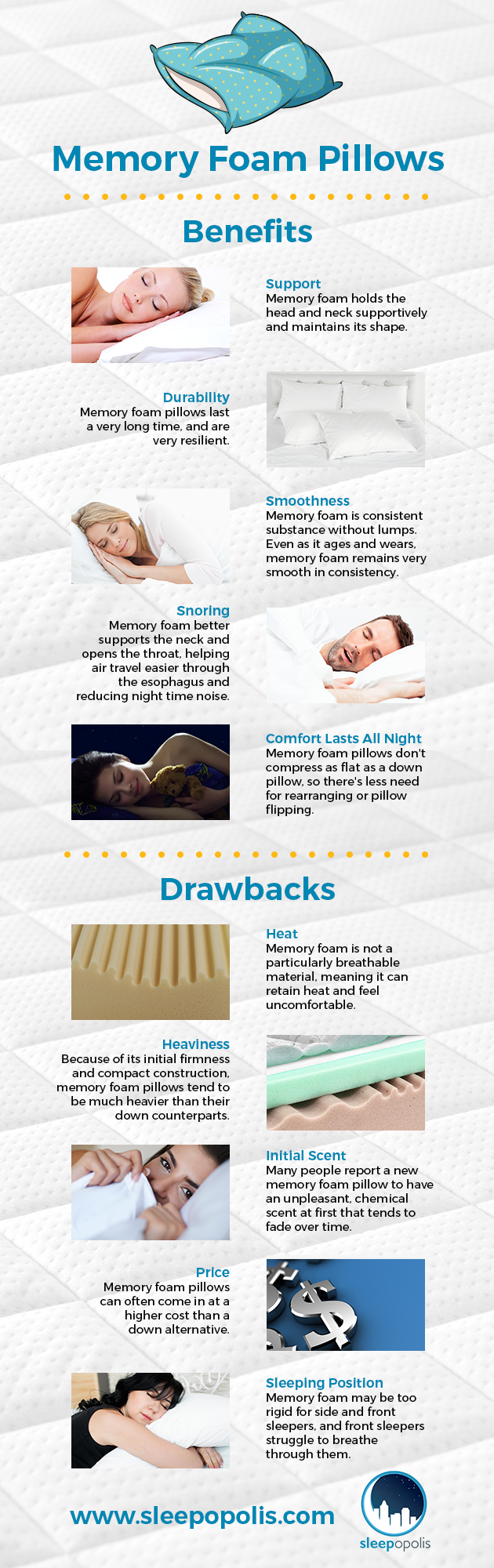
Both aim to cradle your head and neck, but they do it in different ways. Foam holds shape and offers even support. Feathers compress and spread, giving a soft, cloud-like feel. Think of foam as a gentle mold and feathers as a hug you can squish.
When people ask me about foam vs feather pillows, I start with needs. Do you want stable height through the night? Foam shines. Do you want a plush, nest-like pillow you can scrunch and shape? Feathers win that lane.
What are foam pillows?
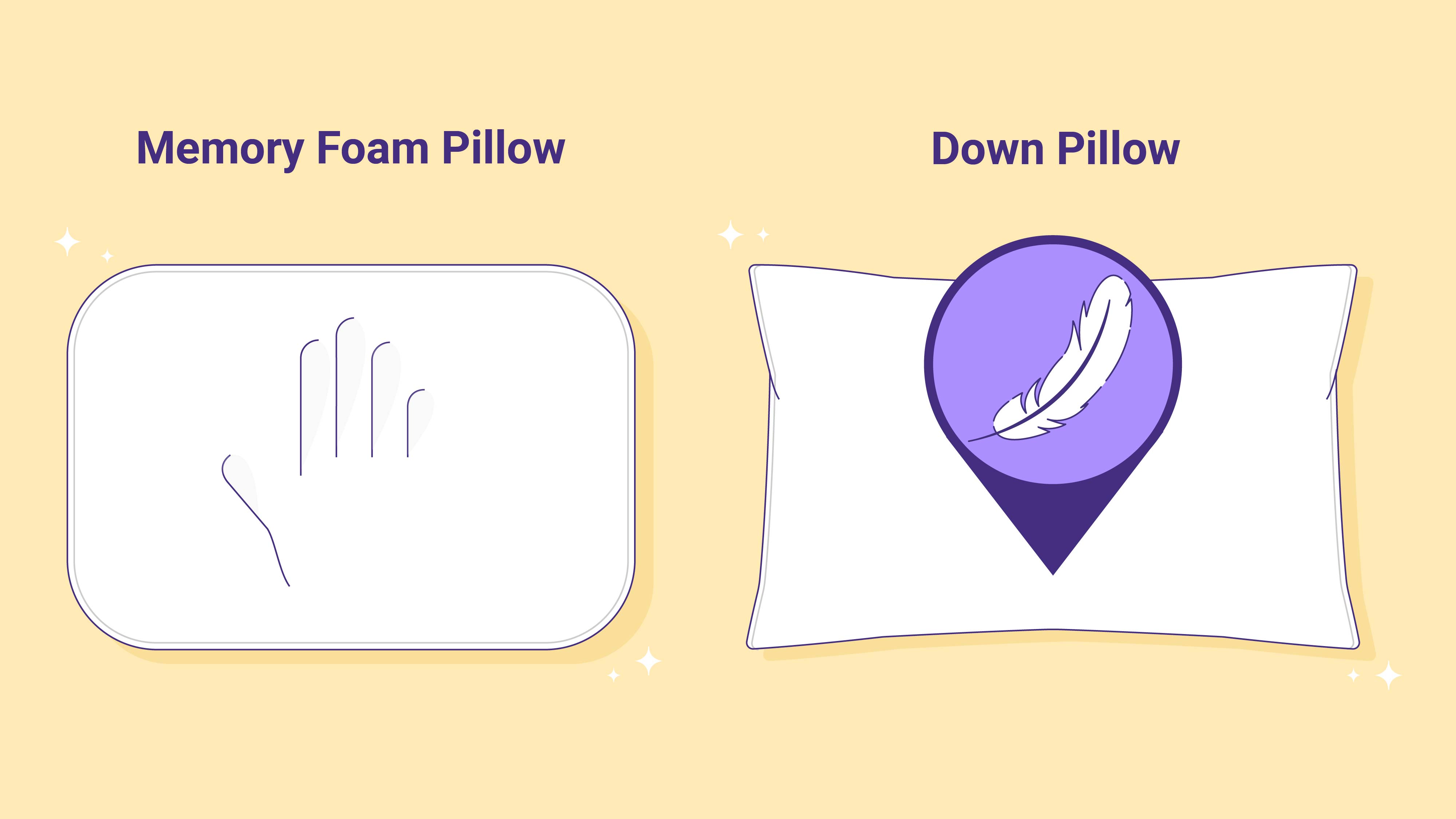
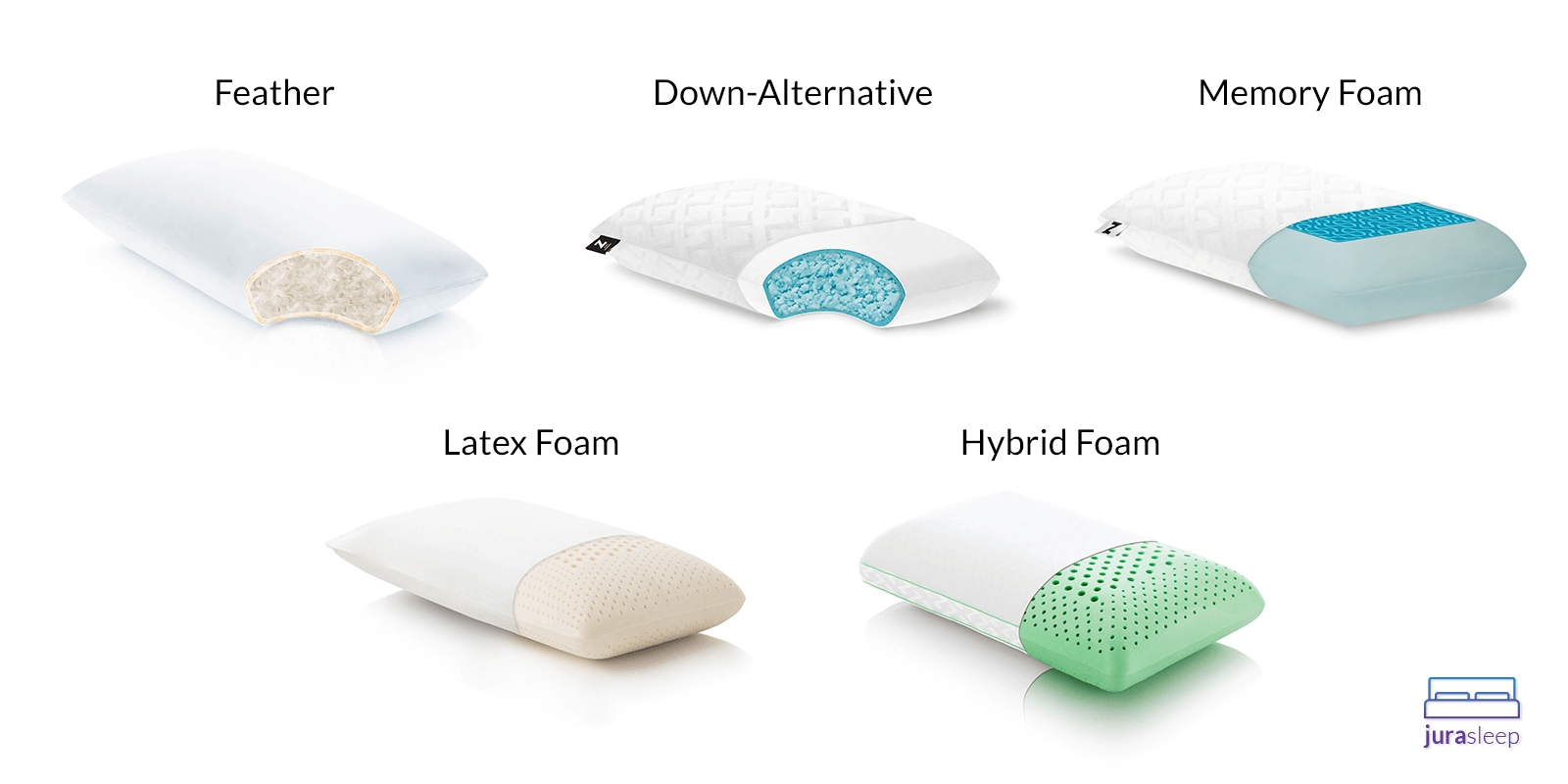
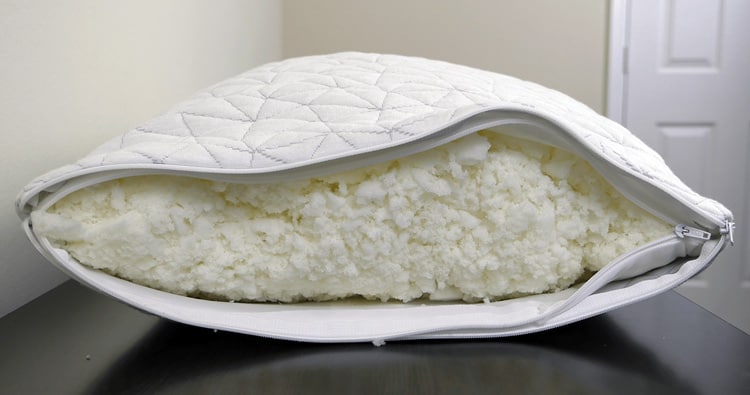
Foam pillows use materials like memory foam or shredded foam. Solid memory foam contours to your head and neck. It resists collapse and can reduce pressure on sore spots. Shredded foam is lighter, more breathable, and easier to shape.
You may also see ventilated foam with holes that boost airflow. Density affects feel. Higher density adds support and slows sink. Lower density feels softer but can break down sooner. For many side sleepers, a medium-firm foam with a 4–5 inch loft works well.

What are feather pillows?
Feather pillows use quill feathers, often blended with down. Down is the soft cluster under the feather. More down means loftier and lighter. Fill power measures fluff and resilience; higher numbers hold loft better.
Feather pillows compress easily and spread under weight. This gives that classic hotel plush feel. But they can need more fluffing to keep height even through the night. A good cotton shell helps stop poking quills and reduces feather escape.
Foam vs feather pillows: key differences that affect sleep
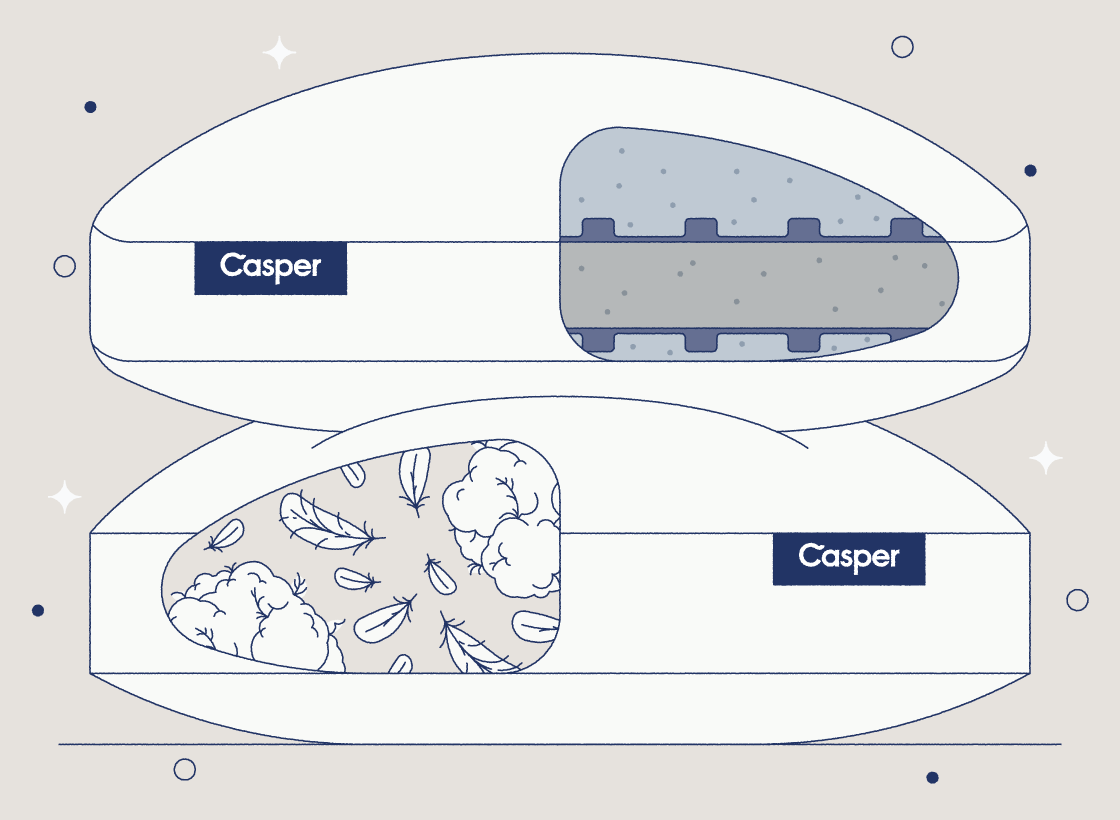
- Support and pressure relief. Foam cradles the curve of your neck and keeps height more stable. Feather fills gaps but compresses more under weight.
- Loft and shape. Foam keeps its profile. Feathers shape by hand and can shift during sleep.
- Temperature and airflow. Shredded or ventilated foam sleeps cooler than solid blocks. Feathers allow air to move but can trap warmth under heavy loft.
- Motion and noise. Foam is quiet and steady. Feathers can rustle and need quick fluffs.
- Odor and off‑gassing. New foam may off‑gas at first. Feathers can have a natural, mild scent.
- Allergies and hygiene. Quality foam is often hypoallergenic and dust‑mite resistant. Washed, high-grade feather and down reduce allergens but are not ideal for severe allergies.
- Durability. Good foam keeps shape for years. Feathers last long but can flatten and leak without proper shells.
- Care. Foam is spot-clean only. Feathers can be washed on gentle and dried fully to restore loft.
When shoppers compare foam vs feather pillows, these traits shape comfort, heat, and long-term value.

Pros and cons at a glance
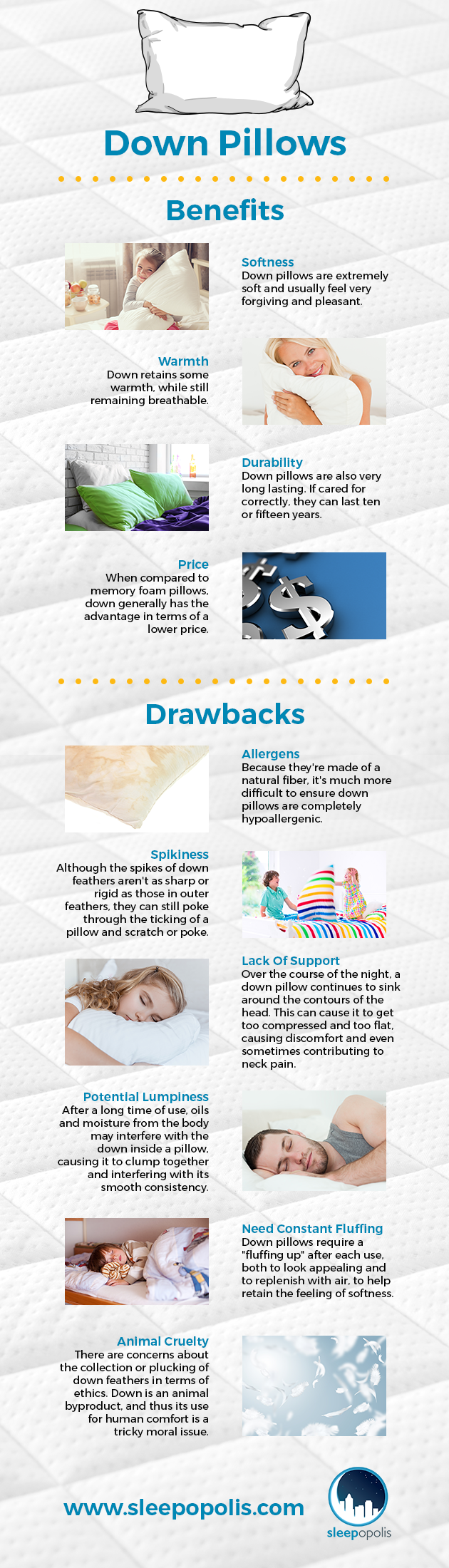
Foam pros
- Reliable support for neck and shoulder alignment
- Good pressure relief for side and back sleepers
- Low maintenance and less nightly fluffing
Foam cons
- Can sleep warm if solid and not ventilated
- Initial off‑gassing for some brands
- Less squishable if you like a soft nest
Feather pros
- Soft, plush, and easy to shape under your cheek
- Breathable and light with a cozy feel
- Often the classic “hotel” sensation
Feather cons
- Needs regular fluffing to keep height
- Possible quill poke or slow feather loss
- Not ideal for severe allergy sufferers
These quick lists make foam vs feather pillows easier to judge at a glance.
Who should choose what
- Side sleepers. Foam helps keep your neck aligned and can cut shoulder pressure. A medium to high loft foam works well.
- Back sleepers. Many do well with foam at medium height. If you like a softer cradle, a medium-density feather blend can work.
- Stomach sleepers. Choose a soft, low-loft pillow. A soft feather with less fill or a thin shredded foam can help keep your neck neutral.
- Neck or shoulder pain. Foam offers steady support and can reduce morning stiffness. Look for a medium-firm feel and a profile that matches your shoulder width.
- Hot sleepers. Shredded or ventilated foam improves airflow. A light feather pillow also feels breezy if fill is not too dense.
- Toss-and-turn sleepers. Shredded foam or a feather pillow you can reshape may suit your style.
When I match clients, I frame foam vs feather pillows around neck height, shoulder width, and preferred feel. That simple check gets it right most of the time.
Care, cleaning, and lifespan
Foam
- Use a washable, zippered pillow protector.
- Spot clean only. Air out monthly in a dry place.
- Expect 2–4 years of steady support with quality foam.
- Replace if it stays flat, cracked, or smells.
Feather
- Use a down-proof protector to prevent leaks.
- Fluff every morning. Tumble dry on low with clean balls to refresh loft.
- Wash on gentle and dry fully to avoid clumps.
- Expect 2–5 years, longer with high fill power and care.
Strong care habits keep foam vs feather pillows fresher and more supportive over time.
Allergy, hygiene, and sustainability
Foam often resists dust mites better than natural fills. A tight-weave protector helps a lot. For sensitive noses, pick certified low-emission foam and let it air out for a day before use.
Feather and down have allergens if not well washed. High-quality, well-cleaned fills reduce risk. Look for tight shells and regular washing. If ethics matter, seek responsibly sourced down. If you want vegan options, foam or plant-based fills are better.
From a sustainability view, long-lasting products reduce waste. Choose foam with clean certifications and down from audited supply chains. That keeps your pick both comfy and mindful.

Price and value
Foam pillows range from budget to premium. Solid memory foam with good density costs more but lasts longer. Shredded foam is often mid-priced and very adjustable.
Feather pricing depends on the down ratio and fill power. Higher fill power costs more but holds loft better. For most people, value sits where comfort, support, and lifespan meet. In foam vs feather pillows, the best buy is the one you do not have to replace soon.
How to test in-store and online
In-store
- Lie down on your side, back, and stomach for at least 3–5 minutes each.
- Check that your nose points straight up on your back and your neck is level on your side.
- Notice heat build-up and any pressure near the ear or jaw.
Online
- Choose brands with 30–100 night trials.
- Read specs: loft, density, fill power, and cover fabric.
- Keep the shipping bag until you are sure. If your neck aches after three nights, try a different loft or return.
Use the same checklist for foam vs feather pillows. The right test beats guesswork.
My hands-on take after years of testing
With sore-neck clients, foam solves more cases, fast. One side sleeper moved from a saggy feather to a medium-firm foam and her morning headaches stopped in a week. The steady height did the trick.
But I have hotel lovers who only relax on feathers. For them, I use a high fill power feather with a strong protector. We add a thin foam travel pillow for long flights. Comfort is personal. That is why foam vs feather pillows is not a battle. It is a fit.
Frequently Asked Questions of foam vs feather pillows
Which is better for neck pain?
Foam often works better because it keeps height stable and cradles the curve of your neck. Look for medium-firm and the right loft for your shoulder width.
Do feather pillows trigger allergies?
They can if the fill is not well washed or the shell leaks. Choose high-quality washed down and a tight protector, or pick foam if your allergies are severe.
Do foam pillows sleep hot?
Solid foam can trap heat, but ventilated or shredded foam runs cooler. Use a breathable cotton cover and consider phase-change fabrics if you run hot.
How long do these pillows last?
Quality foam lasts about 2–4 years, sometimes longer. Feather pillows can last 2–5 years, and high fill power down can go even further with good care.
Are hotel pillows mostly feather?
Many luxury hotels use feather or feather-down blends for that plush feel. Some mix in foam or use different pillows to suit more guests.
Can I wash my pillow?
Foam is spot-clean only and should be air dried. Many feather pillows can be machine washed on gentle and dried fully to restore loft.
What loft should I choose?
Side sleepers often need medium to high loft. Back sleepers do well with medium loft, and stomach sleepers need low loft to keep the neck neutral.
Conclusion
Foam vs feather pillows boils down to feel and fit. Foam gives steady support and easy alignment. Feathers bring a soft, shapeable hug that many people love. Match loft to your sleep position, protect your pillow, and test it for several nights before you decide.
Pick the path that fits your neck, not the trend. Try the tips above this week, note your morning comfort, and adjust. Want more sleep gear guides and honest tests? Subscribe and drop your questions in the comments—let’s find your perfect pillow together.
Leave a Reply