King pillows are longer for wide beds; queen pillows fit most sleepers and frames.
If you are torn on king pillow vs queen pillow, you’re in the right place. I help shoppers match pillows to sleep style, bed size, and body shape. In this guide, I break down king pillow vs queen pillow with clear sizes, real-life use cases, and pro tips from testing both in homes and hotels. You’ll learn what actually affects comfort, support, and value so you can choose with confidence.

King vs queen pillow sizes and what they mean
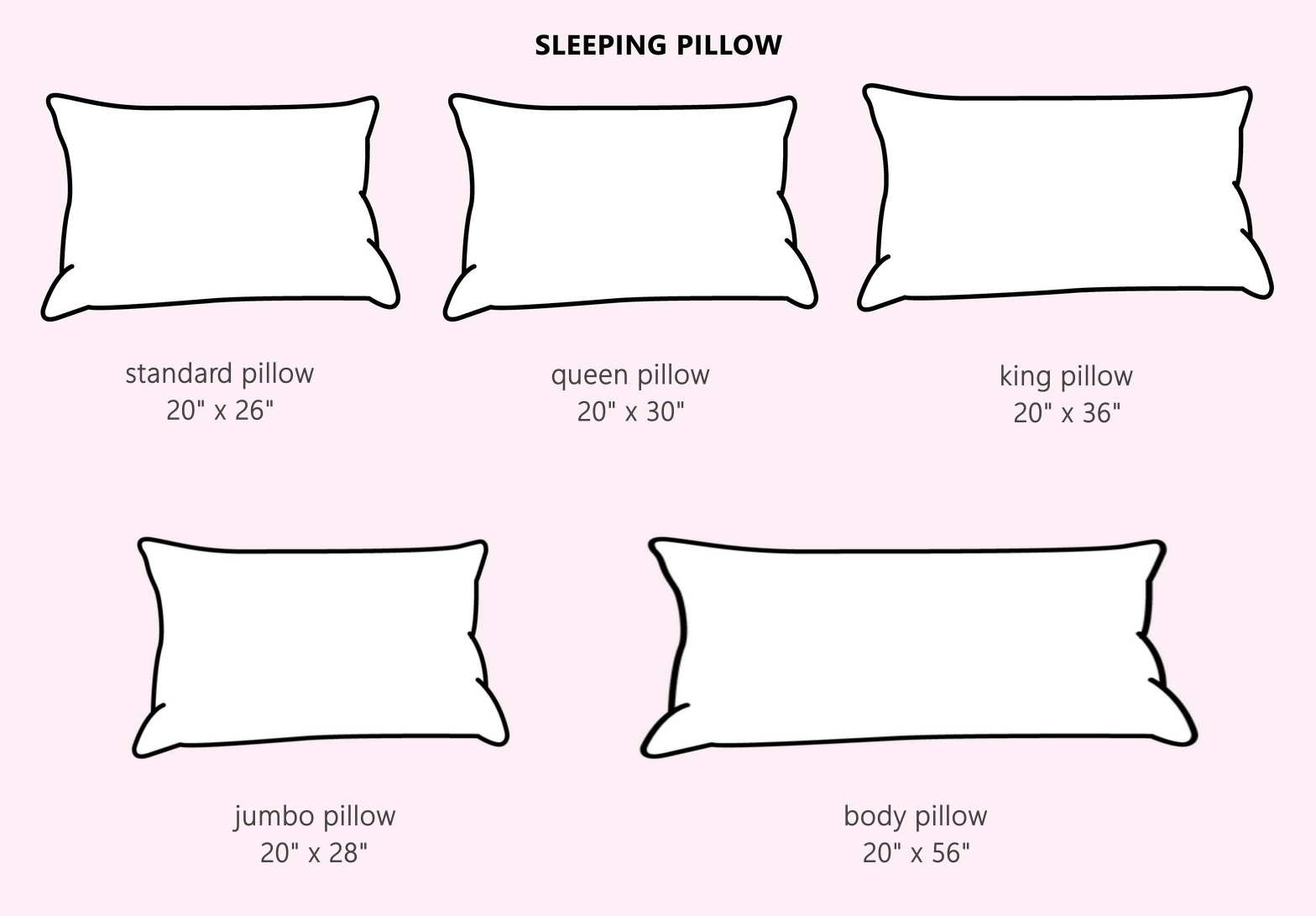
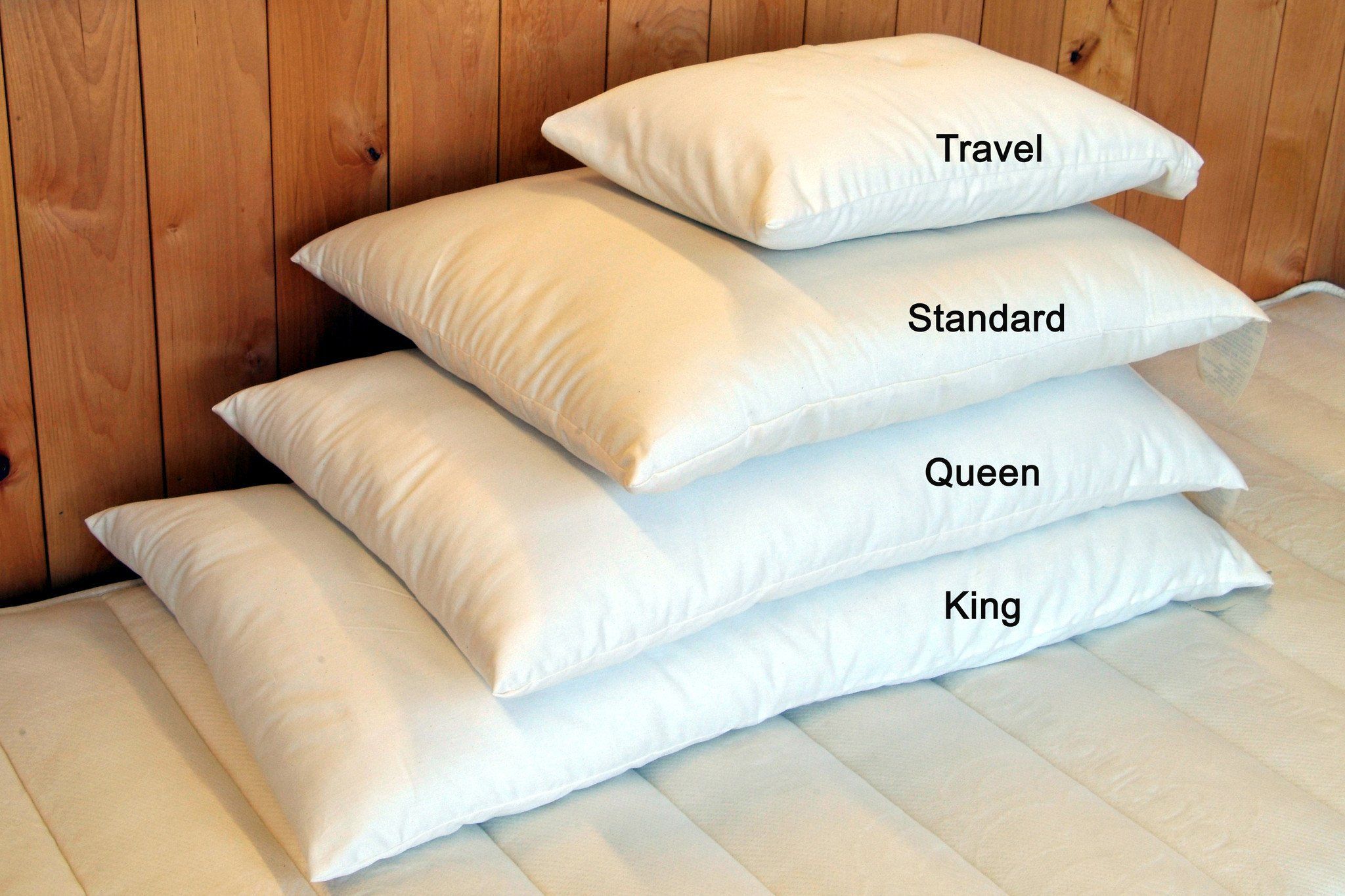
Pillow size is simple. The difference is length, not height. Most brands keep the same width and loft.
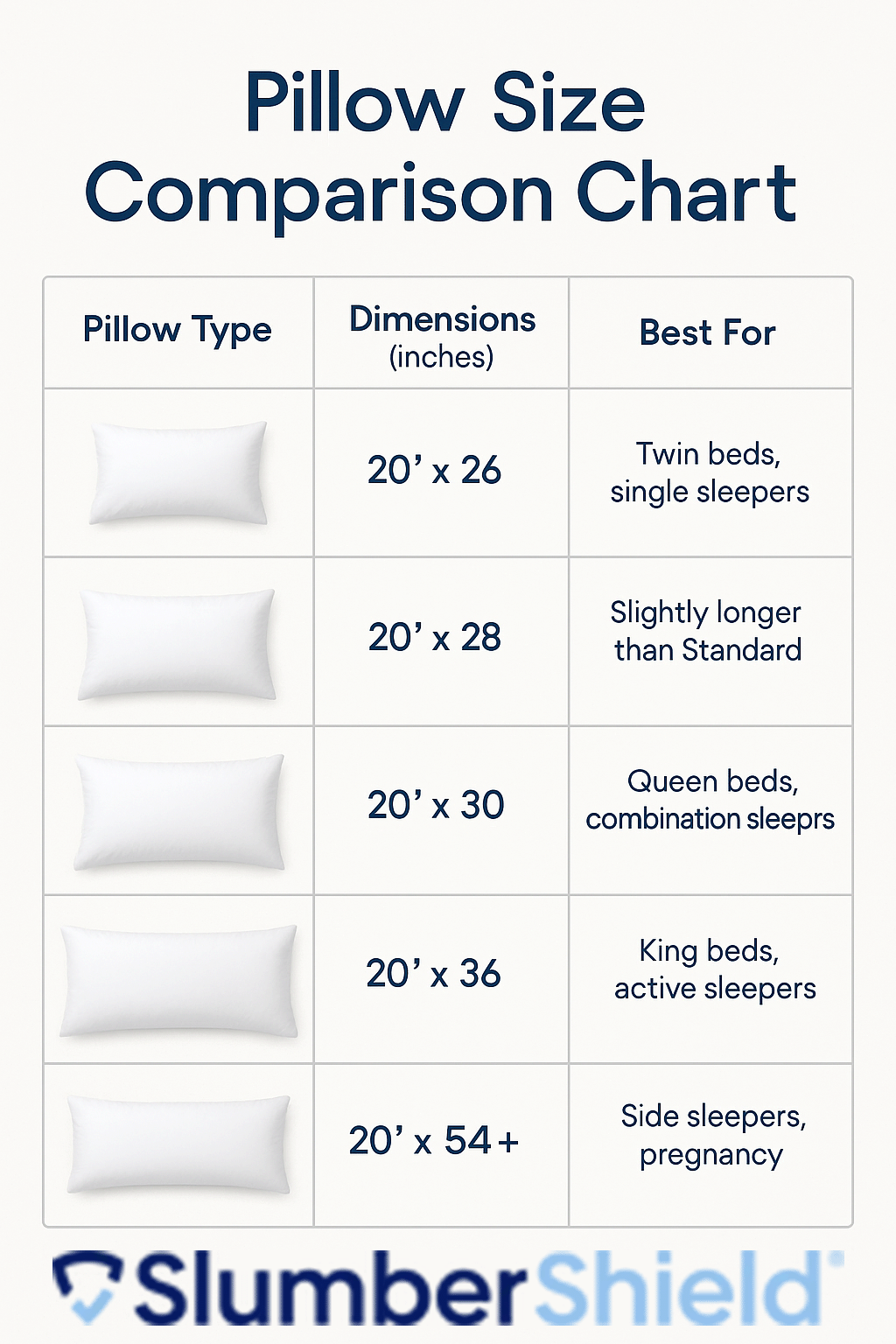
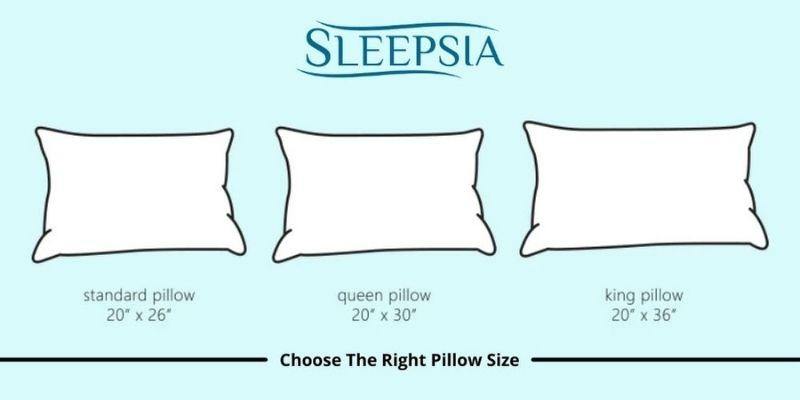
- Queen pillow: about 20 x 30 inches
- King pillow: about 20 x 36 inches
- Standard pillow (for context): about 20 x 26 inches
Expect small size shifts by brand. A change of up to 1 inch is common. Cases follow the same idea: queen cases fit queen pillows; king cases fit king pillows.
How many pillows per bed looks best?
- Twin or Twin XL: one standard or one queen
- Full: two standard or two queen
- Queen bed: two queen pillows look clean and centered
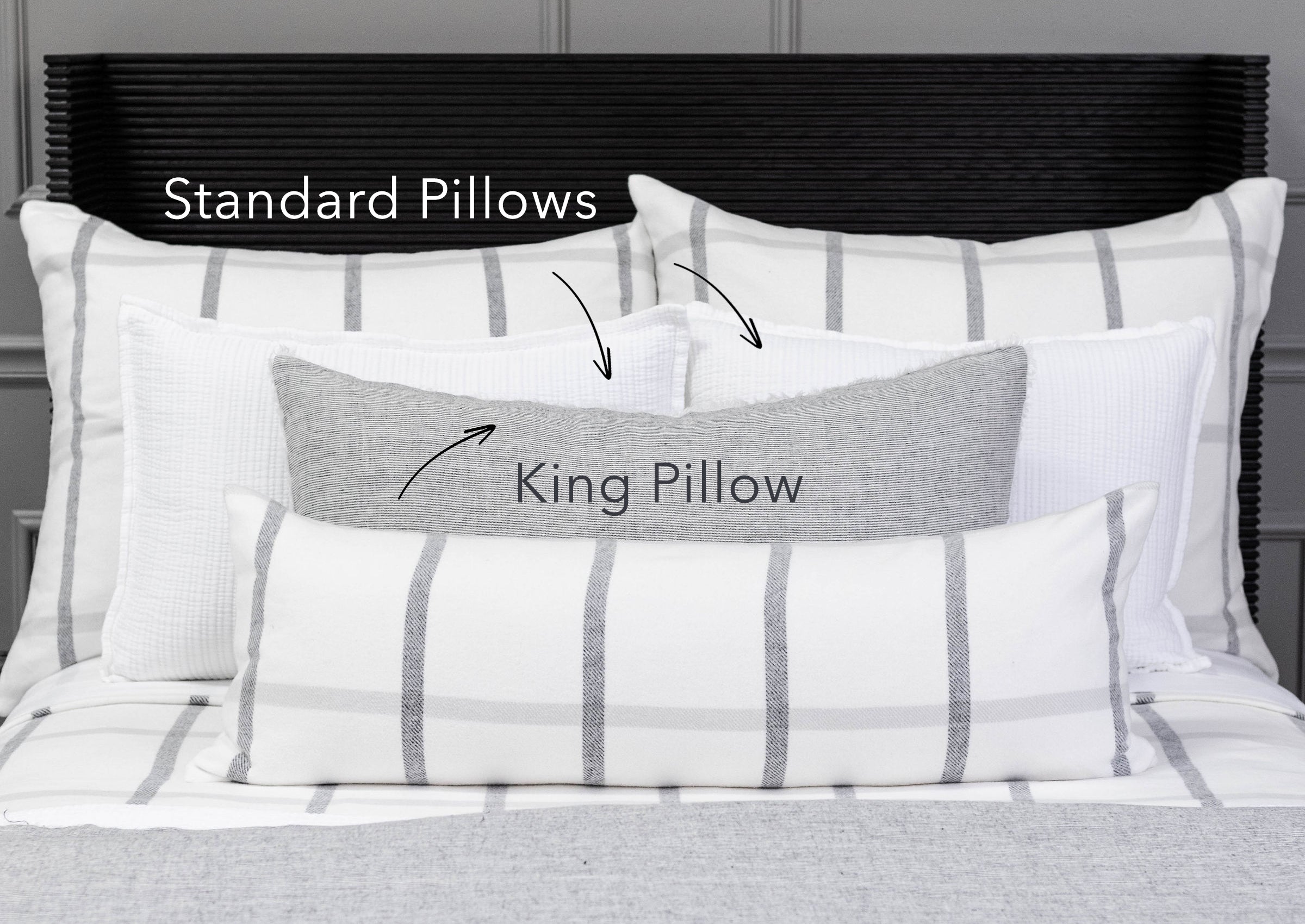
- King or California King: two king pillows fill the width edge to edge
If you care about neat lines, match pillow size to bed width. For performance, think beyond size. Your sleep position and shoulder width matter more than the label when choosing king pillow vs queen pillow.
Sleep positions and body types: which size supports you best?
When we compare king pillow vs queen pillow, the sleep position sets the rules. Longer does not always mean better support. Neck height and shoulder space decide comfort.
- Side sleepers: You need a higher loft to fill the gap between ear and shoulder. Queen pillows keep loft dense under the neck. A king can work if it keeps its height. Large shoulders or toss-and-turn habits may like the extra length of a king.
- Back sleepers: Aim for a medium loft to keep your head level. Queen pillows are easy to center under the neck. A king helps if you roll side to side at night and want support without chasing your pillow.
- Stomach sleepers: Go low loft. Queen size is easier to flatten and keeps your neck neutral. A king can feel bulky unless the fill is very soft.
- Broad shoulders or larger bodies: Extra length helps you stay supported when you shift. A king can reduce the need to readjust.
- Petite frames: A queen size often feels more precise and easier to shape.
From my testing with clients, many side sleepers felt better neck alignment on a queen, unless they used a firmer king pillow that held its height. That is a key point in the king pillow vs queen pillow choice.

Fit with your bed: comfort, look, and space to move
The bed width sets the stage. The pillow should fit the frame and leave room for decor or a partner.
- Queen bed: Two queen pillows fit with a small gap for shams or throws. Two kings can crowd the headboard and push into each other.
- King or California King bed: Two king pillows cover the width and look balanced. This setup helps couples who move a lot.
- Small rooms or minimal setups: Queen pillows save space and still look neat.
- Reading in bed: King pillows give more side-to-side support behind your back.
If you love a hotel look, match bed size to pillow size. For flexible styling, queen is easier to mix with shams and accent pillows. This style point can settle many king pillow vs queen pillow debates.
Support, alignment, and pain relief
Comfort comes from neutral alignment, not only from size. The right pillow keeps your ears, shoulders, and hips in one line.
- A pillow that is too high tilts your head up and strains the neck.
- A pillow that is too low lets your head sink and pinches nerves.
- Shoulder width, mattress firmness, and pillow loft work together.
Here is what I see in real homes:
- Queen pillows hold their loft more densely under the neck. This helps back and stomach sleepers.
- King pillows shine for broad shoulders and combo sleepers who roll side to side. The extra length keeps you on support as you shift.
- If a king pillow is overstuffed, it can push your head forward when you sleep on your back.
Ergonomic research on sleep posture backs this up: neutral spine reduces pain and morning stiffness. Keep that frame in mind when choosing king pillow vs queen pillow.
Materials, loft, and firmness: how size changes feel
Pillow fill changes how size behaves. The same fill can feel different in a queen vs a king cover.
- Solid memory foam: Holds shape well in both sizes. Great for back or side support. Check contour models for neck curves.
- Shredded memory foam: Adjustable loft. A king might spread thinner unless you add fill.
- Latex foam: Springy and cool. Keeps height across the longer king size, which helps side sleepers.
- Down and down-alternative: Soft, moldable, and cozy. A queen often feels fuller; a king may need extra fill to keep loft.
- Hybrid fills: Mix foams and fibers for balance. Look for gussets that keep edges from collapsing.
Simple rule: the longer the pillow, the more likely the fill spreads out. If you pick a king, choose a fill that resists flattening or comes with extra fill. This detail matters a lot in the king pillow vs queen pillow choice.

Care, durability, and cost
Size affects upkeep, cases, and price. Plan for care before you buy.
- Price: Queens usually cost less. Kings can cost more due to extra material.
- Cases and protectors: Queen-sized options are easier to find in stores. King cases can be limited in certain colors or fabrics.
- Washing: Check the tag. Down and many foams need gentle care. Use a protector to block sweat and oils.
- Longevity: Pillows last longer when the loft matches your weight and sleep style. Overflattened king pillows wear faster at the center.
If you sweat at night or have allergies, get a breathable protector. This small step extends life and keeps the fill clean, whether you pick king pillow vs queen pillow.

Use cases: couples, kids, guests, and travel
Real life is messy. Choose what fits your routine, not only the bed size.
- Couples: Two king pillows reduce pillow fights for space. Two queen pillows give more room for decor and a cleaner line on a queen bed.
- Kids and teens: Queen pillows are easier to handle and wash. They fit twin and full beds better.
- Guests: Queen size is the safe default. It suits most sleepers and cases are easy to stock.
- Travel or couch naps: Queen pillows are lighter and simpler to move around.
- Reading and TV time: King pillows support your back and arms across the width.
These scenarios often settle king pillow vs queen pillow faster than specs on a box.
Buying checklist and quick decision flow
Use this simple path to pick your winner for king pillow vs queen pillow.
- Match bed size: Queen bed with two pillows? Choose queen. King bed? Choose king.
- Check sleep position: Side and broad shoulders may like king if loft holds. Back or stomach often prefer queen.
- Pick fill for loft: Foam or latex for height on king. Down or soft blends feel denser on queen.
- Consider style: Do you want a hotel look with edge-to-edge width? Go king on king beds.
- Plan care: Make sure you can find cases and protectors you like in your size.
Fast decision flow:
- Do you sleep on a king bed and toss and turn? Choose king.
- Do you sleep on a queen or smaller bed, or on your stomach? Choose queen.
- Need the loft to stay firm all night? Choose foam or latex, and pick the size that keeps height under your neck.
Common mistakes and how to fix them
Picking size without loft in mind
- Fix: Choose fill that keeps height under your neck. Test by lying on your side and checking if your nose points straight up.
Using king pillows on a queen bed with tight headboard space
- Fix: Switch to queen pillows or use slimmer protectors to reduce bulk.
Assuming king is always more supportive
- Fix: Support equals loft and firmness. If you want a king, pick a fill that resists flattening.
Buying the wrong pillowcases
- Fix: Use the right case size. Overlarge cases let the pillow shift and feel flat.
Keeping a pillow past its lifespan
- Fix: Replace when you fold it and it does not bounce back, or when you wake with neck pain that eases by midday.
Frequently Asked Questions of king pillow vs queen pillow
What is the exact size difference?
A queen pillow is about 20 x 30 inches. A king pillow is about 20 x 36 inches, so it is longer by six inches.
Can I use king pillows on a queen bed?
You can, but it may look crowded and push into the headboard. Many people prefer two queen pillows on a queen bed for a clean fit.
Which is better for side sleepers?
Both work if loft is right. A king helps if you roll a lot, while a queen often keeps loft denser under the neck.
Do king pillows need special cases and protectors?
Yes, you need king-sized cases and protectors. Queen cases will not fit properly and can compress the fill.
Are king pillows more expensive than queen pillows?
Usually yes, due to extra material. The price gap is small, but cases and protectors for king size can also cost more.
Which is better for neck pain?
The best pillow is the one with the right loft and firmness. Many people with neck pain do better on a supportive queen, unless a firm king holds its height.
Will a king pillow make my bed look more like a hotel?
On king beds, yes. Two king pillows fill the width and give that edge-to-edge look.
Conclusion
Choosing between king pillow vs queen pillow comes down to fit and support. Queen pillows work for most sleepers and beds. King pillows shine on wider beds and for people who move a lot or need more space.
Try this today: note your bed size, sleep position, and the loft that keeps your head level. Match those needs to your fill and size, and the king pillow vs queen pillow decision will feel easy. If you found this helpful, share it with a friend, subscribe for more sleep tips, or leave a comment with your top pillow questions.
Leave a Reply