King pillows offer extra width and spread; standard pillows save money and space.
Choosing between a king vs standard pillow comes down to fit, comfort, and how you sleep. I’ve tested both for years across different beds, cases, and sleep styles. In this guide, I’ll break down king vs standard pillow sizing, support, pros and cons, and real-life use so you can pick the right match for your night routine.

What Size Differences Really Mean
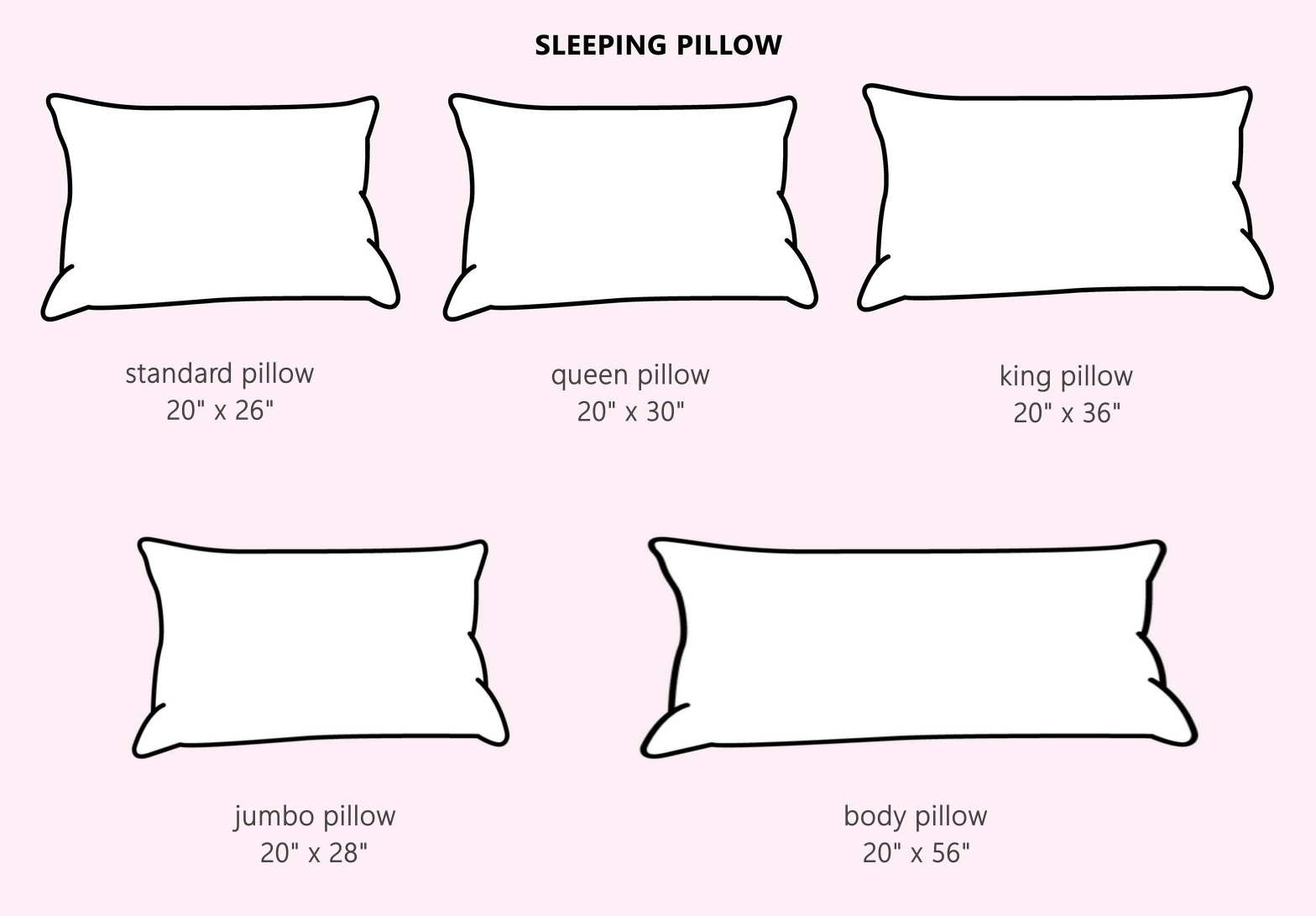
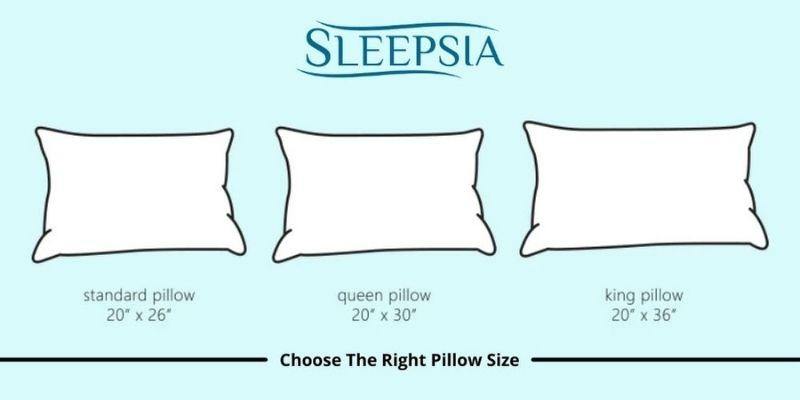
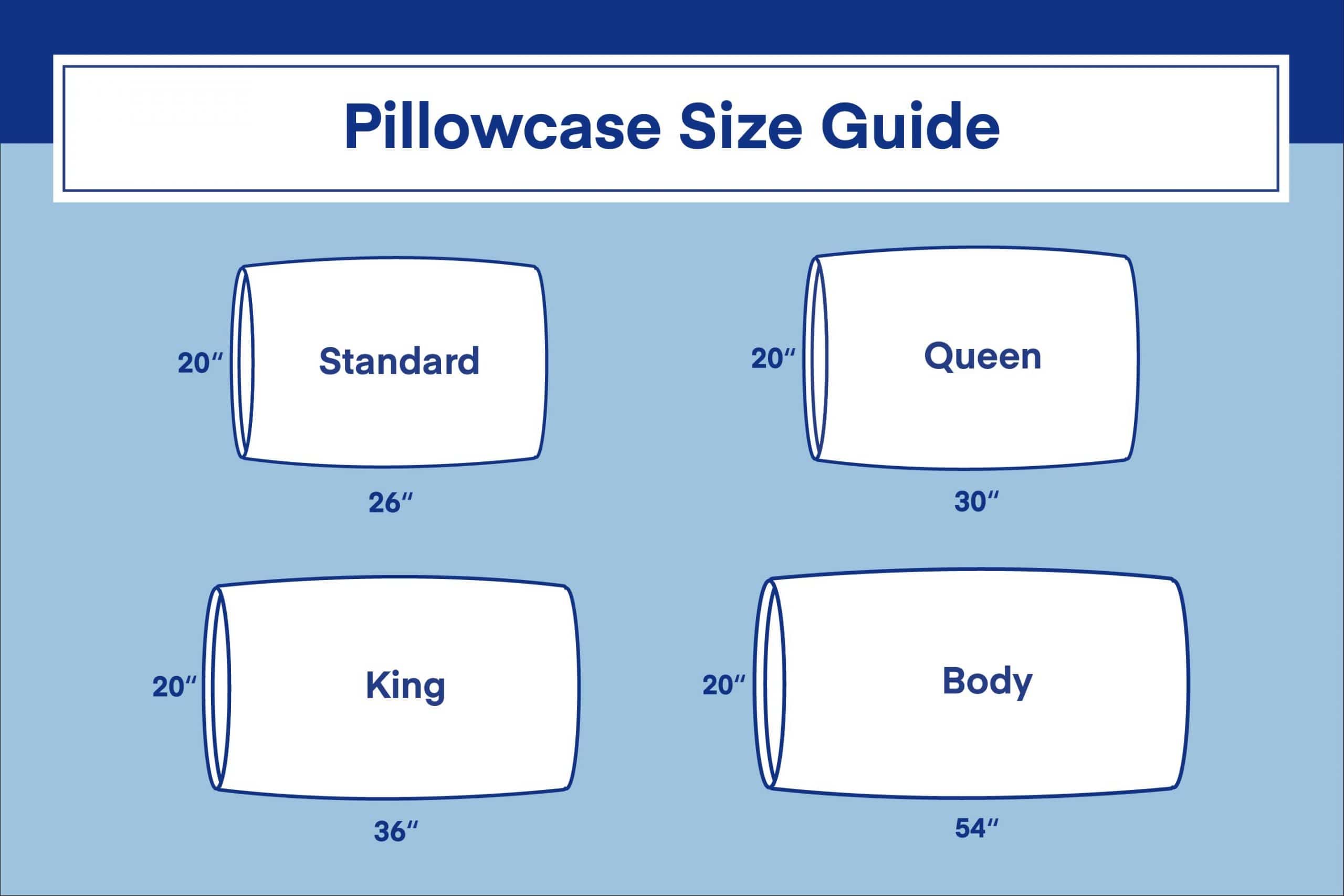
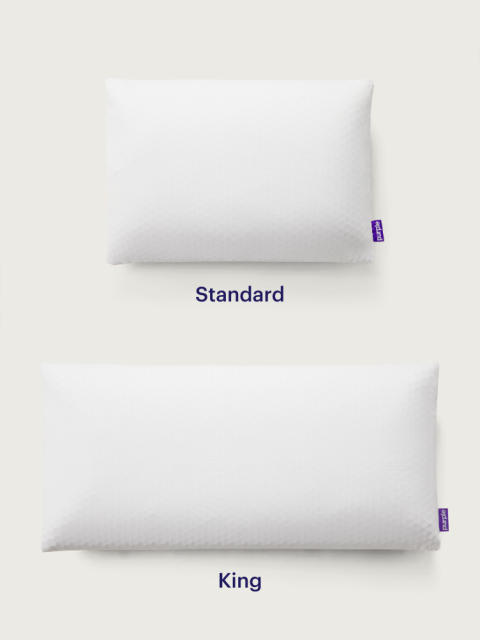
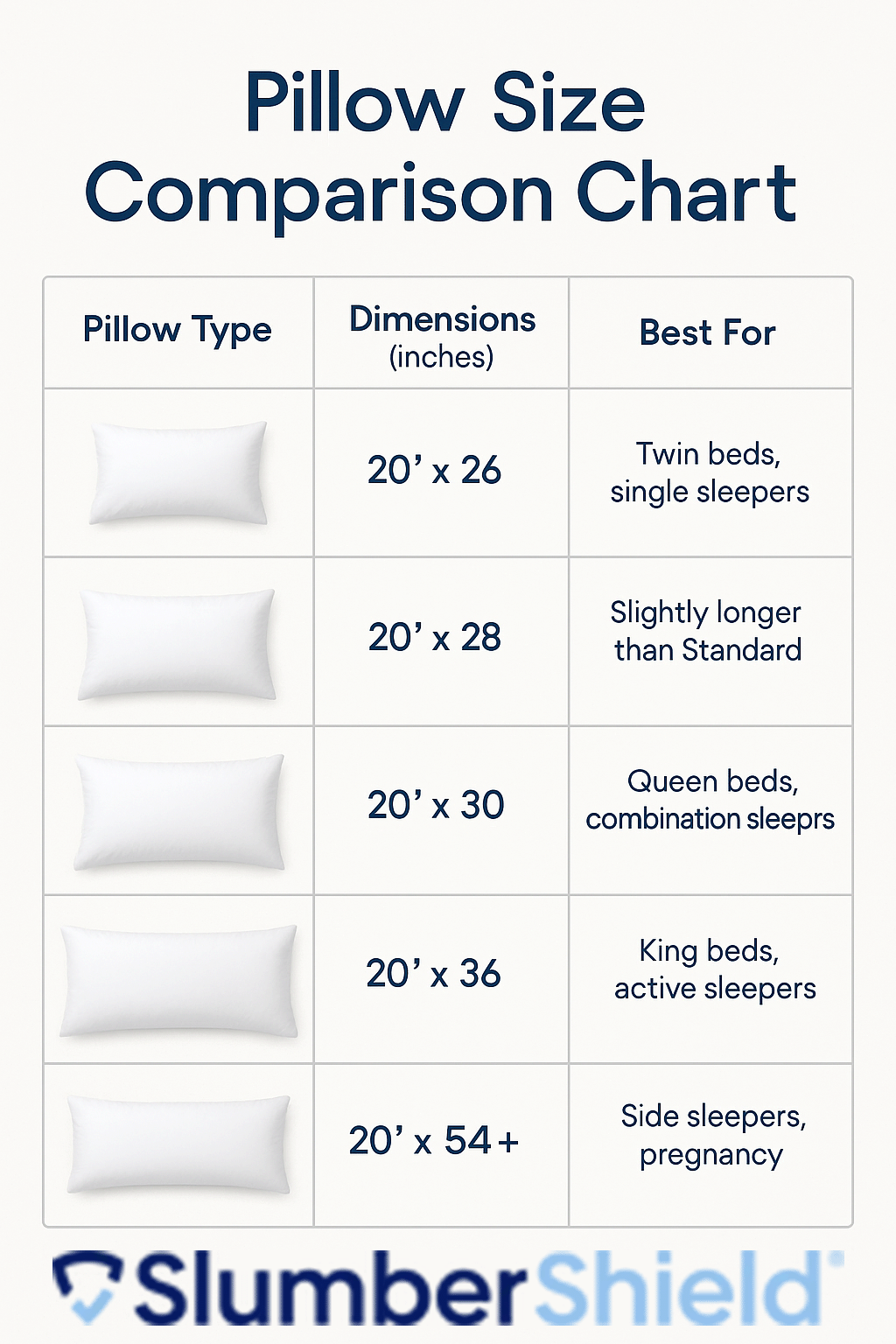
A standard pillow typically measures about 20 x 26 inches. A king pillow measures about 20 x 36 inches. The height is often similar; the big change is the width. In short, the king vs standard pillow choice affects reach across the mattress, not the loft under your neck.
Here’s how that plays out in bed:
- Standard covers less width and leaves more space between two pillows.
- King spans more width and reduces gaps, which helps active sleepers.
- Standard is easy to fluff and move. King can feel bulky to adjust.
In the king vs standard pillow debate, size equals coverage. If you toss and turn, extra width can keep you supported when you shift. If you sleep still, standard may feel more nimble and tidy.
Pros and Cons: King vs Standard Pillow
Both sizes can be great. It depends on your needs and space.
King pillow pros
- More side-to-side support, great for broad shoulders and active sleepers.
- Doubles as a mini body pillow for side sleepers.
- Looks proportional on king or California king beds.
King pillow cons
- Higher cost for both pillows and pillowcases.
- Can bunch in smaller cases or feel heavy to adjust.
- Takes more room in the washer and on travel.
Standard pillow pros
- Lower cost and easy to find cases and protectors.
- Simple to fluff, fold, and stack.
- Flexible fit for twin, full, and queen beds.
Standard pillow cons
- Less width for restless sleepers.
- May leave gaps on king beds when used as a pair.
- Can shift more easily if you move a lot.
I’ve seen the king vs standard pillow choice come down to rhythm. If you roll and reach, king often wins. If you like a neat bed and quick resets, standard is the tidy champ.

Fit With Mattress Sizes and Sleep Positions
Bed size fit
- Twin or Twin XL: One standard works well. One king can act as a body pillow.
- Full: Two standard pillows usually look balanced.
- Queen: Two standard or two queen pillows look neat. Two king pillows can work if you like full coverage.
- King or California King: Two king pillows match the width. Four standard pillows also work if you like layers.
Sleep position fit
- Side sleepers: Focus on loft first. King pillows give reach for your arms and shoulder shifts. Standard is fine if loft is right.
- Back sleepers: Many prefer the smaller footprint of standard. King is fine if you move a lot.
- Stomach sleepers: Go thin. Size matters less than a low loft to protect your neck.
With king vs standard pillow choices, match the pillow to both your bed width and your movement at night. I learned this testing sets in a guest room. Side sleepers loved the king width. Back sleepers preferred standard for quick adjustments.
Pillowcases and Bedding Compatibility
Pillowcases change feel. A tight case can raise firmness. A loose case can sag and reduce support.
Case fit basics
- Standard pillow needs a standard case. Avoid stuffing it into a queen case unless you like a looser feel.
- King pillow needs a king case for clean corners and full coverage.
- Envelope closures help keep shape and stop sliding.
- A quality protector keeps sweat and oils out and extends life.
In the king vs standard pillow matchup, the case can be the tiebreaker. The right case makes your pillow feel better and last longer. The wrong case makes even a premium pillow feel off.

Materials, Loft, and Firmness: What Matters Most
Size is not the only factor. Fill and loft decide neck comfort.
Common fills
- Memory foam molds to your shape. Great for pressure relief. Can run warm unless ventilated.
- Latex is buoyant and cool. Keeps its shape well and lasts longer.
- Down offers a soft, cloud-like feel. Compressible and easy to fluff.
- Down alternative is budget-friendly and hypoallergenic. Support varies by fill weight.
- Shredded foam blends offer adjustable loft by adding or removing fill.
Loft and firmness tips
- Side sleepers: Medium-high loft, medium to firm feel to fill the shoulder gap.
- Back sleepers: Medium loft, medium feel to keep the neck neutral.
- Stomach sleepers: Low loft, soft to medium feel to reduce neck strain.
When testing king vs standard pillow options, I start with loft first, then size. If loft is wrong, size will not fix neck pain. If loft is right, size fine-tunes movement and style.
Real-World Scenarios and Recommendations
For wide shoulders or broad frames
- Choose king for side-to-side support. Pick medium-high loft.
- Look for latex or supportive memory foam for lift that lasts.
For calm sleepers who stay put
- Choose standard to save space and money.
- Pick fill based on loft needs, not size.
For couples with a king bed
- Two king pillows look clean and reduce gaps.
- Or use four standard pillows for layered looks and flexible support.
For small bedrooms or frequent travel
- Standard is easier to pack, wash, and store.
- Keep a spare standard pillowcase in your luggage for hygiene.
In many king vs standard pillow tests, I found active sleepers slept better with king width. Minimal movers and back sleepers felt better with standard for easier micro-adjustments at night.

Care, Longevity, and Budget Factors
Care matters for health and pillow life.
Care basics
- Use a washable protector and wash it monthly.
- Wash pillows as allowed by the label. Many synthetic fills can be washed every few months. Foam cores are often spot-clean only.
- Fluff daily to keep fill even. Air out in sunlight when possible.
Longevity
- Many synthetic and down alternative pillows last 1 to 2 years before losing support.
- Memory foam and latex often last 2 to 4 years, sometimes longer with care.
- Down can last several years if kept dry and fluffed.
Budget
- Standard pillows and cases cost less and are sold everywhere.
- King pillows and cases cost more and may have fewer style choices in-store.
If you compare king vs standard pillow options long-term, factor in case costs and washer space. Many people forget case price and care time. That can tilt the balance toward standard if you wash bedding often.
How to Test and Choose in 60 Seconds
Use this quick, friendly checklist in-store or at home.
Step 1: Match loft to your position
- Side: Aim for medium-high loft that fills the shoulder gap without tilting the head.
- Back: Aim for medium loft that keeps your chin level.
- Stomach: Go low and soft to protect the neck.
Step 2: Decide size by movement and bed width
- Toss and turn or have a king bed: Try king.
- Sleep still or have a smaller bed: Try standard.
Step 3: Lock in comfort and care
- Squeeze test: It should rebound and not stay flat.
- Case fit: Use the right size case to avoid bunching.
- Heat check: If you sleep hot, consider latex or vented foam.
Follow this and the king vs standard pillow choice becomes simple and stress-free.
Frequently Asked Questions of king vs standard pillow
Is a king pillow better for side sleepers?
A king pillow offers more width for arm movement and turning. But side sleepers should prioritize loft and firmness first, then choose size.
Will two standard pillows look small on a king bed?
They can look small and leave gaps. Many people use two king pillows or layer four standard pillows for a fuller look.
Do king pillows help with neck pain?
They can help if you move a lot at night. For neck pain relief, correct loft and supportive fill matter more than size in the king vs standard pillow decision.
Are king pillowcases harder to find?
They are common online but may be limited in some stores. Standard pillowcases are easier to find and cost less.
Can I use a king pillow on a queen bed?
Yes, if you like wide coverage and a bold look. Make sure you have king cases and enough space so it does not crowd the headboard.
Conclusion
Choosing between a king vs standard pillow is about your sleep style, bed size, and budget. Use size to fine-tune reach and look, but let loft and fill drive real comfort. Test, match the case, and notice how your neck feels the next morning.
Set a simple plan tonight. Check your current pillow’s loft, try the checklist, and choose the size that fits your bed and your habits. Ready to sleep better and wake up fresh? Explore more guides, subscribe for new sleep tips, or drop your questions in the comments so I can help you decide.
Leave a Reply