Latex pillows bounce back faster; memory foam molds deeply but sleeps warmer.
If you are torn between a latex foam vs memory foam pillow, you are not alone. I test sleep gear for a living, and I have spent many nights swapping between both. In this guide, I will break down how each pillow feels, who it suits, and how to choose with confidence. By the end, you will know the real wins and trade‑offs in the latex foam vs memory foam pillow debate.
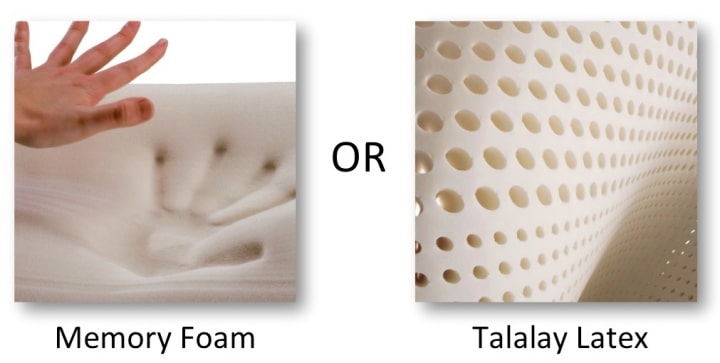
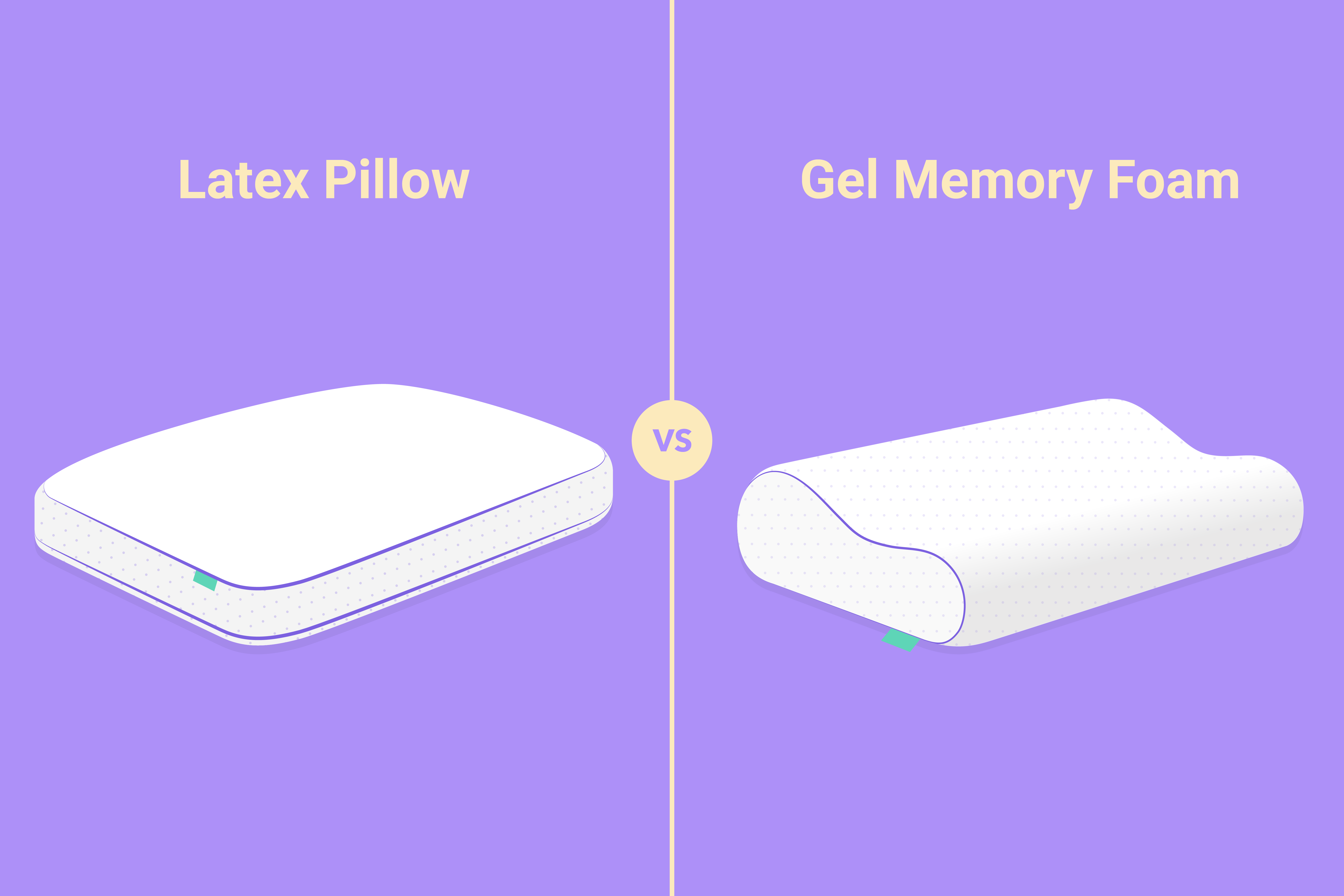
Latex foam vs memory foam pillow at a glance
Picking the right pillow can change your whole day. Latex and memory foam both promise support and relief. But they work in very different ways.
Latex is springy and quick to respond. It keeps its shape and feels buoyant. Memory foam is slow to respond. It lets you sink and shapes around your head and neck.
Here is the short version:
- Support feel. Latex lifts you up. Memory foam hugs you in.
- Temperature. Latex sleeps cooler. Memory foam runs warm unless it has cooling tech.
- Motion. Latex rebounds fast. Memory foam moves slow and absorbs motion.
- Durability. Latex often lasts longer. Memory foam can soften sooner.
- Allergies. Latex resists dust mites and mold. Memory foam is neutral but needs a good cover.
- Smell. Latex smells like rubber at first. Memory foam can off‑gas more at the start.
If you want a deeper dive, keep reading. We will map each feature to real needs. That way, you can settle the latex foam vs memory foam pillow choice with ease.
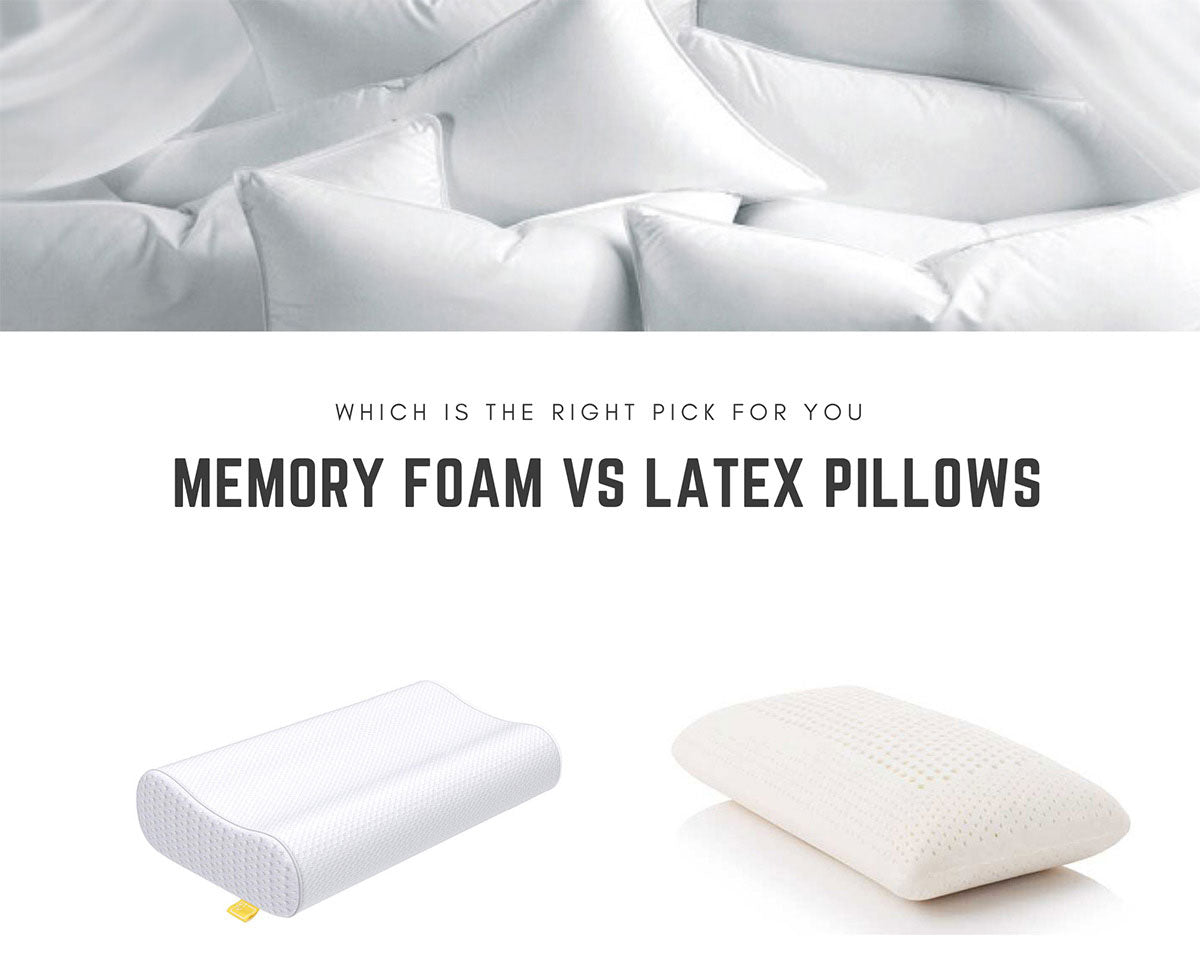
What is a latex foam pillow
Latex foam comes from rubber tree sap or from synthetic blends. Two common types are Dunlop and Talalay. Dunlop feels dense and stable. Talalay feels lighter and bouncier. Both have lots of tiny air pockets, so air flows through the pillow.
What it feels like:
- Lively support with gentle pushback.
- You sleep on the pillow, not in it.
- It holds its loft across the night.
Why it works:
- High resilience means it springs back fast.
- Open cell foam and pin‑core holes move heat and moisture.
- Natural latex is often more durable than many foams.
What to watch:
- It has a rubber scent at first. It fades in days.
- Not for people with a confirmed latex allergy.
- Do not wash the foam. Spot clean only and use a zipper cover.
Tip from my own use: I reach for latex when I toss and turn. It keeps my neck level when I change sides. The lively feel helps me move without waking.
What is a memory foam pillow
Memory foam is viscoelastic polyurethane foam. It softens with heat and pressure. It then slowly returns to shape. You can get one solid core or a shredded fill. Some add gel, graphite, copper, or phase change fabric to help with heat.
What it feels like:
- Deep contour with a cradled feel.
- You sink in and the foam adapts to your shape.
- Very good pressure relief for sore spots.
Why it works:
- Slow response spreads pressure over a larger area.
- High density cores support the neck curve well.
- Shredded fill lets you adjust loft by adding or removing foam.
What to watch:
- It can trap heat unless it has real airflow or cooling covers.
- Off‑gassing can last a few days when new.
- It may soften or form impressions over time.
From my sleep notes: I use memory foam when my neck feels tight after long desk days. The contour eases pressure. On very hot nights, I switch back to latex.
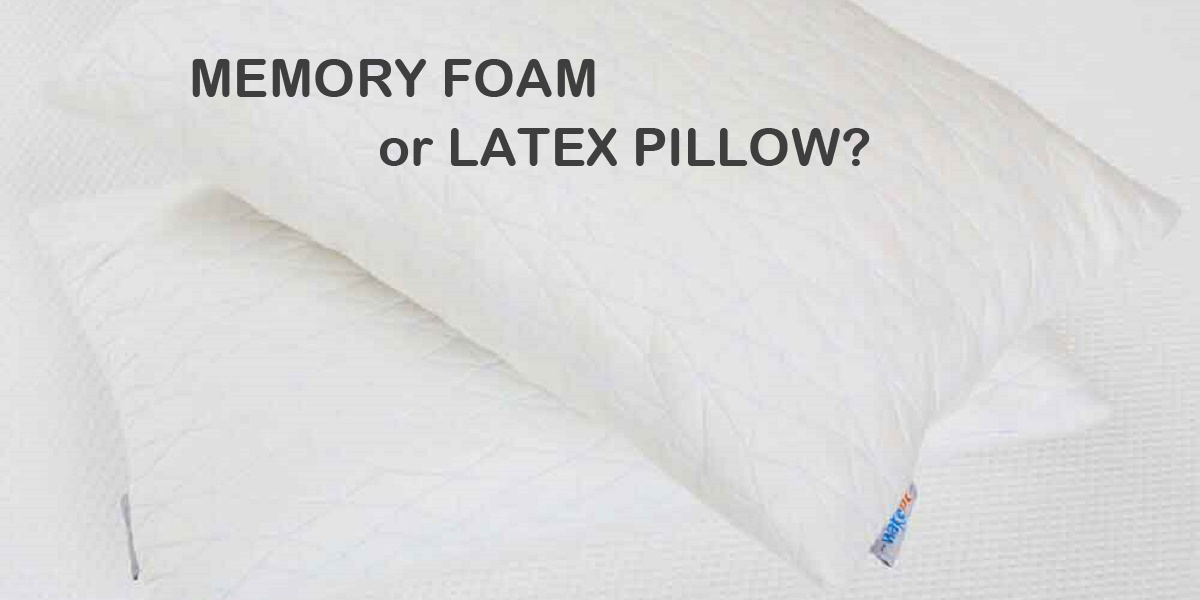
Latex foam vs memory foam pillow key differences that matter
Support and spinal alignment
- Latex keeps your head lifted. Great if you want a steady, even feel.
- Memory foam allows more sink. Great if you need close contour at the neck curve.
Pressure relief
- Memory foam wins for deep cradling, especially for side sleepers with tight shoulders.
- Latex still gives good relief, but with less sink.
Temperature and airflow
- Latex breathes better due to open cells and pin cores.
- Memory foam tends to run warm unless enhanced with real airflow or cooling fabrics.
Responsiveness and movement
- Latex is quick and bouncy. Good for restless sleepers.
- Memory foam is slow and stable. Good if you stay in one spot.
Durability
- Latex often lasts 5 to 8 years with stable height.
- Memory foam is often 3 to 5 years before soft spots appear, though high density can last longer.
Allergies and cleanliness
- Natural latex resists dust mites and mold.
- Memory foam is neutral but needs regular airing and a washable cover.
Smell and safety
- Latex has a natural rubber scent that fades.
- Memory foam can off‑gas VOCs early on. Look for foam safety certifications.
Eco and materials
- Natural latex comes from renewable tree sap. Look for organic certifications for higher standards.
- Memory foam is synthetic. Look for clean foam standards to reduce emissions.
Noise and feel
- Both are quiet. Latex can feel springy. Memory foam feels calm and still.
In the latex foam vs memory foam pillow choice, start with how you sleep. That matters more than any single feature.

Who should choose which pillow
Side sleepers
- Try memory foam if you need deep relief at the ear and jaw.
- Try latex if you want lift and a cooler sleep, plus easy turning.
Back sleepers
- Try memory foam if you like a gentle cradle under the neck.
- Try latex if you want neutral support and a steady head height.
Stomach sleepers
- A low, soft pillow works best. A low loft latex can keep heat down.
- A shredded memory foam pillow can be thinned to fit.
Hot sleepers
- Latex often feels cooler. Pair it with a breathable cotton or Tencel cover.
- If you choose memory foam, look for airflow channels and cool knit covers.
Neck pain or migraines
- Memory foam can reduce hot spots with close contour.
- Latex can keep the neck aligned if you move a lot.
Body type and shoulder width
- Broad shoulders need higher loft. Tall latex or high loft memory foam both work.
- Petite frames often prefer mid to low loft. Shredded fills are easy to fine‑tune.
If you still feel stuck, rest your case on alignment. The best latex foam vs memory foam pillow is the one that holds your head in line with your spine.
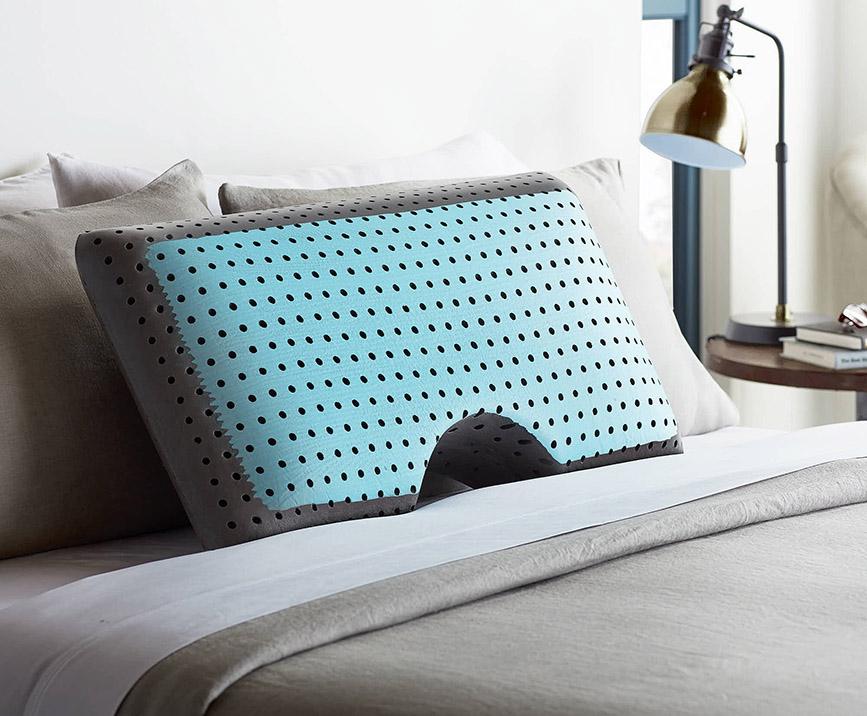
Loft and firmness guide for latex foam vs memory foam pillow
Loft targets by position
- Side sleepers: 4 to 6 inches to fill the shoulder gap.
- Back sleepers: 3 to 5 inches to support the neck curve.
- Stomach sleepers: under 3 inches to keep the neck flat.
Firmness tips
- Latex: choose medium for most people. It feels supportive but not hard.
- Memory foam: choose medium or medium‑soft to allow contour without bottoming out.
Shape choices
- Contour cervical pillows fit the neck curve. Good for desk workers and drivers.
- Traditional rectangle pillows feel familiar and suit all positions.
- Shredded memory foam or shredded latex allows custom loft. Great for mixed sleepers.
Pro move: When testing a latex foam vs memory foam pillow, lie on your side. Ask a friend to take a photo at neck level. Your spine should look straight from head to tail.
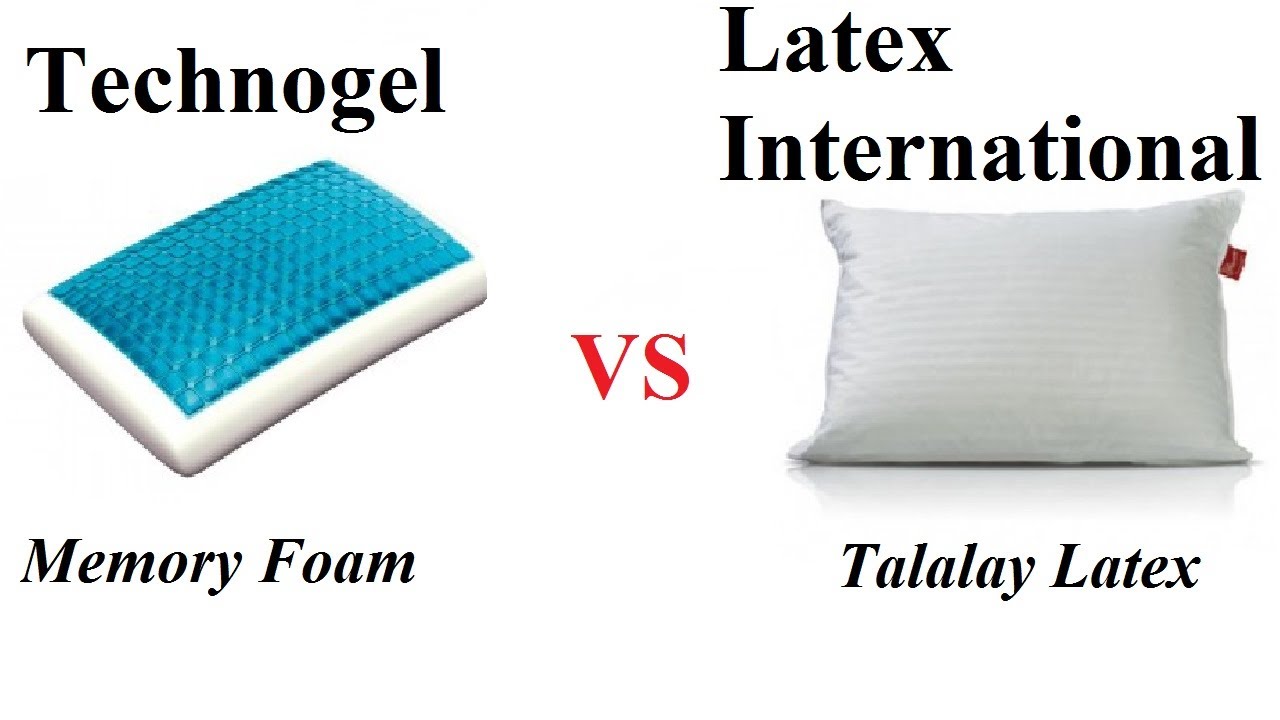
Real world testing notes and personal tips
What I learned after months of swaps:
- Heat is real. My head felt warmer on solid memory foam cores, even with gel. Shredded fills helped a bit.
- Motion matters. Latex made turning easy at 2 a.m. I woke less when I moved.
- Loft drift. My older memory foam lost about half an inch over a year. My latex kept height better.
- Pain days. On stiff neck days, memory foam felt soothing. On normal days, latex felt fresh and clear.
Practical tips:
- Pair either pillow with a simple, breathable cover. Heavy covers trap heat.
- If a pillow feels too high, try removing a thin layer or switching to a low‑profile case.
- Give memory foam 48 hours to expand and vent before use.
- With latex, air it out in a cool, shaded spot. Sunlight can age it.
This balance of facts and feel is the heart of latex foam vs memory foam pillow decisions.
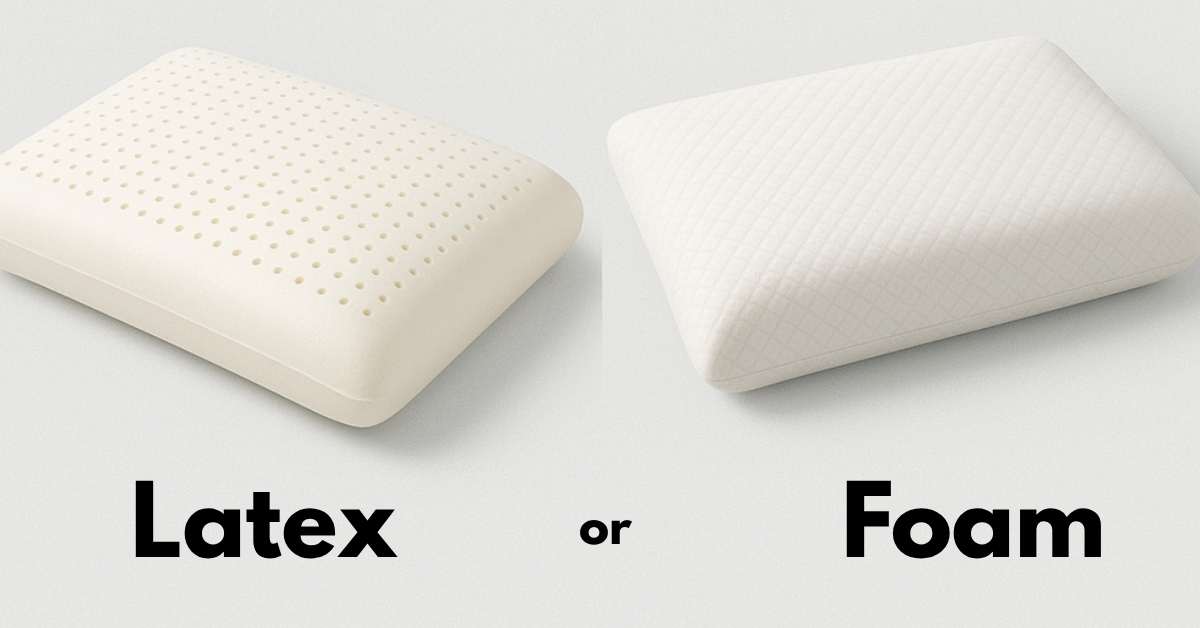
Buying checklist, certifications, and common mistakes
Check the basics
- Loft that matches your sleep position.
- Firmness that supports without strain.
- Return window of at least 30 nights.
Good signs
- Latex with trusted organic or responsible sourcing labels.
- Memory foam with clean foam standards that limit emissions.
- Removable, washable cover in cotton, Tencel, or bamboo viscose.
Common mistakes
- Picking a pillow that is too thick for back or stomach sleeping.
- Ignoring your mattress firmness. A soft bed needs a slightly lower pillow. A firm bed needs a higher one.
- Over‑valuing gimmicks. Cooling gels help a bit, but airflow and fabric matter more.
- Skipping the break‑in. Your neck may need a week to adapt.
Cost and value
- Latex costs more up front but can last longer.
- Memory foam costs less but may need earlier replacement.
- For the best latex foam vs memory foam pillow value, focus on fit and durability.
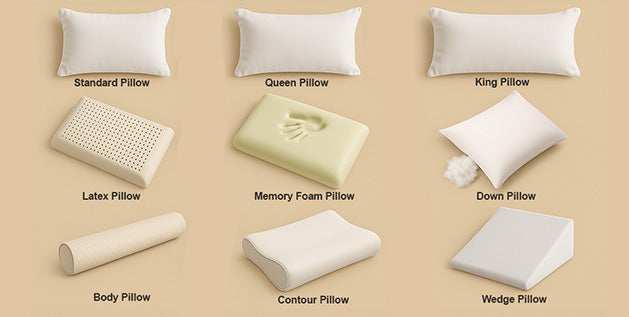
Care, cleaning, and lifespan best practices
Daily care
- Fluff latex gently and air it each morning.
- Squeeze and fluff shredded memory foam to spread the fill.
Cleaning
- Never machine wash the foam core. Spot clean only.
- Wash the outer cover every two to four weeks.
- Use a pillow protector to block sweat and oils.
Lifespan
- Latex: 5 to 8 years for many sleepers.
- Memory foam: 3 to 5 years on average.
- If you wake with neck pain or see deep impressions, it is time to replace.
Storage and safety
- Keep foam away from direct sun and high heat.
- Let new pillows vent in a fresh air space for a day or two.
These steps stretch the life of any latex foam vs memory foam pillow.
Price, value, and warranty comparison
Typical ranges
- Latex pillows: mid to high price. Higher with certified natural materials.
- Memory foam pillows: budget to mid price. Higher with special covers and cuts.
Warranty and trials
- Look for a 3 to 5 year warranty for latex.
- Look for at least a 1 to 3 year warranty for memory foam.
- A 30 to 100 night trial helps you test alignment at home.
Smart spend tips
- Pay for the right loft first. Fancy features cannot fix wrong height.
- Check the return policy before you cut tags or recycle packaging.
- If you are unsure, choose a shredded fill model. You can adjust loft until it is right.
A well‑picked latex foam vs memory foam pillow can save money by cutting trial and error.
Frequently Asked Questions of latex foam vs memory foam pillow
Which is better for neck pain, latex or memory foam
Both can help. Memory foam gives deep contour that eases pressure. Latex keeps alignment steady if you move a lot.
Do latex pillows cause allergies
Most latex pillows remove many proteins during processing. If you have a known latex allergy, choose memory foam or consult your doctor.
Do memory foam pillows sleep hot
They can. Look for airflow cuts, shredded fill, and cool knit covers to reduce heat buildup.
How long do these pillows last
Latex often lasts 5 to 8 years with steady loft. Memory foam usually lasts 3 to 5 years, depending on density and care.
Can I wash a latex or memory foam pillow in the machine
Do not wash the foam core. Spot clean only. Always use a removable, washable cover and a protector.
Is a shredded fill better than a solid core
Shredded fill lets you adjust loft and can sleep cooler. Solid cores give a more consistent, uniform shape.
What certifications should I look for
Look for clean foam and organic or safety standards on the label. These help limit emissions and confirm material quality.
Conclusion
A great pillow holds your head level, eases pressure, and stays comfy all night. Latex is cool, springy, and steady. Memory foam is contouring, calming, and soothing for sore necks. Your best pick in the latex foam vs memory foam pillow choice depends on position, heat needs, and how much you move in sleep.
Try the loft guide above, match it to your bed, and use a trial period to confirm fit. Your next step is simple: choose one model that fits your position, test it for 30 nights, and note how you feel each morning. Want more help choosing a latex foam vs memory foam pillow for your exact sleep style? Leave a comment with your height, position, and mattress type, and I will help you dial it in.
Leave a Reply