Latex pillows are springy and cool; memory foam pillows contour deeply but trap heat.
If you are torn on latex vs memory foam pillow, you are not alone. I test sleep gear for a living, and I coach real people through neck pain and hot nights. In this guide, I break down latex vs memory foam pillow with clear data, plain language, and helpful stories. You will learn what matters, what does not, and how to pick the right fit for your body.
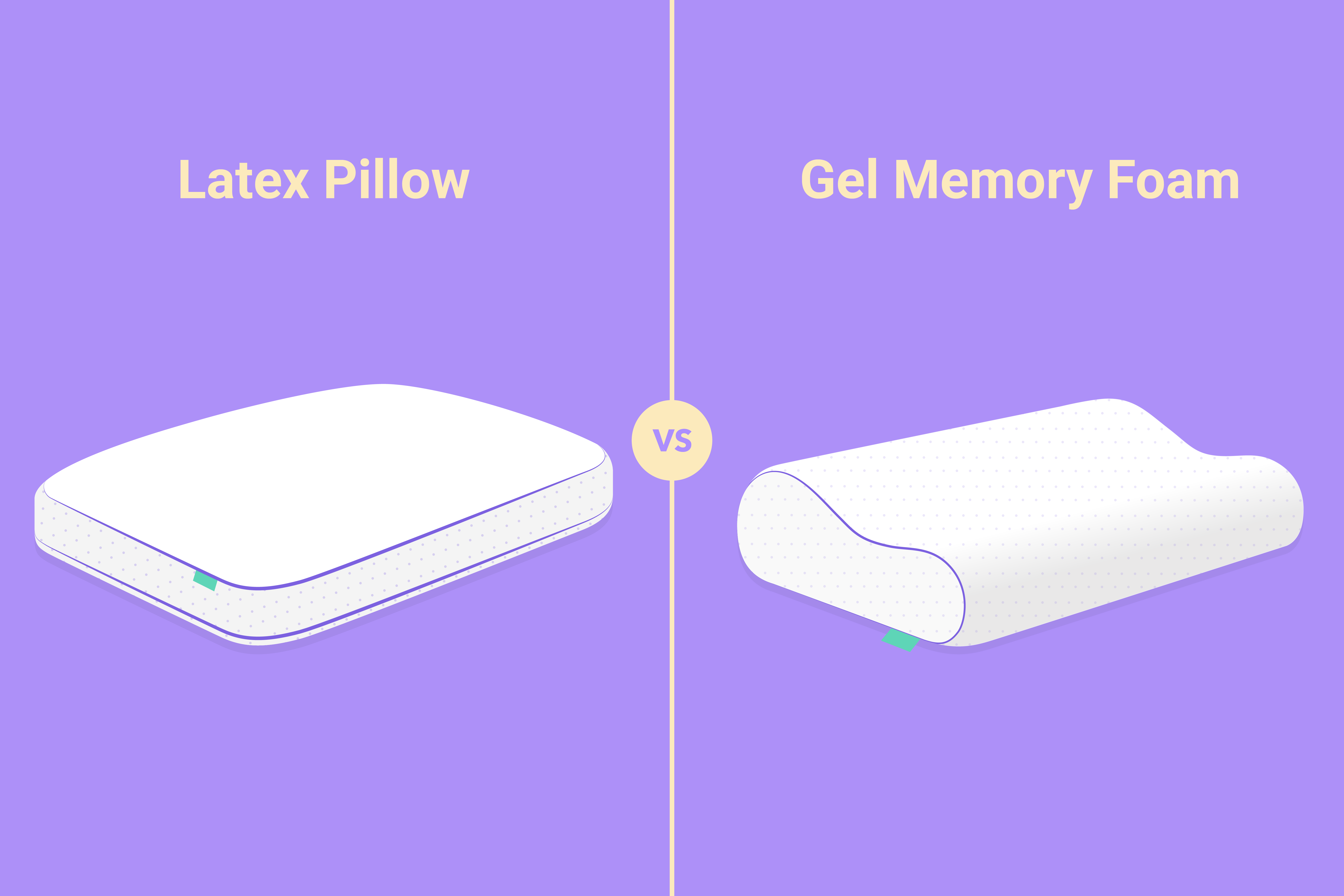
What Makes Each Pillow Type Different
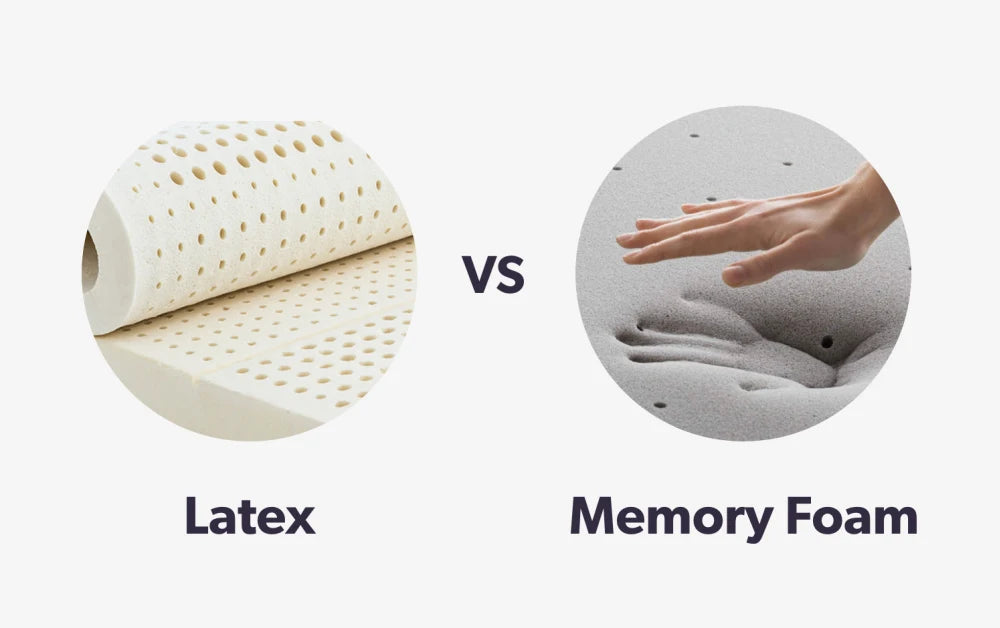
Latex comes from rubber tree sap. It feels buoyant and lively. It springs back fast when you move. It has many small air pockets. That helps it stay cool.
Memory foam is a slow-response foam. It molds to your head. It gives a deep cradle feel. It can feel warm and dense. It can smell at first if brand new.
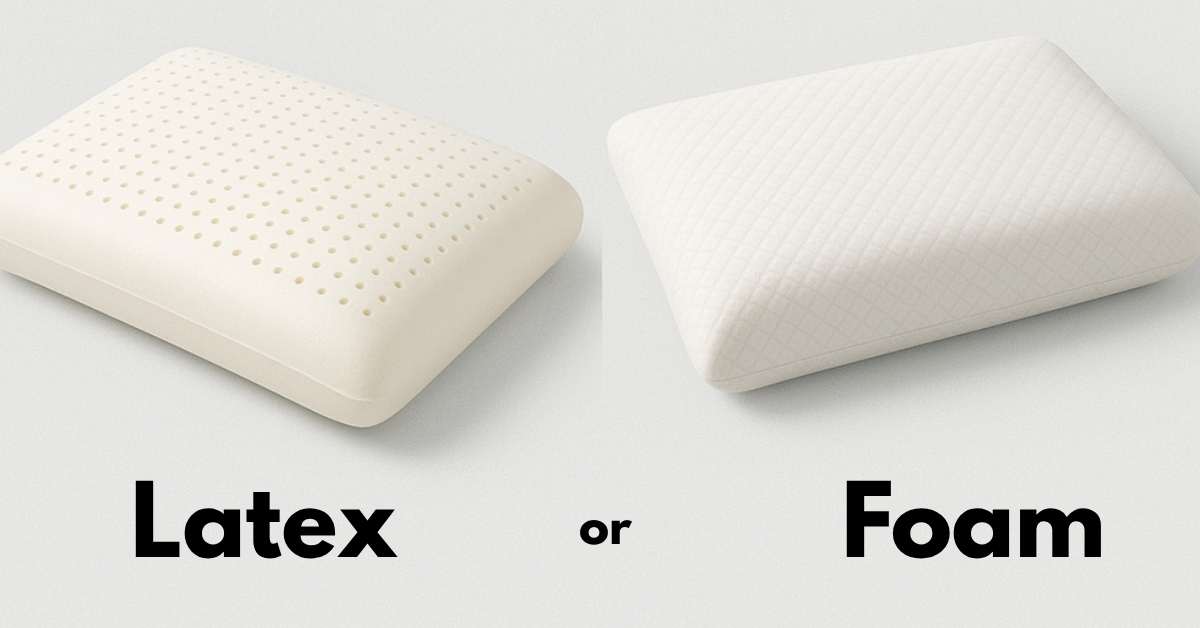
For latex vs memory foam pillow, think feel first. Latex is bouncy and cool. Memory foam is slow and snug. Both can support you well when built right.
Key build notes:
- Latex types: natural, blended, or synthetic. Natural often lasts longer.
- Shapes: solid blocks, ventilated cores, or shredded fills.
- Memory foam options: gel, charcoal, or copper infusions. Some boost airflow.
- Covers: cotton, bamboo, or Tencel help cooling and skin feel.
Comfort and Support: How They Feel Night After Night
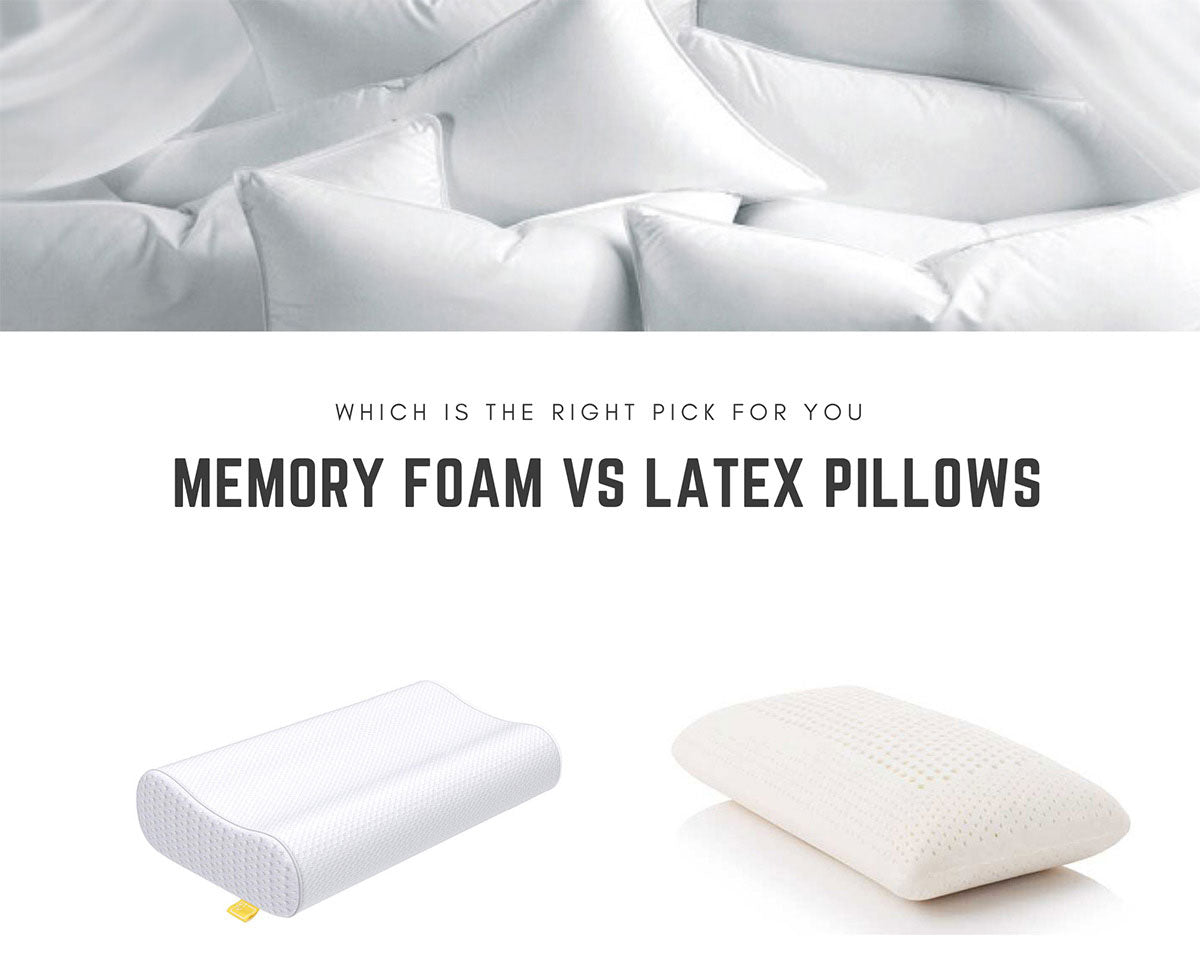
Latex lifts your head like a small spring. It keeps your neck in line. It suits people who change sides at night. It does not bottom out.
Memory foam hugs your head. It eases pressure at the ear and jaw. It can feel dreamy if you want deep contour. But it may feel stuck for some.
In my testing, combo sleepers tend to like latex. Side sleepers with sharp shoulders often like memory foam. For latex vs memory foam pillow comfort, match the feel to how you move.
Quick tips:
- Want easy movement: choose latex.
- Want a deep cradle: choose memory foam.
- Like a balanced hug: try shredded latex or ventilated memory foam.
Temperature, Breathability, and Sweat Control
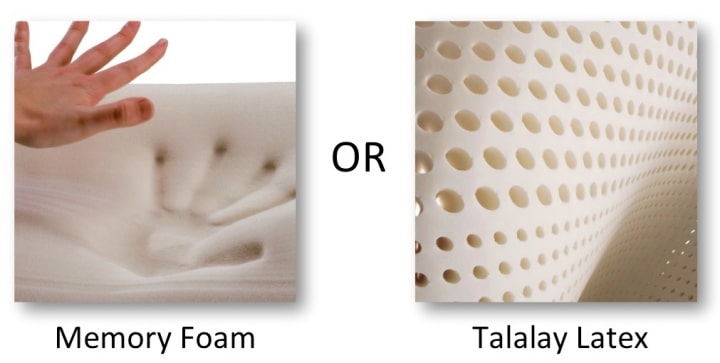
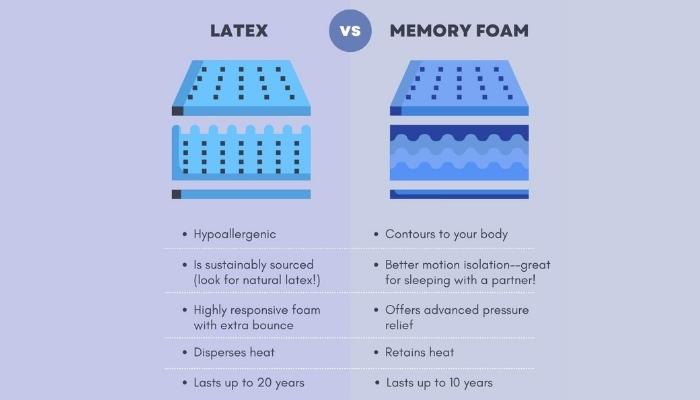
Latex has open cells. Air moves through the core. It sleeps cooler. Vent holes and airy covers help more.
Memory foam reacts to heat. It can trap warmth. Gel or phase-change covers can help. But dense foam still holds heat.
If you run hot, latex wins most tests I run. For latex vs memory foam pillow heat control, pick latex or very airy foam. Use a breathable pillowcase and no plastic liners.
Pressure Relief and Spinal Alignment by Sleep Position
Side sleepers need higher loft. That fills the gap at the neck. Memory foam can shine here if it keeps height. Latex works too if loft is right.
Back sleepers need medium loft. The head should not tilt up or drop down. Latex gives steady lift. Memory foam gives gentle cradle.
Stomach sleepers need low loft. A soft, thin pillow helps neck strain. Shredded latex or a low-profile foam can work. Here, the latex vs memory foam pillow choice matters less than loft.
Simple checks:
- Your nose aligns with your spine.
- Your ears stack over your shoulders.
- No morning neck ache.
Allergies, Off-Gassing, and Health Notes
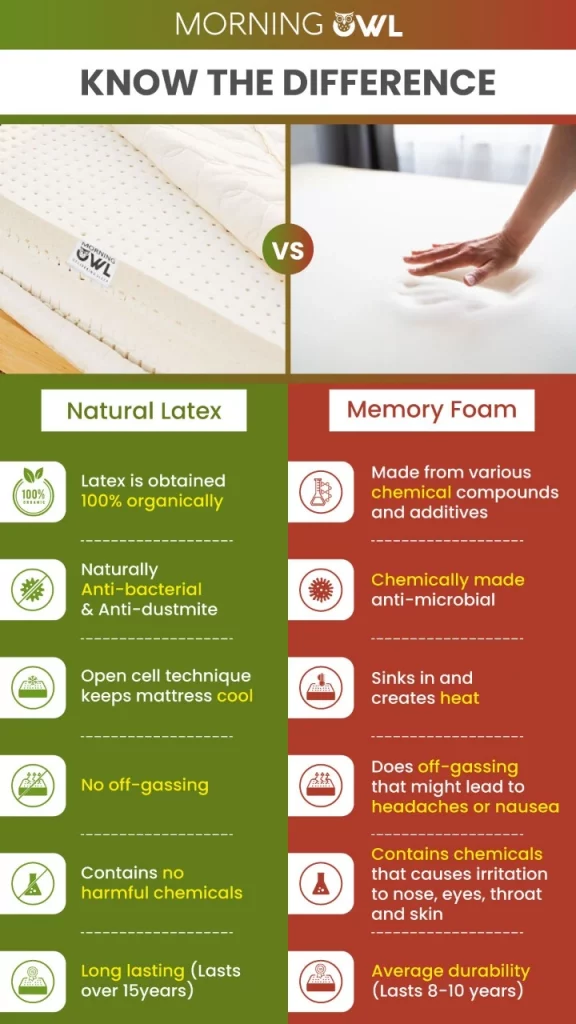
Latex is naturally resistant to dust mites and mold. Many find it helpful for allergy control. Choose certified foams for peace of mind.
Memory foam may release a new-foam smell. Air it out for a day or two. Look for low-VOC labels to cut odor risk.
If you have a latex allergy, be careful. True latex allergy is rare but real. Most pillow covers block skin contact. Still, ask your doctor if unsure. In latex vs memory foam pillow safety, certification and cover quality matter a lot.

Durability, Care, and Lifespan
Good latex holds shape for years. It resists sag and clumping. Many last 4 to 6 years or more with care.
Memory foam can soften sooner. Deep body impressions may show with time. Lifespan ranges from 2 to 4 years on average.
Care tips:
- Use a washable, breathable cover.
- Spot clean only. Do not soak the core.
- Air out in shade each season.
- Rotate monthly to even wear.
Price, Value, and Warranty Considerations
Latex often costs more upfront. But it can last longer. That can mean better value per year.
Memory foam ranges wide in price. Budget foam can work for guests or short-term needs. Premium foam can cost as much as latex.
What I tell clients on latex vs memory foam pillow value:
- Pay for support, not hype.
- Check return windows of 30 to 120 nights.
- Read the fine print on sag or defects.
Sustainability and Sourcing
Natural latex comes from trees. Farms can be ethical and renew the resource. Look for trusted eco labels.
Memory foam is a petrochemical product. Some brands offset impact. Recycled packaging and clean factories help.
If green goals matter to you, latex takes the lead. For latex vs memory foam pillow eco choice, natural latex with clear labels is the safe pick.
How to Choose: A Simple Decision Guide
Use this quick path:
- You move often at night: choose a latex pillow.
- You love a deep, slow hug: choose a memory foam pillow.
- You sleep hot: lean latex or very breathable foam.
- You need strict neck support: choose the right loft first.
- You have allergies: natural latex with a tight cover is strong.
Measure your shoulder width if you are a side sleeper. The wider the gap, the higher the loft you need. Test in your main sleep pose for five minutes. Your neck should feel neutral.
In the latex vs memory foam pillow decision, comfort and loft beat brand names every time.
Real-World Tests: What I Do With Clients
I run a five-night test. Two nights on latex. Two nights on memory foam. One night on the favorite to confirm. We track pain on a simple scale.
One client, a hot sleeper, loved memory foam in store. At home, heat woke him up. We swapped to perforated latex. His sleep time rose by an hour. For another client with jaw pain, a soft, slow foam eased pressure right away.
Use what your body tells you. Data from your nights beats any ad. That is the heart of latex vs memory foam pillow testing.
Frequently Asked Questions of latex vs memory foam pillow
Which is better for neck pain?
Both can help if loft and shape are right. Latex gives steady lift, while memory foam cradles pressure points. Test in your main sleep position.
Do latex pillows smell?
Natural latex has a mild, sweet scent at first. It fades in a few days. Air the pillow out before use.
Will memory foam make me hot?
Standard memory foam can trap heat. Look for vents, gel, or breathable covers. If you sleep very hot, try latex.
How long do these pillows last?
Latex often lasts 4 to 6 years with care. Memory foam averages 2 to 4 years. Quality and use matter a lot.
Are these pillows good for side sleepers?
Yes. Side sleepers need enough loft to fill the neck gap. Many choose high-loft latex or contour memory foam.
Can I wash the pillow core?
Do not machine wash the core. Spot clean only. Always use a washable cover to protect it.
What certifications should I look for?
Look for trusted safety and low-VOC labels. They help limit odors and unwanted chemicals. They also show better quality control.
Conclusion
Both pillows can be great when matched to your needs. Latex is cool, springy, and durable. Memory foam is contouring, cozy, and pressure relieving. Focus on loft, heat, and how much you move.
Try the simple five-night test and listen to your body. Make your latex vs memory foam pillow choice based on comfort you can feel, not hype. Ready to dial in your sleep? Share your questions, and subscribe for more hands-on sleep tips.
Leave a Reply