Nasal masks fit most people; pillows feel lighter but demand proper nose fit.
Choosing between a nasal mask vs pillow can feel like picking shoes in the dark. I help sleepers and CPAP users find comfort every day, and I know the small details that make a big difference. In this guide, I break down nasal mask vs pillow with clear pros, cons, and real-world tips so you can breathe easy and sleep better.

What Is a Nasal Mask?
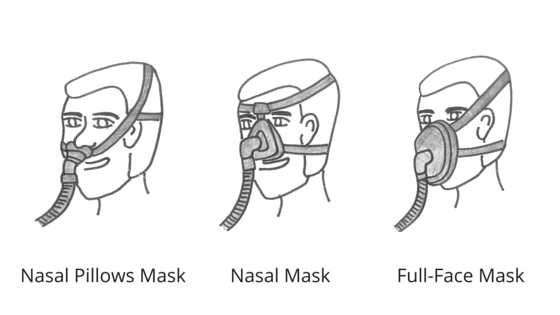
A nasal mask covers your nose from the bridge to the upper lip. It seals around the nose with a cushion. The headgear holds it in place with straps. It works well for many sleep styles and face shapes.
Air flows through the cushion and into your nostrils. You can open your mouth to talk or sip water. Many users like the steady feel and stable seal.
If you tend to move a lot, a nasal mask often stays put better. It can feel more secure than tiny pillows, but some people find it bulky.
What Are Nasal Pillows?
Nasal pillows seal at your nostril openings with two soft prongs. They rest under the nose, not on the bridge. The headgear is lighter and has fewer contact points.
This setup feels open and airy. Many side sleepers love it. If you dislike the feeling of a mask on your face, pillows can help.
The key is fit. The pillow size must match your nostril size. When it fits, airflow feels direct and easy.
Nasal Mask vs Pillow: Key Differences
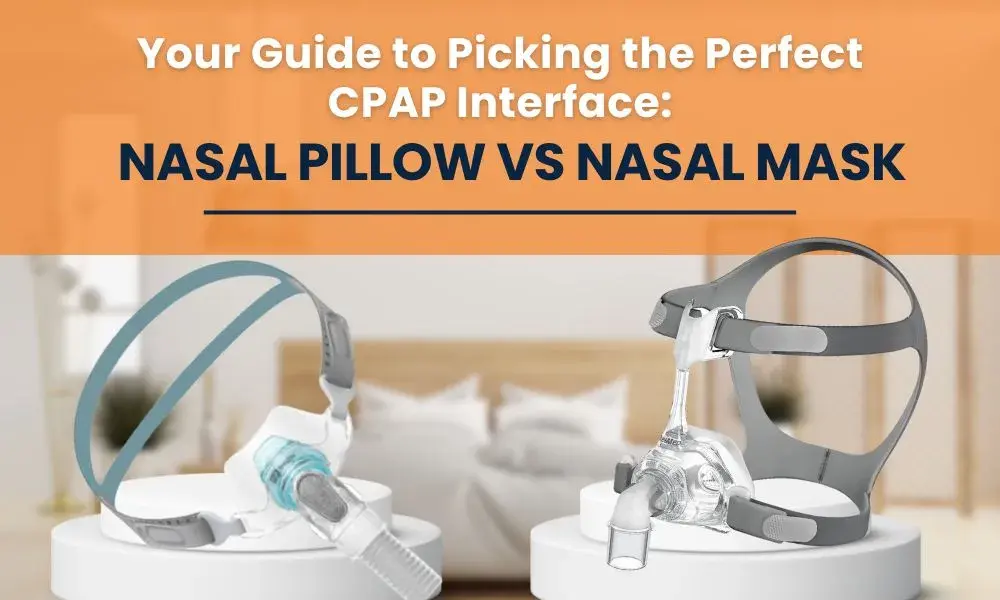
When you compare a nasal mask vs pillow, think about seal, comfort, and your sleep style.
- Contact on face: Nasal masks touch more skin; pillows touch only nostrils.
- Claustrophobia: Pillows feel more open; masks can feel more present.
- Pressure: Masks handle a wide range; pillows can too with proper size and angle.
- Mouth breathing: Masks need extra help if you mouth-breathe; pillows do as well.
- Side sleeping: Pillows are tiny and shift less; masks can be stable if fitted well.
- Leaks: Mask leaks often come from the bridge; pillow leaks from nostril angle or size.
- Noise: Both can be quiet; leaks cause most noise.
- Maintenance: Pillows have tiny parts; masks have larger cushions and frames.
From my experience, the best choice comes down to your nose shape, pressure needs, and whether you breathe through your mouth at night. Test both if you can. Your skin and sleep position will guide you.

Pros and Cons of Each
Nasal mask pros:
- Stable seal for many face shapes.
- Works for restless sleepers.
- Good with higher pressure when fitted right.
Nasal mask cons:
- More contact on skin.
- Can press on the nose bridge.
- May feel bulky under glasses.
Nasal pillow pros:
- Light and minimal on the face.
- Great for side sleepers and people with glasses.
- Less heat and sweat under the mask.
Nasal pillow cons:
- Needs exact sizing and angle.
- Can irritate nostrils if too tight.
- Not ideal if you have chronic stuffy nose.

Fit, Sizing, and Comfort
Getting the right fit matters more than the model. This is true for both a nasal mask vs pillow.
How to fit a nasal mask:
- Sit up and place the mask lightly on your nose.
- Turn on airflow, then tighten straps a little at a time.
- Keep it snug, not tight. If you see marks, it is too tight.
How to fit nasal pillows:
- Try the smallest size that seals without pain.
- Angle the pillows so the tips rest at the nostril opening, not deep inside.
- Adjust the cheek straps to keep a gentle seal.
Comfort tips:
- Use mask liners or a thin skin barrier if you get red spots.
- Wash your face before bed to improve seal.
- Refit after a haircut or weight change.

Pressure Needs, Leak Control, and Mouth Breathing
Pressure matters when you compare a nasal mask vs pillow. Both can work across common pressure ranges. The seal and fit decide success more than the type.
- High pressures: A well-fitted mask or pillow can handle it. Try a larger pillow size or a mask with a deeper cushion if you see leaks.
- Leak control: Leaks are often from over-tightening. Back off a little. Let the cushion inflate to seal.
- Mouth breathing: If your mouth opens, you may lose pressure. Try a soft chin strap, mouth tape designed for CPAP use, or switch to a full-face mask if needed.
- Congestion: For stuffy nights, a nasal rinse before bed helps. A heated humidifier often reduces dryness and leaks.
Clinical studies show that lower leak rates improve sleep quality and comfort. Focus on the smallest change that fixes the leak: angle, size, or strap tension.

Skin, Allergies, and Hygiene
Skin health affects your choice in the nasal mask vs pillow debate. Less contact often means fewer marks, but it comes down to care.
- Wash cushions and pillows with mild soap daily or as directed.
- Replace parts on schedule to keep the seal fresh.
- If you have sensitive skin, look for silicone-free options or use a liner.
- For allergies, regular cleaning reduces dust and oils that cause irritation.
I have seen small changes, like a different soap or liner, end months of skin issues. Keep it simple and consistent.

Lifestyle, Travel, and Partner Impact
Your life off the pillow matters too in nasal mask vs pillow.
- Travel: Pillows pack small and are easy to carry. A compact mask also works well.
- Glasses and screen time: Pillows make it easy to read or watch a show before sleep.
- Partner: Fix leaks to reduce noise. A quiet setup helps both of you sleep.
- Night shifts or naps: Minimal gear helps with quick on-and-off use.
When I travel, I grab nasal pillows for space and comfort. At home, I keep a nasal mask as a backup for stuffy nights.
Costs, Insurance, and Replacement Schedule
Cost can play a role in nasal mask vs pillow.
- Cushions and pillows wear out. Plan to replace them on a regular cycle.
- Headgear lasts longer but still stretches over time.
- Check your insurance for coverage and replacement timelines.
- Consider value: a mask that fits well saves time and improves sleep.
A fresh seal saves you from chasing leaks at 2 a.m. That alone is worth it.
How to Choose: A Simple Decision Checklist
Use this quick list to decide between a nasal mask vs pillow:
- Do you hate face contact? Choose pillows.
- Do you want a steady seal with movement? Choose a nasal mask.
- Do you have a narrow bridge or glasses? Choose pillows.
- Do you have sensitive nostrils or small nares? Choose a nasal mask.
- Do you mouth-breathe at night? Try a chin strap, or consider a full-face mask.
- Do you need higher pressures? Both can work; test for leaks and comfort.
Test each type for at least a few nights. Your body needs time to adapt.
Real-World Tips From Experience
From years helping users pick between a nasal mask vs pillow, here is what helps most.
- Start with the kind that feels less scary. Comfort builds trust.
- Size up and down. One size off can change your whole night.
- Use humidity and pre-sleep rinse if you get dry or stuffy.
- Track your data. If leaks go up, check cushion age and strap tension.
- Keep a backup style for bad allergy days or travel.
I once worked with a runner who loved nasal pillows but had spring allergies. We kept a nasal mask on hand for peak pollen weeks. His sleep stayed steady all year.
Setup and Troubleshooting Guide
Follow these steps for either option in the nasal mask vs pillow choice.
- Fit while lying in your usual sleep position.
- Start with loose straps, turn on air, then snug gently.
- If you hear a hiss, lift and reseat instead of tightening.
- If nostrils hurt, drop one pillow size or reduce strap tension.
- If your nose bridge is sore, try a different cushion style or add a liner.
- If you wake with dry mouth, add humidity and try a chin strap.
- If leaks spike late at night, consider mask wear or an auto-adjust pressure check.
Small tweaks solve most issues. Be patient and change one thing at a time.
Frequently Asked Questions of nasal mask vs pillow
Which is better for side sleepers in the nasal mask vs pillow choice?
Nasal pillows are often better because they are small and less likely to shift. A well-fitted nasal mask can also work with the right pillow and strap setup.
What if I breathe through my mouth when comparing nasal mask vs pillow?
Both can lose pressure if your mouth opens. Use a chin strap or try a full-face mask if mouth breathing continues.
Is a nasal mask vs pillow better for high pressures?
Both can handle higher pressures when fitted well. If leaks occur, adjust size, angle, or try a deeper cushion on a nasal mask.
Which is easier to clean in nasal mask vs pillow?
Nasal pillows have fewer, smaller parts and rinse fast. Nasal masks are easy too but may take a few more minutes.
How do I stop nostril soreness with nasal mask vs pillow?
With pillows, try a smaller size, add humidity, and ease strap tension. Switch to a nasal mask on tender nights to let skin recover.
Does nasal mask vs pillow affect noise for my partner?
Leaks make most of the noise. A good seal and fresh cushions keep both styles quiet.
Can I wear glasses with nasal mask vs pillow?
Pillows work best with glasses since there is no bridge contact. Low-profile nasal masks can also work, but it depends on the frame design.
Conclusion
The best choice in nasal mask vs pillow is the one you can wear all night with ease. Pillows feel light and open. Nasal masks feel steady and secure. Match the mask to your nose, your sleep style, and your pressure needs.
Try both if you can. Use the checklist, size carefully, and fix leaks with small tweaks. Your reward is calmer nights and brighter days. If this helped, share it, subscribe for more sleep tips, or leave a comment with your experience.
Leave a Reply