Pillow shams are decorative covers; pillow cases protect pillows for nightly sleep.
If you have ever stood in a bedding aisle feeling unsure about pillow sham vs case, you are not alone. I work with clients on bed styling and sleep hygiene, and this choice comes up often. In this guide, I break down pillow sham vs case with clear tips, real-life examples, and expert insights so you can dress your bed with confidence and comfort.
What is a pillow case?
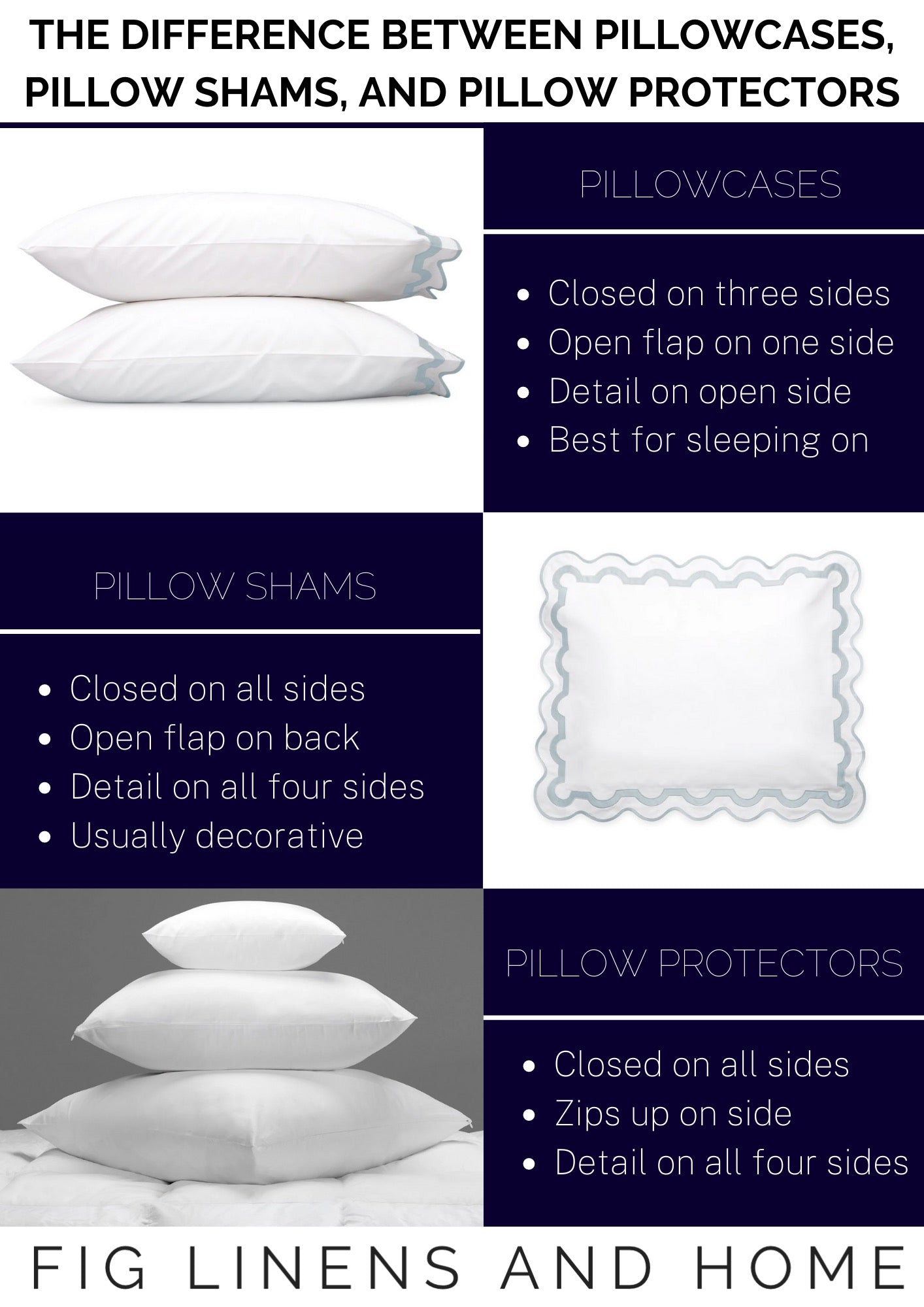
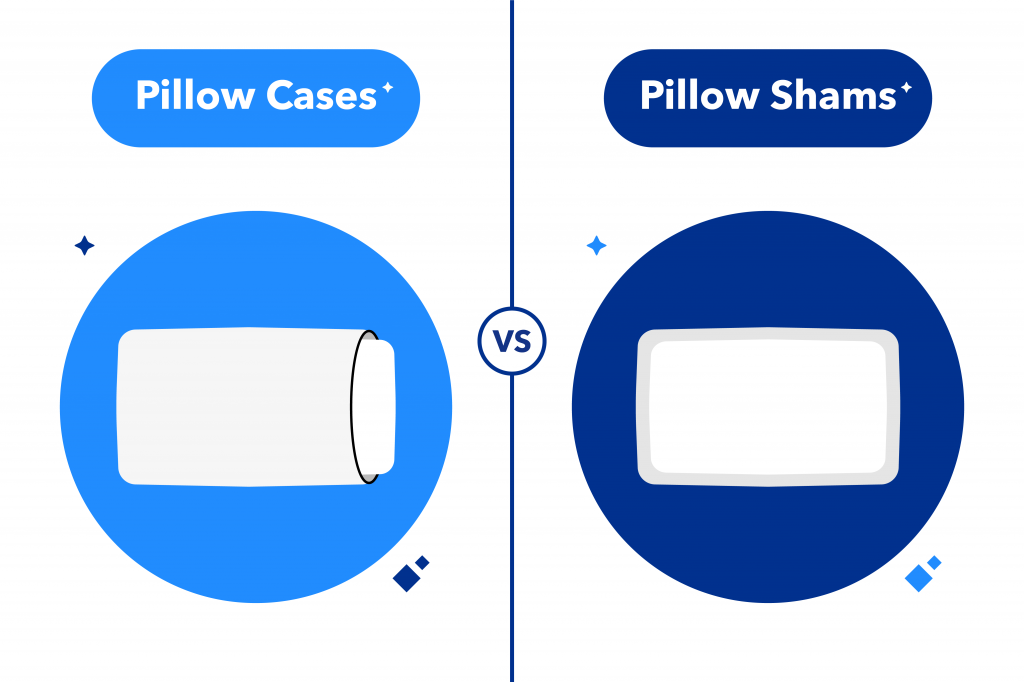
A pillow case is a simple cover you sleep on each night. It protects your pillow from sweat, oil, drool, and makeup. It usually has an open end or a side envelope to hold the pillow in place.
Most pillow cases use soft, breathable fabrics. Common options include cotton percale, cotton sateen, linen, bamboo viscose, and microfiber. You can wash pillow cases often. They are made for daily use and easy care.
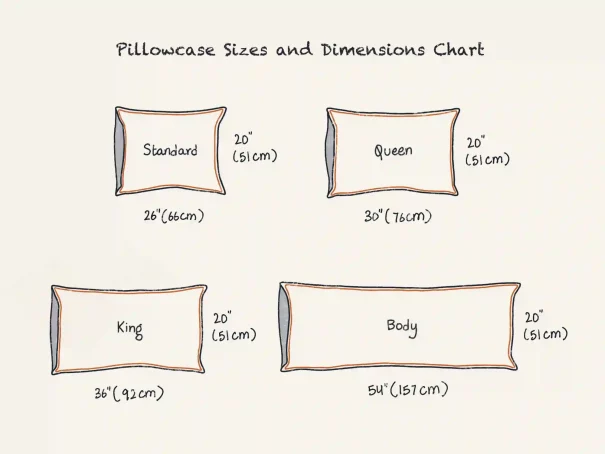
Sizes match sleeping pillows. Standard is about 20 x 26 inches. Queen is about 20 x 30 inches. King is about 20 x 36 inches. Check your brand’s size chart for best fit.
What is a pillow sham?
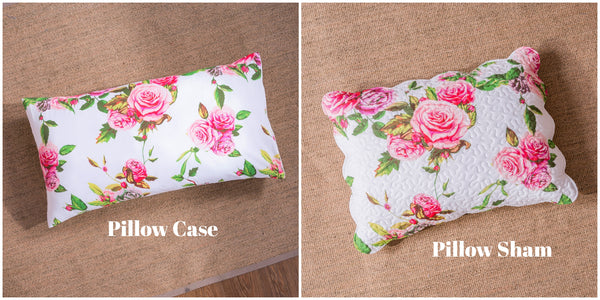
A pillow sham is a decorative cover for pillows. Think of it as a jacket for your bed pillows or for Euro inserts. Many shams have an envelope back, hidden zippers, or ties. You will often see a flange, which is the pretty border around the edge.
Shams dress the bed by adding layers, color, and texture. They are common in sets and can match the duvet. You can use them for light propping while reading. But they are not the main pillow you sleep on.
Shams come in Standard, Queen, King, and Euro sizes. A Euro sham is usually 26 x 26 inches. A flange can add 2 to 3 inches all around.
Pillow sham vs case: the key differences
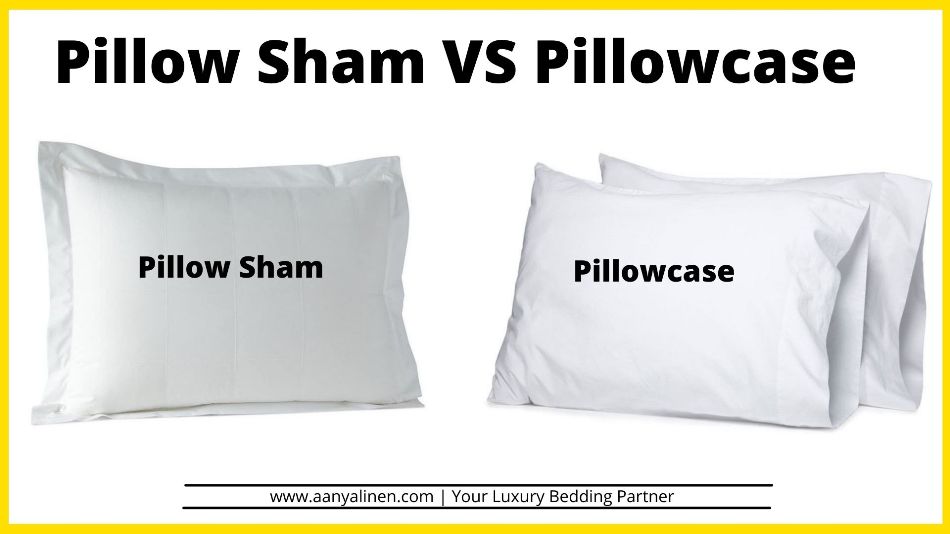
The pillow sham vs case debate comes down to purpose, look, and care. Here is how they differ in a simple way.
- Purpose: Cases are for sleeping and hygiene. Shams are for style and light support.
- Design: Cases have a simple edge. Shams often have a flange, piping, or trims.
- Closures: Cases are open-ended or have a quick envelope. Shams use envelope backs, zippers, or ties.
- Fabric feel: Cases focus on a soft hand. Shams can be textured or quilted.
- Wash routine: Cases go in the wash often. Shams may need gentler care and less frequent washing.
- Placement: Cases stay on the sleeping pillows behind the sham. Shams sit in front for display.
In short, pillow sham vs case is function vs fashion. Use both for a finished bed that also sleeps well.
When to use each
Clients ask me when to pick a sham vs a case. Here is how I guide them.
- Everyday sleep: Use pillow cases in a soft, breathable weave. Wash them often to keep skin clear.
- Guest rooms: Use shams for a neat look. Keep spare pillow cases in the nightstand for comfort.
- Kids’ rooms: Choose durable pillow cases and one pair of shams for a tidy finish. Easy to maintain.
- Allergies: Use a pillow protector under the pillow case. Keep shams for decor only and wash as needed.
- Small spaces: One Euro sham centered on a full bed looks clean. Add two pillow cases behind it.
This approach keeps the bed stylish and practical. It also makes pillow sham vs case choices feel simple.
Materials and weave: what matters most
Fabric affects feel, breathability, and wear. When comparing pillow sham vs case, match the material to the job.
- Cotton percale: Crisp, cool, matte. Great for pillow cases if you sleep hot.
- Cotton sateen: Smooth, a touch lustrous. Cozy and soft for cool sleepers.
- Linen: Airy, strong, lived-in look. Works well for shams and seasonal layering.
- Bamboo viscose: Silky and cool to the touch. Good for sensitive skin in pillow cases.
- Microfiber: Budget friendly and wrinkle resistant. Soft but less breathable for hot sleepers.
For pillow cases, focus on skin feel and airflow. For shams, focus on structure and style. A slightly heavier fabric or a quilted face helps a sham hold shape.

Sizing and fit guide
A good fit makes a big difference. In pillow sham vs case, the right size prevents slouch and gaps.
- Standard case and sham: 20 x 26 inches. Use a standard pillow insert.
- Queen case and sham: 20 x 30 inches. Choose queen pillows for edge-to-edge fill.
- King case and sham: 20 x 36 inches. Great for king beds and wide headboards.
- Euro sham: 26 x 26 inches. Use a 26 x 26 or even 27 x 27 insert for a plump look.
- Body pillow case: 20 x 54 inches. Good for side sleepers or extra support.
Pro tip: For shams, size up the insert by 1 inch if you want a fuller shape. For cases, size true to pillow so the fabric stays smooth.

Styling and layering tips
Here is a simple way to style a queen or king bed while keeping pillow sham vs case clear.
- Start with sleeping pillows in pillow cases. Place them upright against the headboard.
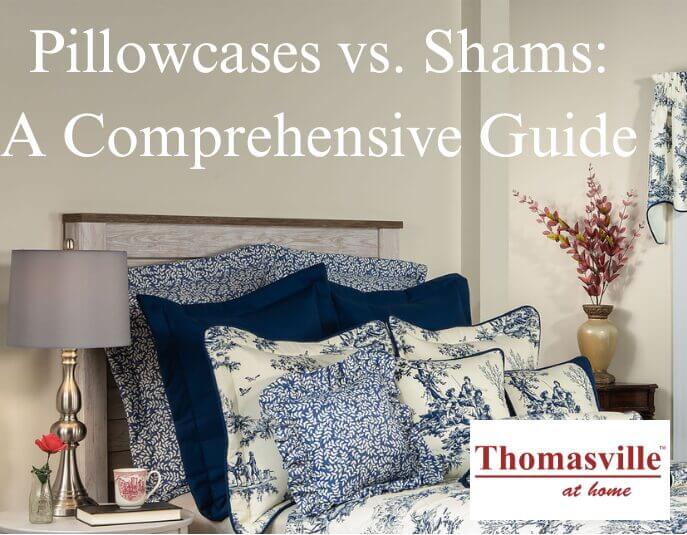
- Add shams in front. Two standard or queen shams for a queen bed. Three Euro shams for a king bed looks luxe.
- Bring in accent pillows. One lumbar or one small square adds focus without clutter.
- Mix textures. Pair a crisp percale case with a linen or quilted sham for depth.
- Keep a color story. Use two or three colors that repeat in the room.
This balance gives a designer look and still makes nightly sleep easy.
Care, cleaning, and hygiene
Clean bedding helps skin and sleep. It is also where pillow sham vs case habits differ.
- Pillow cases: Wash weekly or every three days if you have acne or allergies. Warm or hot water cleans oils and dust well.
- Pillow shams: Wash every two to four weeks if used only for decor. Follow the label for trims, zippers, and quilting.
- Protectors: Use a zippered protector under your case to shield the pillow core. This extends pillow life.
- Drying: Remove while slightly damp to reduce wrinkles. Shake out shams to fluff the corners.
- Rotation: Keep two sets. One on the bed, one in the wash. This keeps care low-stress.
Sleep research shows that regular washing reduces allergens like dust mites. That supports clear skin and easier breathing.

Budget and buying checklist
A smart buy makes pillow sham vs case choices last longer.
- Fiber content: Look for 100% cotton or linen for breathability. Check for blended fibers if you want low wrinkle care.
- Weave and thread count: Percale feels crisp near 200–300 TC. Sateen feels smooth near 300–600 TC. Quality matters more than big numbers.
- Construction: Tight seams, strong stitching, and stable flange edges on shams. Reinforced envelope on cases.
- Closures: Hidden zippers or strong envelopes on shams. Smooth seams that do not scratch your face on cases.
- Standards: Look for safety and chemical standards. This helps reduce harsh finishes on fabric.
- Returns: Check return windows. Test the feel at home with your pillow and light.
Spend more where you touch the fabric most. That means pillow cases first, then shams for design.
Common mistakes to avoid
I see the same errors when people weigh pillow sham vs case. These are easy to fix.
- Using a sham as your main sleep cover. It is not made for skin feel or nightly wash.
- Buying the wrong size. A loose sham slumps. An oversized pillow in a case feels lumpy.
- Ignoring care labels. Trims can warp if washed hot or dried on high.
- Matching everything. A little contrast in texture or color adds life to your bed.
- Skipping protectors. A simple protector extends pillow life and keeps cases fresher.
Small tweaks here save time and money. They also make your bed look like a model.
Real-life examples from the field
When I style a guest room, I use two queen pillows in smooth percale cases. Then I add two matching shams in linen for shape. Guests sleep on the cases. The shams stay crisp for a tidy look.
For a hot sleeper client, I picked breathable pillow cases in cool percale and skipped heavy quilted shams. We used light cotton shams with no thick flange. The bed still looked styled and stayed cool.
In small apartments, a single Euro sham at center with two standard pillows in cases keeps things simple. It looks calm and takes seconds to make each morning.
Pillow sham vs case: which is right for you?
Think about how you live and sleep. That makes the pillow sham vs case choice clear.
- You value easy washing and skin comfort: Choose high-quality pillow cases first.
- You want a hotel look: Add shams to frame the bed and hide sleeping pillows.
- You sleep hot: Go for breathable cases and light shams or fewer layers.
- You have allergies: Use protectors and wash cases often. Keep shams minimal.
Most homes do best with both. Use cases nightly for health. Use shams for style and support.
Frequently Asked Questions of pillow sham vs case
Are pillow shams and pillow cases the same thing?
No. Cases are for nightly sleep and hygiene, while shams are decorative covers. Shams sit in front to style the bed.
Can I sleep on a pillow sham?
You can, but it is not ideal. Shams may have trims and heavier fabric that feel less soft on skin.
How often should I wash pillow cases and shams?
Wash pillow cases weekly, or more if you have acne or allergies. Wash shams every two to four weeks if used only for decor.
What size insert should I use for a sham?
Use a same-size or slightly larger insert for a fuller look. For Euro shams, a 26 x 26 or 27 x 27 insert works well.
Do I need both a pillow sham and a pillow case?
You do not have to, but many people like both. Cases give comfort and hygiene, while shams add style and shape.
What fabrics are best for sensitive skin?
Look for smooth cotton percale or bamboo viscose pillow cases. Keep shams simple, with no rough trims.
Will shams make my bed hotter?
They can if very heavy or quilted. Choose lighter shams or fewer layers if you sleep warm.
Conclusion
When you weigh pillow sham vs case, think function first, then style. Pillow cases protect your pillow and your skin. Pillow shams frame the bed and bring texture and shape. Use both with smart fabric choices, the right sizes, and an easy wash plan.
Try one small change this week. Swap to a breathable pillow case and add one well-fitted sham. You will feel the comfort and see the polish. Want more simple bedroom wins? Subscribe for fresh tips, or leave a comment with your pillow sham vs case questions.
Leave a Reply