Pillow top offers plush surface comfort; memory foam wins for deep contouring and pressure relief.
If you feel torn on pillow top vs memory foam, you are not alone. I test mattresses for a living and help shoppers find a great match. This guide breaks down pillow top vs memory foam with clear facts, simple tests, and real-life tips, so you can sleep better and buy with confidence.
Pillow top vs memory foam: what each one is
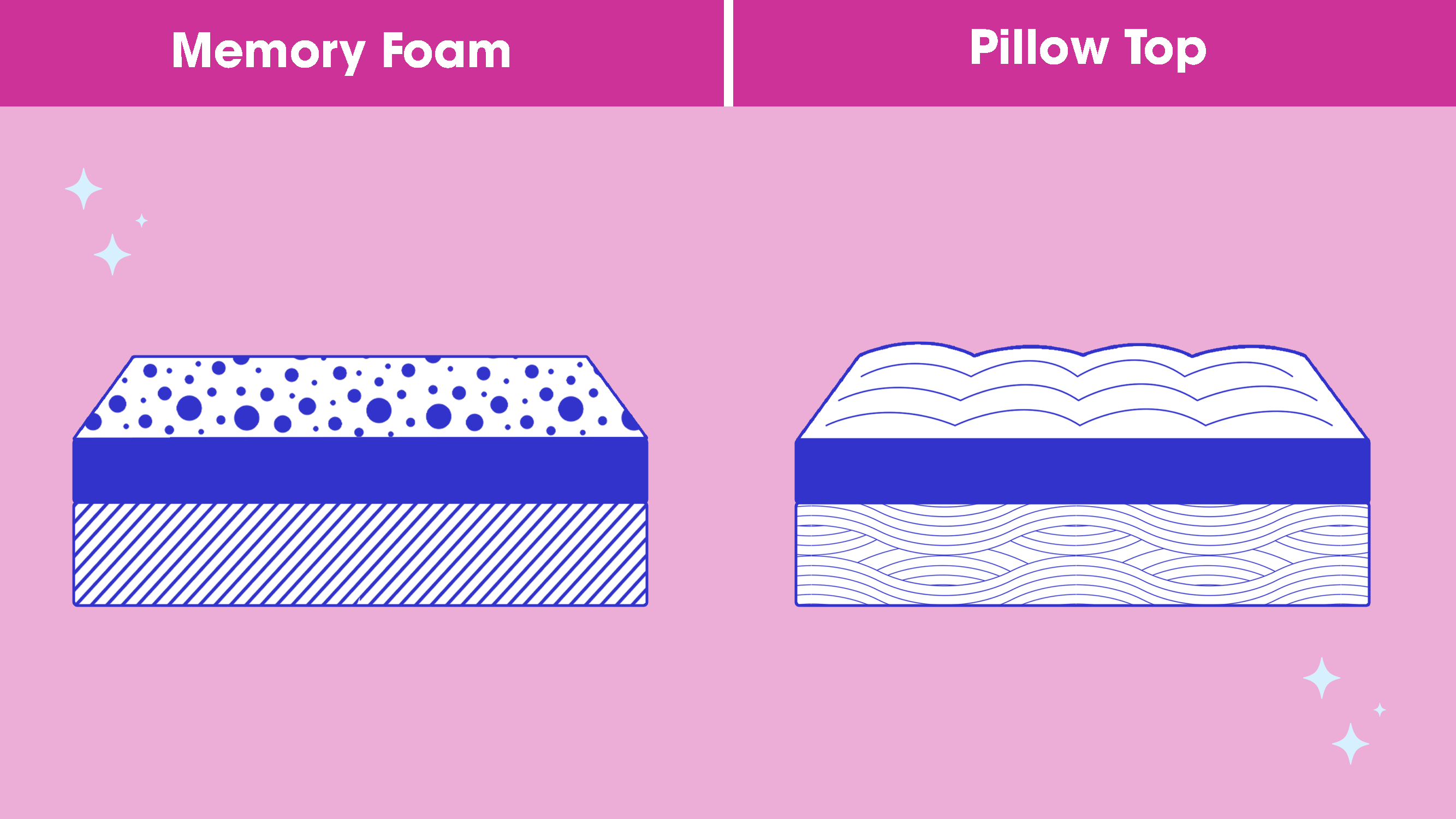
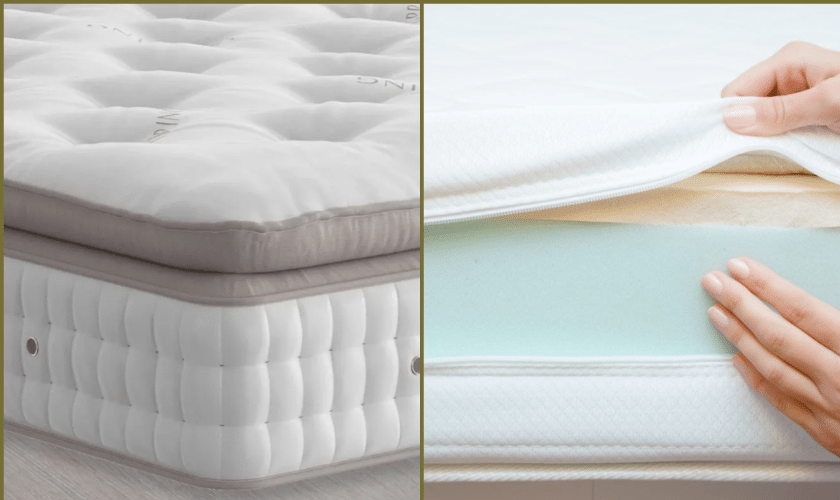
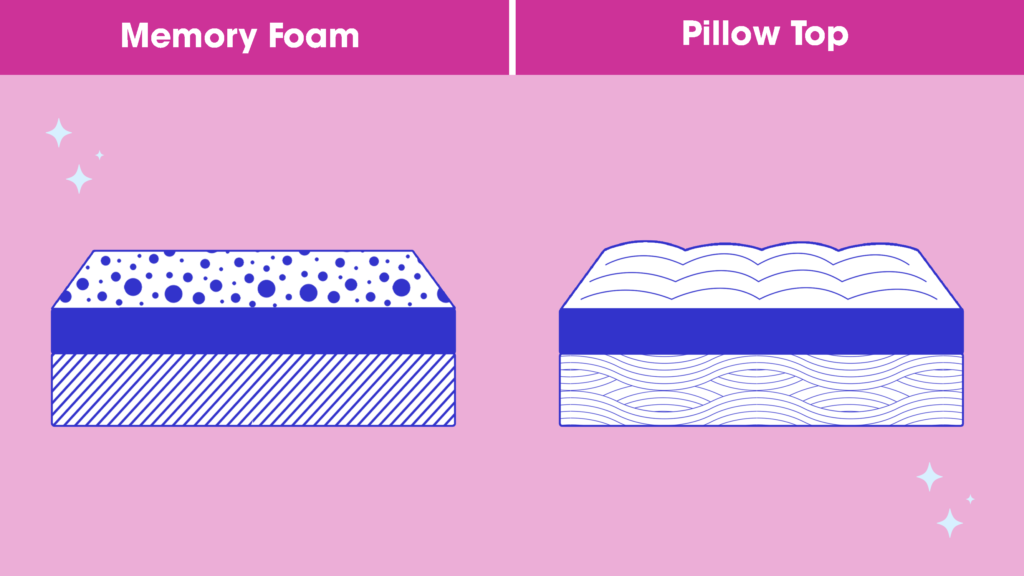
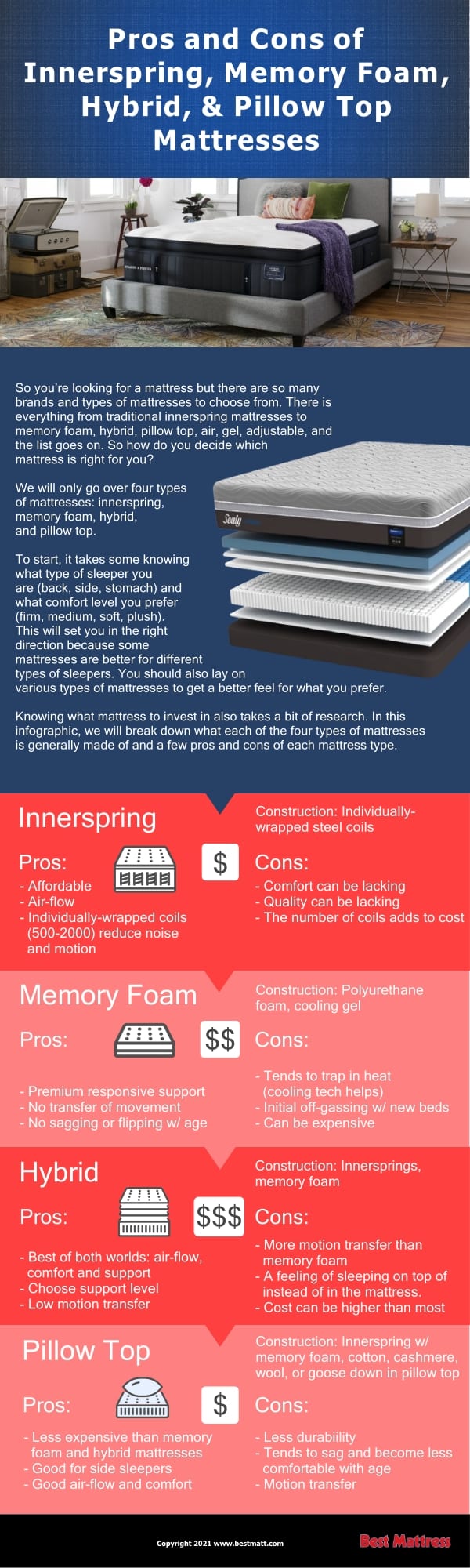
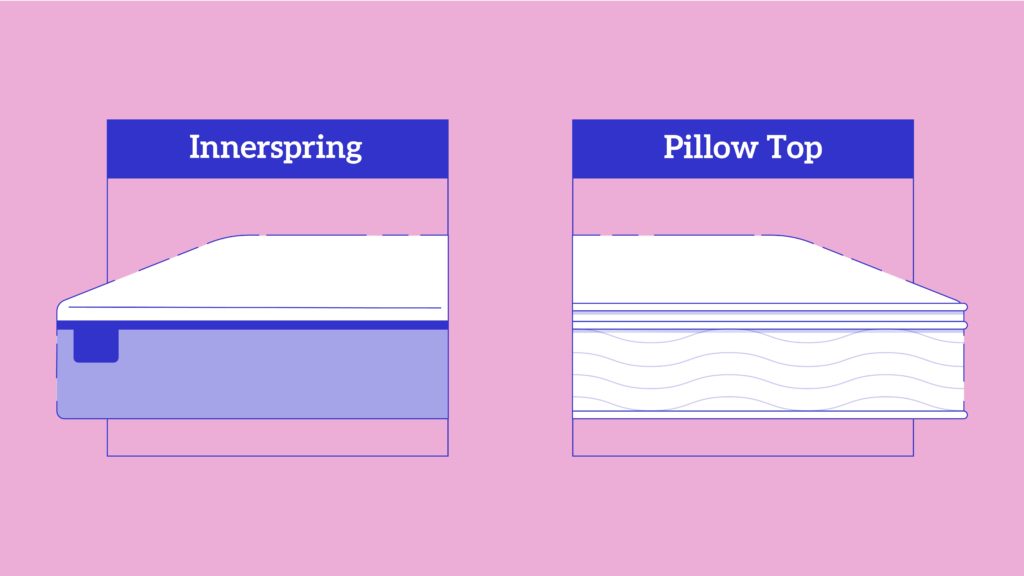
Pillow top is a soft layer, sewn on top of a mattress. It often uses fiber, foam, or latex to add a fluffy feel. You get a cushion on a base of coils or foam.
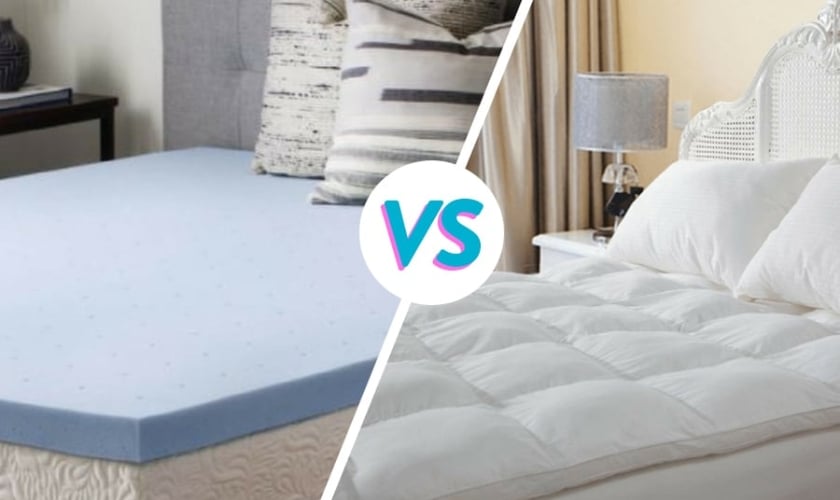
Memory foam is a slow-responding foam. It softens with heat and pressure. It molds to your shape and spreads weight across the surface.
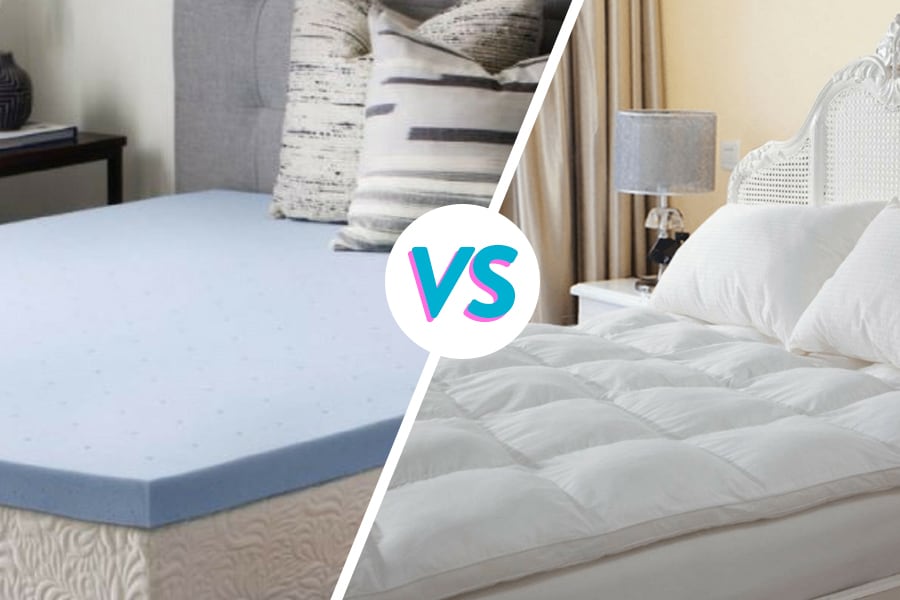
Both can feel cozy. But the build and the goals are different. Pillow tops focus on immediate plush comfort. Memory foam focuses on body contour and steady pressure relief. This is the core of pillow top vs memory foam.
Feel and first impression
Here is how the first 10 seconds feel for most people:
- Pillow top: Soft, cloud-like top. You stay more “on” the bed. Bounce is moderate to high.
- Memory foam: Slow sink that hugs curves. You feel more “in” the bed. Bounce is low.
In my tests with mixed sleepers, pillow top wins for instant comfort. Memory foam wins for deep relief after a few minutes. This shapes the whole pillow top vs memory foam choice.
Pressure relief and spinal alignment
Pressure points matter at shoulders and hips. They also matter at the lower back.
- Memory foam spreads weight very well. Side sleepers see big gains at the shoulder.
- Pillow top adds a plush buffer. But if the foam below is firm, hips may not sink enough.
If you have sore joints or a tender back, memory foam often helps more. If you like a soft top but still want a stable feel, a pillow top can work. In pillow top vs memory foam tests, side sleepers often lean memory foam; back sleepers are split; some stomach sleepers prefer a firmer pillow top over softer foam.
Temperature and breathability
Heat build-up is a real concern.
- Pillow top: Air can flow through fibers and coils below. Many people sleep cooler.
- Memory foam: Classic foam can trap heat. New foams add gel, graphite, or open cells to improve airflow.
I run a simple heat-retention test with a warm pack. Most pillow top coil beds cool down faster. Newer foams narrow the gap. If you run hot, note fabric, covers with phase-change, and airflow channels. In pillow top vs memory foam checks, cooling tech can be the tie-breaker.

Motion isolation and edge support
If you share a bed, these two factors matter a lot.
- Motion isolation: Memory foam is the winner. It absorbs waves so a partner moves less.
- Edge support: Many pillow tops on coil systems hold the edge better. You sit and get out of bed with less dip.
Couples often prefer memory foam for sleep and pillow top for sitting and lounging. Think about your nightly routine. In pillow top vs memory foam, your lifestyle can point to the right pick.
Durability and sagging risk
No mattress lasts forever, but build quality helps.
- Pillow top: The fluffy layer can compress over time. Look for high-density foams and tufting.
- Memory foam: Density matters. Foams around 3–5 lb per cubic foot often last longer than very light foams.
Rotate your mattress a few times a year. Use a stable base. In my follow-ups with clients, mid-range and higher-density memory foam holds shape longer. Premium pillow tops with better quilting also age well. In pillow top vs memory foam, check materials, not just brand names.
Materials, allergies, and safety
Sensitive skin and allergies need care.
- Pillow top: Often blends fiber, foam, and sometimes wool. Natural fiber options exist.
- Memory foam: Synthetic foam with additives. Look for low VOC and third-party safety testing.
Seek certifications that limit harmful emissions. Washable covers help. If you are sensitive to smells, air the mattress out. In pillow top vs memory foam, both can be safe when tested and certified.

Price and value
Expect a wide price range in both types.
- Pillow top: Entry-level can feel great at first but may compress faster.
- Memory foam: Budget foam may sleep hot and soften early. Mid-range often gives better value.
Think cost per year, not just sticker price. Add the value of better sleep. For many, a durable mid-range foam or a well-made pillow top gives the best return. In pillow top vs memory foam math, value wins over flash.
Who should choose which?
Use this quick guide based on feel and sleep style.
- Choose pillow top if you want a plush, airy surface. You like more bounce. You sleep cool and love a classic hotel-bed feel.
- Choose memory foam if you want strong pressure relief. You share a bed and need low motion transfer. You have nagging joint pain.
I have seen side sleepers thrive on memory foam, especially at the shoulder. Many back and combo sleepers enjoy a balanced pillow top over coils. Stomach sleepers often do best on a firmer option in either group. In pillow top vs memory foam, your body and sleep habits lead the way.
How to test in-store and online
Try these simple steps. They save time and reduce returns.
- Lie for at least 15 minutes in your normal sleep position.
- Check shoulder and hip comfort. Look for even contact and no sharp pressure.
- Roll near the edge to test support when sitting and getting out.
- If shopping online, read real user reviews that match your body type and sleep style.
- Use sleep trials. Keep notes for the first 30 nights.
I ask clients to rate pain on waking from 1–10. After a week, patterns show. This method works well for pillow top vs memory foam choices.
Care, maintenance, and warranties
Good care boosts lifespan and comfort.
- Rotate every 1–3 months for the first year, then twice a year.
- Use a breathable protector to block spills and dust.
- Check your base. Slats should be close and firm.
- Monitor impressions with a ruler. Know your warranty’s body impression limits.
These steps help with both pillow top and memory foam. In pillow top vs memory foam ownership, small habits pay off.
Common myths to avoid
Let’s clear the air.
- All memory foam sleeps hot. New foams with better airflow can sleep neutral.
- Pillow top always means luxury. Some cheap models flatten fast.
- Firmer is always better for back pain. Support plus pressure relief is the key.
- Higher price always means longer life. Materials and build matter more.
- You cannot move on memory foam. Some medium foams allow easy movement.
Knowing these myths keeps pillow top vs memory foam choices simple and true to your needs.
Frequently Asked Questions of pillow top vs memory foam
Is pillow top better than memory foam for side sleepers?
Memory foam usually gives better shoulder and hip relief for side sleepers. A soft to medium foam often balances comfort and support.
Do pillow top mattresses sag faster?
Low-quality pillow tops can compress early. Look for high-density foams and better quilting to slow wear.
Which sleeps cooler: pillow top or memory foam?
Pillow tops often sleep cooler due to airflow through fibers and coils. Many modern foams now add cooling tech to reduce heat.
Is memory foam good for back pain?
Yes, many people find relief due to even weight spread and lumbar support. Choose the right firmness to keep the spine aligned.
Can I flip a pillow top or memory foam mattress?
Most modern mattresses are one-sided. Rotate instead of flipping to help even out wear.
How long do these mattresses last?
A good memory foam or quality pillow top often lasts 7–10 years. Lifespan depends on materials, body weight, and care.
Are there eco-friendly options?
Yes. Some pillow tops use natural fibers or latex. Some foams use plant-based blends and low-VOC standards.
Conclusion
Pillow top vs memory foam comes down to feel, support, and your sleep habits. Pillow tops give instant plush comfort and airy bounce. Memory foam offers deep contouring, strong pressure relief, and great motion control. Match the build to your body, your heat needs, and your partner’s sleep.
Try the tests above, use a trial, and keep a simple sleep log. Your best mattress is the one you forget about at night and feel in the morning. Ready to decide? Explore trusted models, compare specs, and share your questions or experiences in the comments.
Leave a Reply