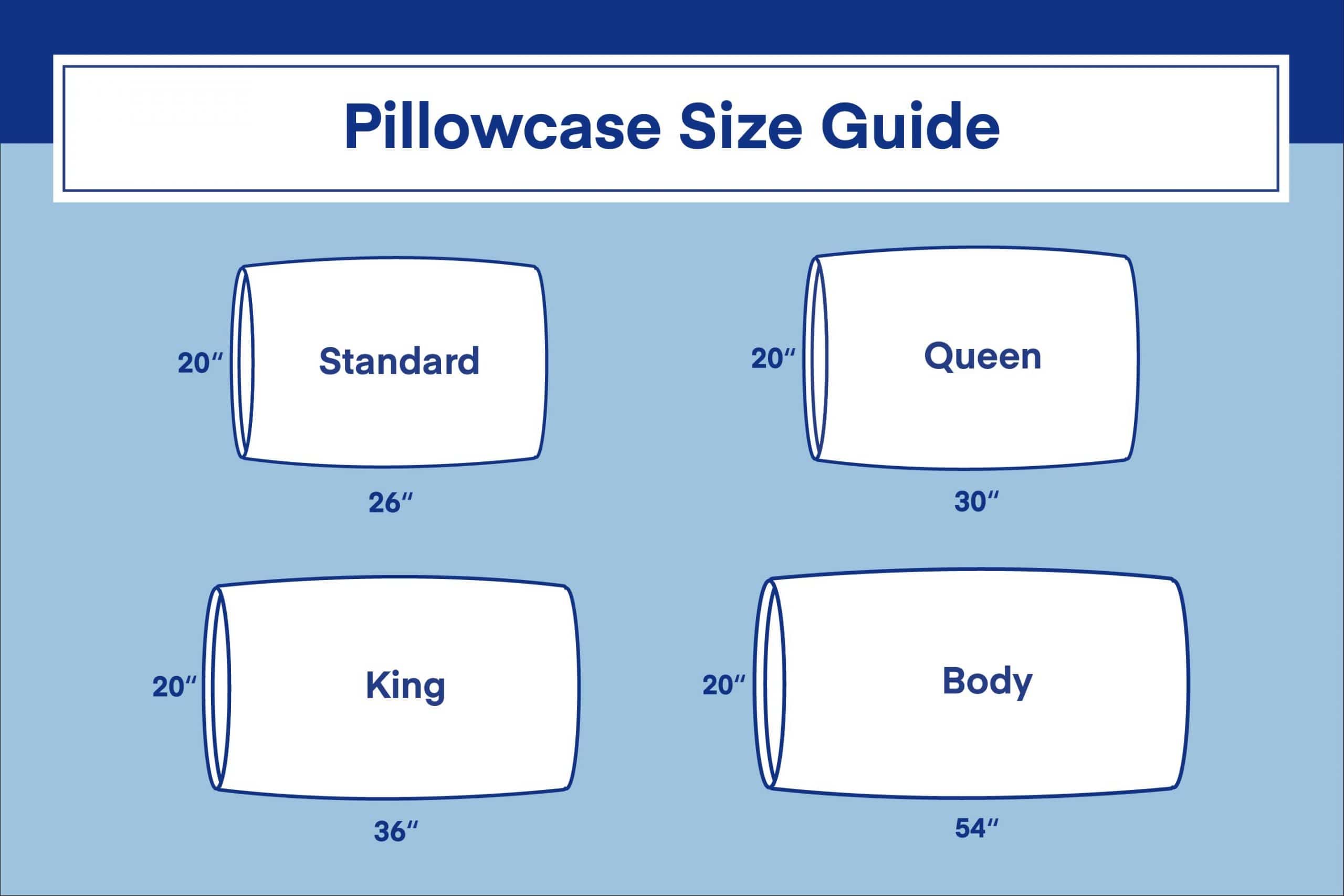
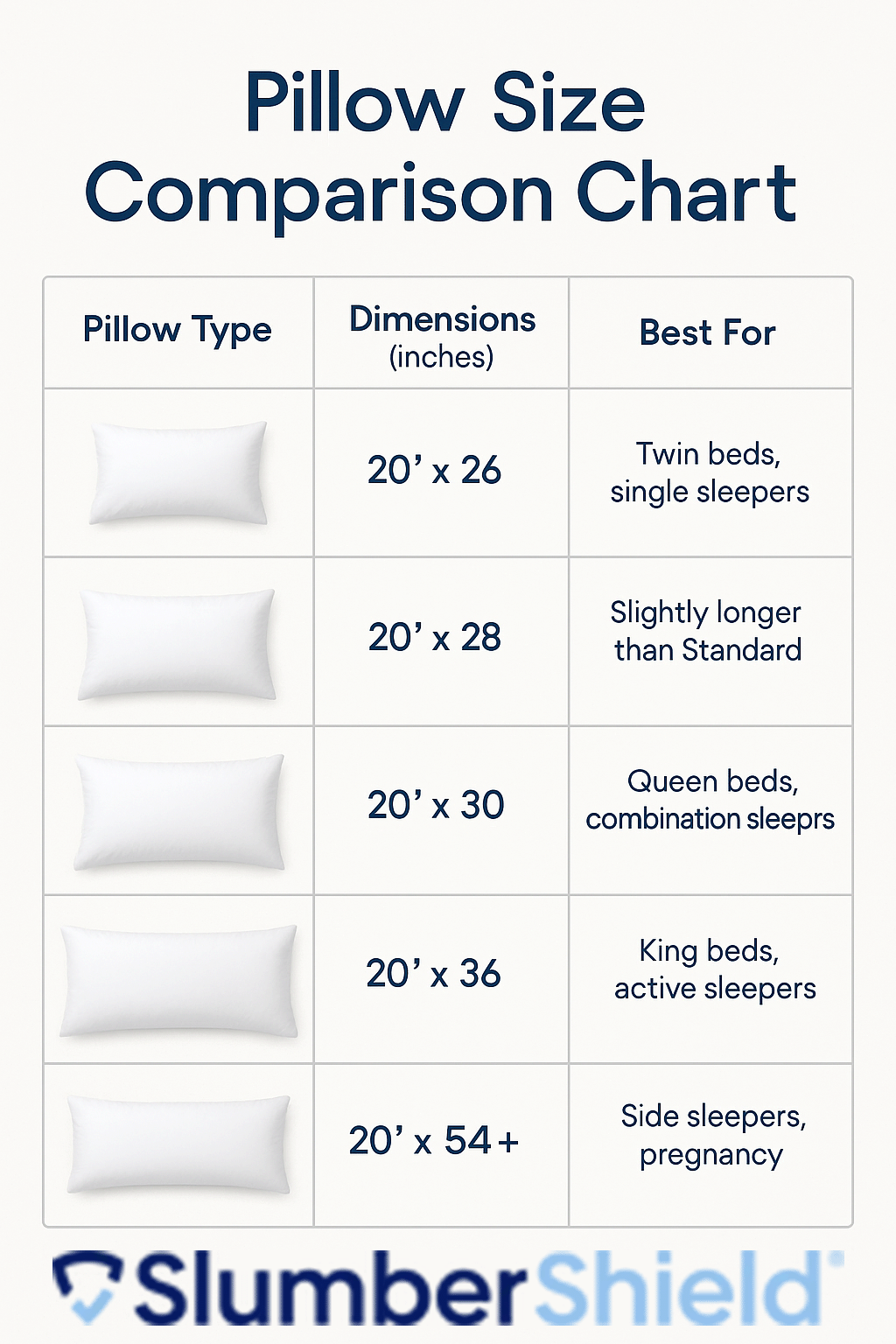
Queen pillows are 20×30 inches; king pillows are 20×36, six inches longer.
If you are torn on queen vs king pillow, you are not alone. I have helped hundreds of sleepers choose the right size, and the best pick often comes down to your bed width, your sleep position, and how much you toss at night. This guide breaks down queen vs king pillow with real-world tips, expert insights, and simple steps so you can sleep better tonight.
Queen vs King Pillow Sizes and What They Mean
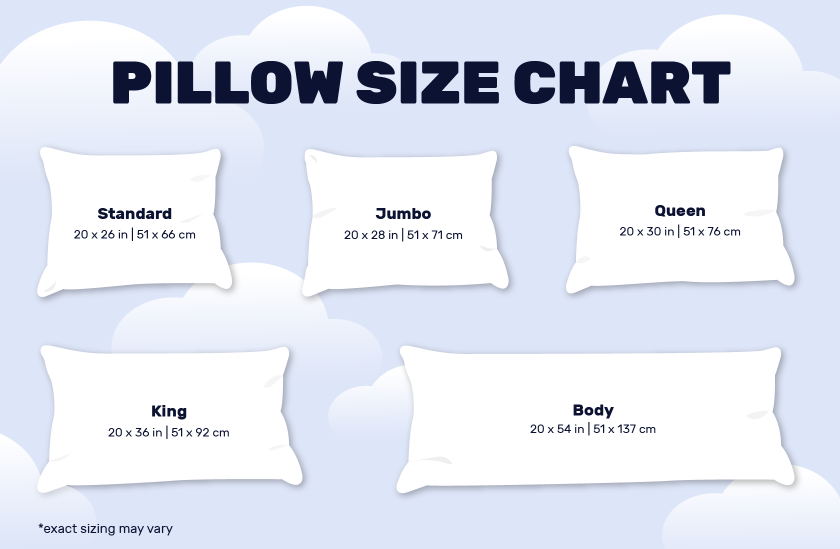
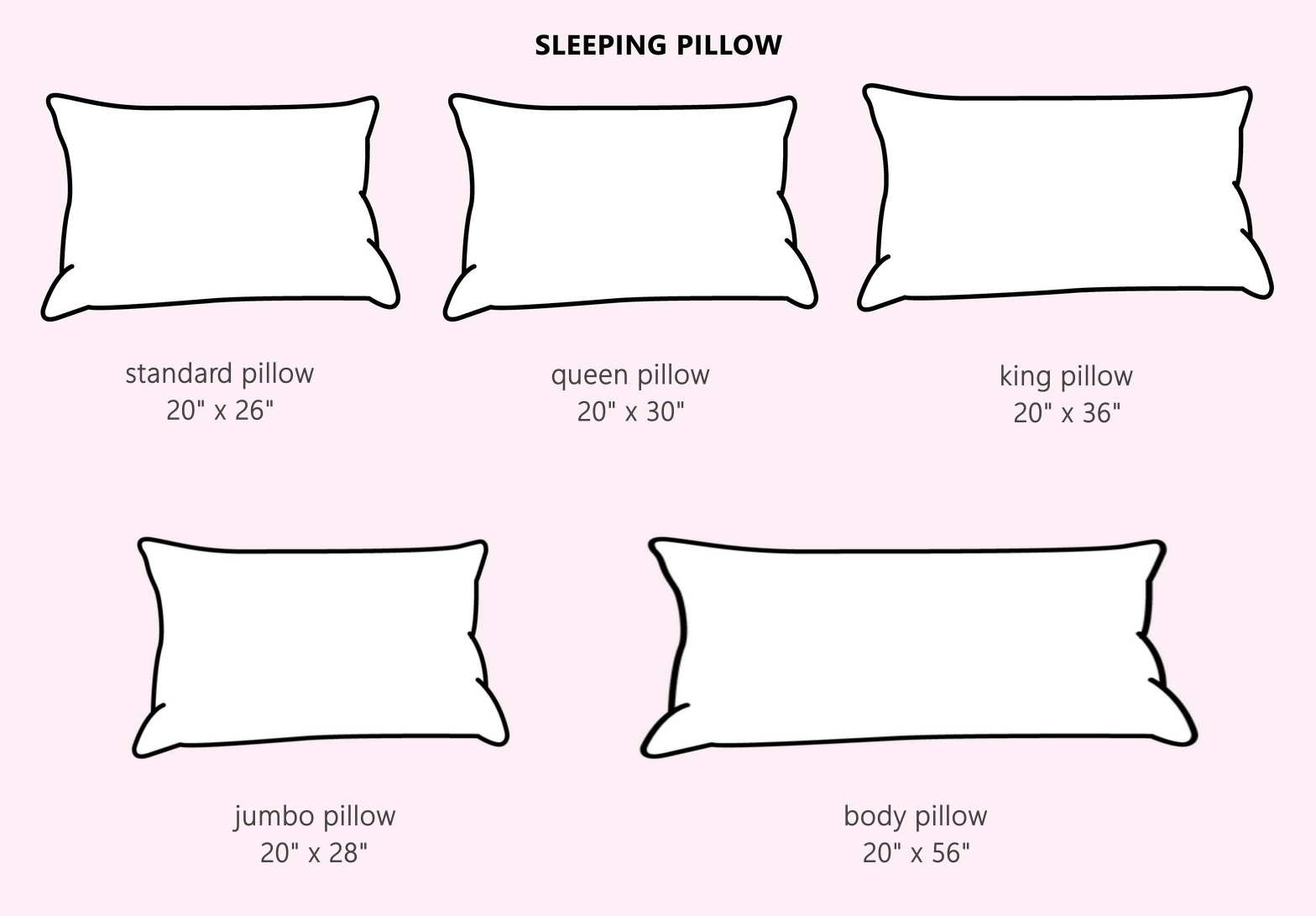
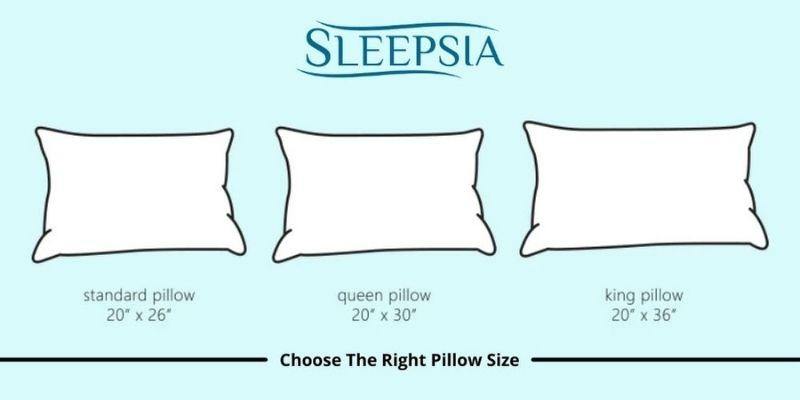
When people compare queen vs king pillow, size is the first factor to check. Most brands follow these common dimensions:
- Queen pillow: 20 x 30 inches
- King pillow: 20 x 36 inches
- Standard pillow (for context): 20 x 26 inches
What does that extra six inches on a king do? It gives more lateral space. That means more room if you roll side to side. The height is the same, so neck support depends more on fill and loft than on size.
Pillowcases follow these sizes, too. Queen cases fit queen pillows. King cases fit king pillows and sometimes feel loose on smaller pillows. Look for snug cases to avoid slack fabric that bunches.
Industry size charts and bedding standards align with these numbers. You will find small brand-to-brand swings, but not by much. If you mix brands, always check the listed size before you buy.

Queen vs King Pillow Fit by Mattress Size
The queen vs king pillow debate shifts when you consider bed width. Here is a quick fit overview:
- Twin or Twin XL: One queen pillow looks full. One king pillow can hang off the edge.
- Full: One or two queen pillows fit well. Two king pillows may look crowded.
- Queen mattress: Two queen pillows sit edge to edge and look balanced. Two king pillows feel wide and plush.
- King or California King: Two king pillows match the bed width best. Two queen pillows can look small unless you add Euro shams.
A queen pillow keeps a neat, hotel-like line on queen beds. A king pillow fills space on wide beds and gives a luxe, lounge feel. Many stylists use king pillows on king beds for that reason.
Comfort First: Sleep Position, Shoulder Width, and Movement
Comfort wins the queen vs king pillow choice. Think about how you sleep:
- Side sleepers: If you have broad shoulders or you roll a lot, a king pillow can catch your movement. The longer length keeps your head on the pillow.
- Back sleepers: Both sizes work. Focus on loft and neck curve. Size matters less than support.
- Stomach sleepers: Use the flattest pillow you can find. Size is less key than low loft to keep your neck neutral.
From my client work, restless sleepers prefer king for the extra landing zone. Still, the loft, fill, and shape decide your neck comfort. Sleep studies show neutral neck alignment reduces morning pain and snoring. Size helps with space, not height.

Fill, Loft, and Firmness: How Size Changes the Feel
In the queen vs king pillow choice, fill type shapes your experience:
- Down or down alternative: Soft, squishy, easy to shape. In king size, it can spread out more, so consider medium fill to keep support.
- Memory foam solid: Height is fixed. Great if you want steady neck support. Choose size based on bed and movement.
- Shredded foam or latex: Adjustable and breathable. In king size, adjust fill so it does not pancake.
- Latex solid: Buoyant and supportive. Works well for side and back sleepers who want lift.
Tip from the field: When clients switch from queen to king, they often need a touch more fill to keep the same loft feel. Otherwise, the longer pillow can feel flatter across the center.
Style and Aesthetics: The Look on Your Bed
The queen vs king pillow decision also affects your room style:
- Queen pillows create a tidy, tailored line on queen beds.
- King pillows make a bold, oversized look, great for modern rooms.
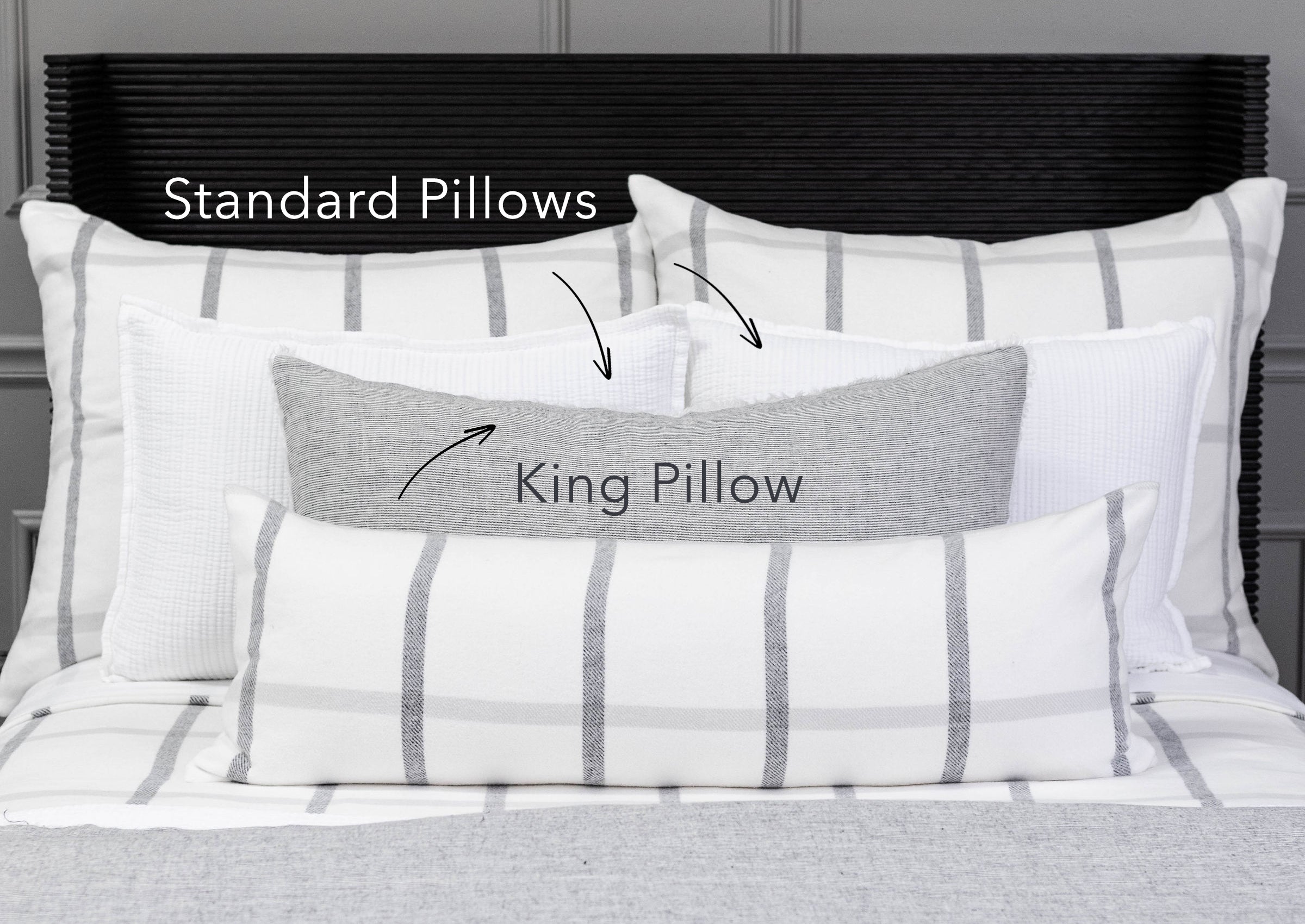
- Shams and layering: Two king pillows plus two Euro shams (26 x 26) give that magazine-ready stack on a king bed.
- Sofa-style lounging: King pillows act like mini bolsters for reading or streaming in bed.
If you like a crisp, minimal look, queen is clean. If you love plush layers, king brings drama and comfort.
Budget, Care, and Practical Details
Small details can tip queen vs king pillow one way:
- Cost: King pillows and cases cost more. Not a lot, but it adds up with sets.
- Washing and drying: King inserts are larger and can stress small washers. Check your machine size and the care tag.
- Travel and storage: Queen pillows fit duffels and linen closets better. King pillows take more space.
- Availability: Queen pillowcases are easy to find in any store. King cases are common but colors can sell out faster.
If you rotate and wash often, queen may be simpler. If you value bed presence and comfort while lounging, king wins.
Real-Life Scenarios: What Works Best
Here is how queen vs king pillow plays out in daily life:
- Couple on a queen bed: Two queen pillows feel balanced. You can add a long lumbar for style without crowding.
- Tall side sleeper on a king bed: Two king pillows pair best with the bed width. The longer length keeps the shoulder and head supported through the night.
- Guest room full bed: One queen pillow per sleeper is easy and neat. If you host families, keep one king pillow for readers who like extra back support.
- Kids and teens: Queen pillows are flexible and easier to wash. They also fit better on twin and full beds.
From my own home, I use queen pillows on the guest queen bed for a clean look and easy care. On my main king bed, I use king pillows for reading and side sleep comfort. That mix has cut down on morning neck tightness.
How to Choose: A Simple Decision Checklist
Use this quick list to pick your side in the queen vs king pillow debate:
- Match the bed: Queen pillow for full and queen beds; king pillow for king and Cal king.
- Check your sleep style: King for restless or broad-shouldered side sleepers; either size for back sleepers; low-loft queen for stomach sleepers.
- Confirm loft: Your neck height matters more than size. Align nose and chin level.
- Think laundry: Can your washer handle king inserts?
- Test pillowcases: Get snug cases that match the pillow size to avoid bunching.
- Plan your look: Minimal and neat points to queen. Plush and lounge-ready points to king.
If you are still unsure, start with queen. It fits more beds, costs less, and is easy to care for.

Mistakes to Avoid and Pro Tips
Avoid these common traps in the queen vs king pillow choice:
- Buying by size only: Loft and firmness make or break neck comfort.
- Using king cases on queen pillows: This leaves extra fabric that bunches and shifts at night.
- Ignoring shoulder width: Side sleepers need enough loft to fill the gap from ear to shoulder.
- Skipping adjustments: Shredded fills often need fluffing or a little extra fill to keep support.
- Overstuffing: A pillow that is too tall can tilt your neck up and cause pain.
Pro tips:
- Do the wall test: Stand against a wall and note your neck curve. Pick a pillow loft that keeps your head straight, not tilted.
- Check morning signs: If you wake with a stiff neck, try a different loft before changing size.
- Replace timing: Most synthetic pillows last 1–2 years. Latex and high-quality down last longer with care.
Frequently Asked Questions About Queen vs King Pillow
Is a king pillow better than a queen pillow?
Not always. A king pillow gives more width for restless sleepers and wider beds, but neck support depends on loft and fill, not size.
Do king pillows fit on a queen bed?
They fit, but they may look wide and touch the headboard. Many people prefer two queen pillows for a balanced look on a queen bed.
What pillowcases do I need for a queen vs king pillow?
Use queen pillowcases for queen pillows and king pillowcases for king pillows. A snug case prevents shifting and bunching.
Will a larger pillow fix neck pain?
Size helps with space, but pain relief comes from proper loft and support. Choose a pillow height that keeps your neck neutral.
How many pillows should I use on a king bed?
Two king pillows are common for sleep. Add two Euro shams for style and back support when reading.
Are queen vs king pillow sizes standard across brands?
Most brands follow 20×30 for queen and 20×36 for king. Always check the label, as some sizes vary by one to two inches.
Conclusion
The queen vs king pillow choice is simple when you match bed width, sleep position, and loft. Queen pillows are neat, versatile, and budget-friendly. King pillows bring extra space for movement and a luxe look on wider beds. Pick the size that fits your space, then dial in loft for your neck.
Try one change tonight. Swap size or adjust loft, and track how you feel in the morning. If this guide helped, share it with a friend, subscribe for more sleep tips, or leave a comment with your experience.
Leave a Reply