Queen pillows are 20×30 inches; King pillows are 20×36 inches, six inches longer.
If you’re torn between queen and king pillow sizes, you’re not alone. I’ve guided many shoppers through the queen vs king pillow size choice, and small details make a big difference. In this guide, I’ll break down real dimensions, how each size fits your bed, comfort factors, and what I’ve learned from testing both in real homes. Stick with me, and you’ll feel confident about the queen vs king pillow size that suits your sleep and your space.
What are the standard pillow dimensions?
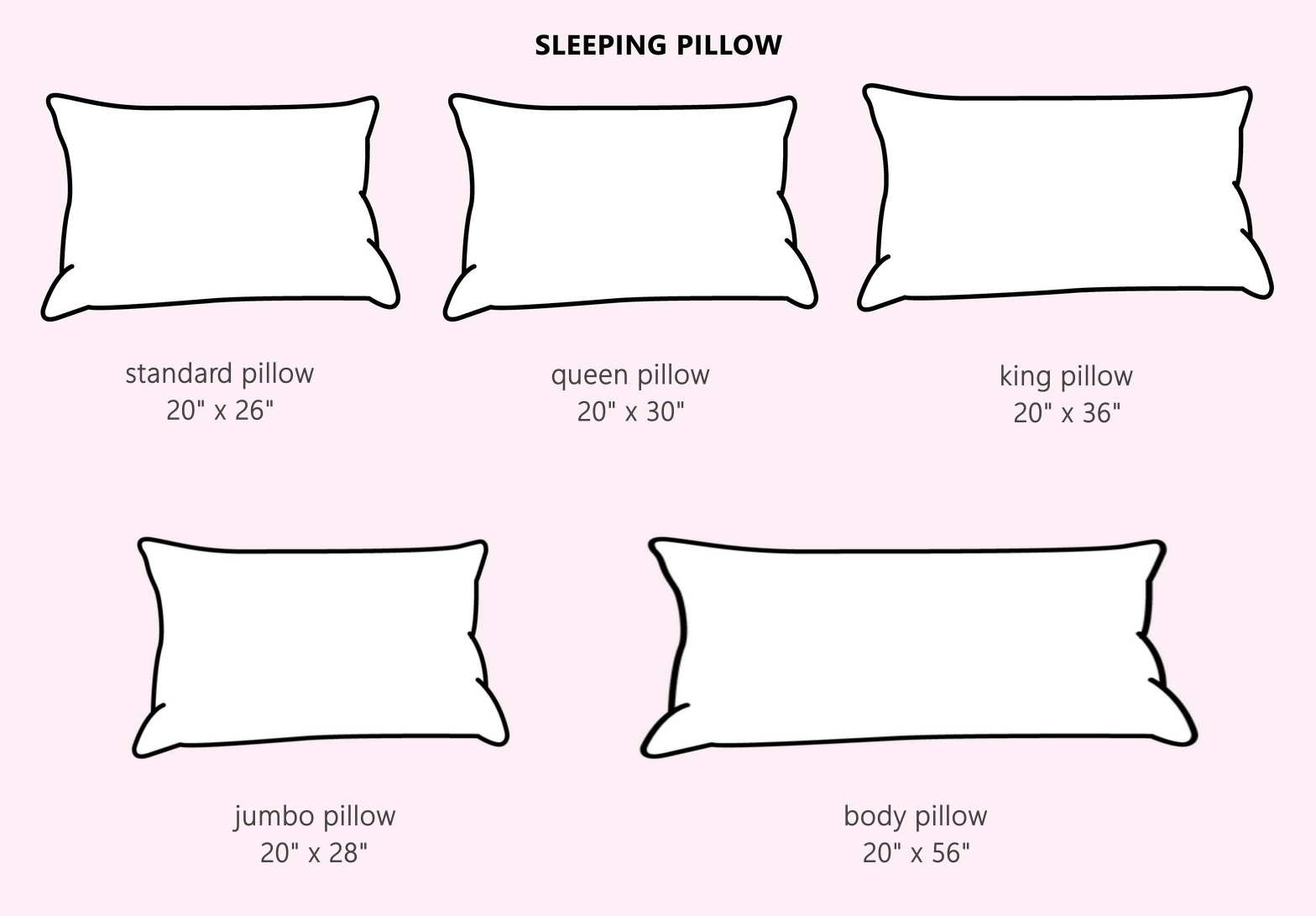
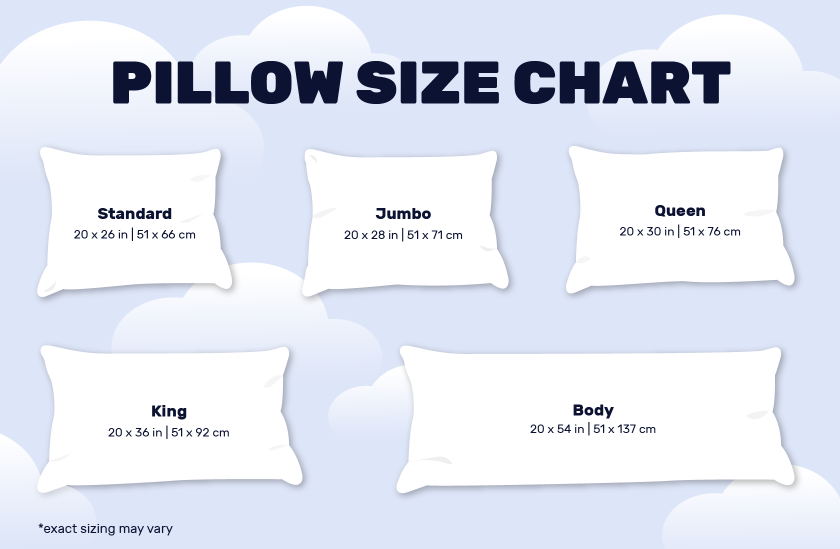
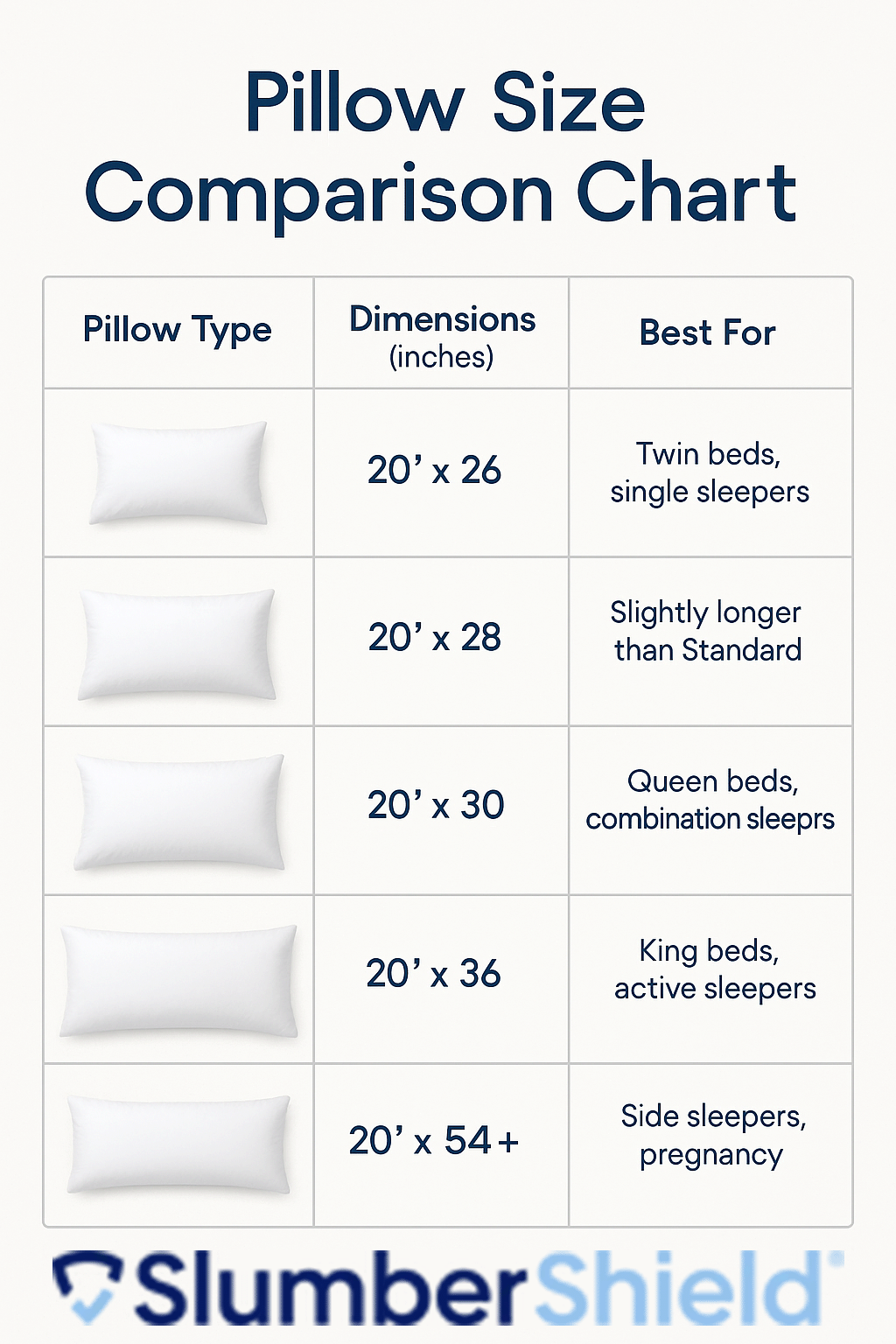
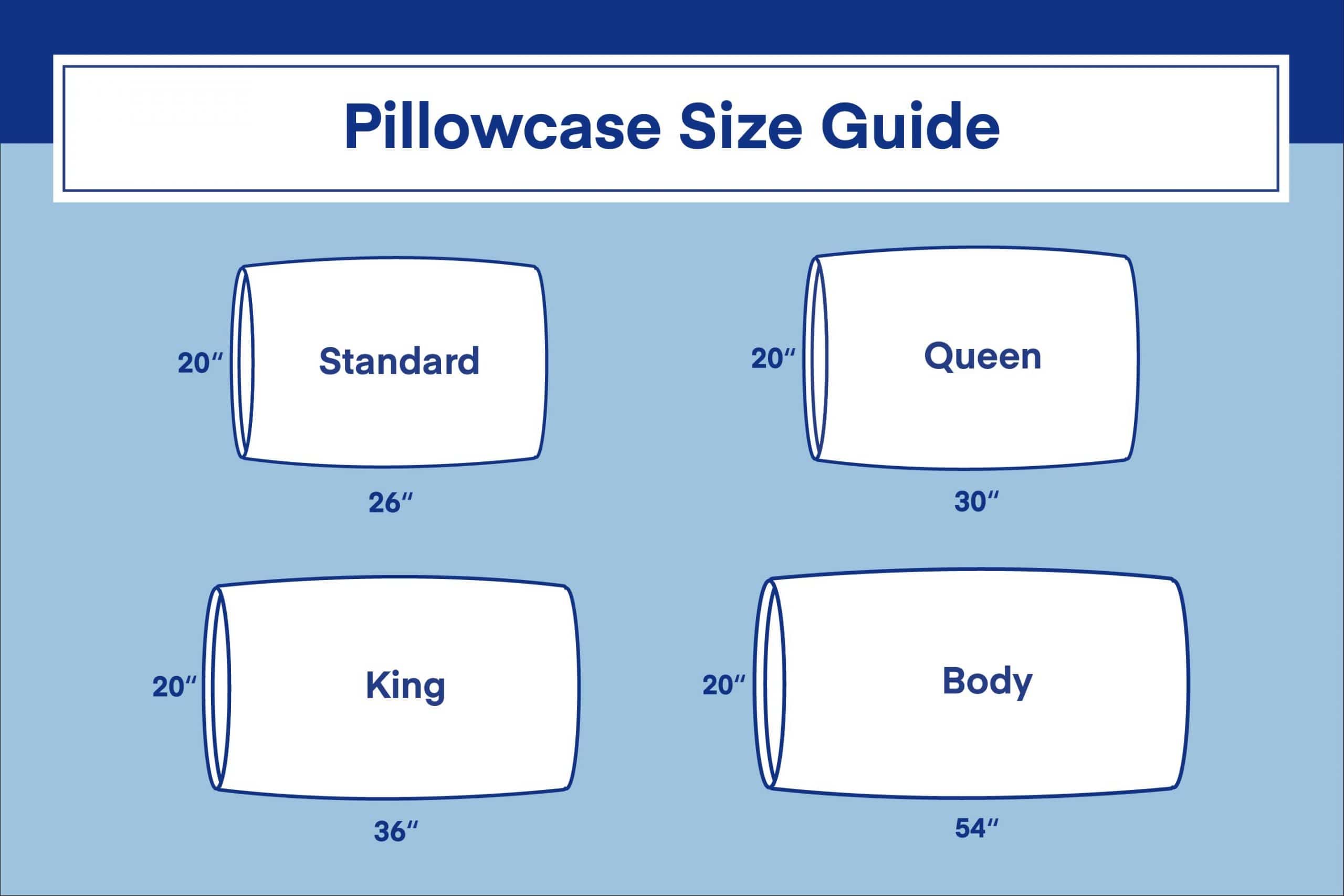
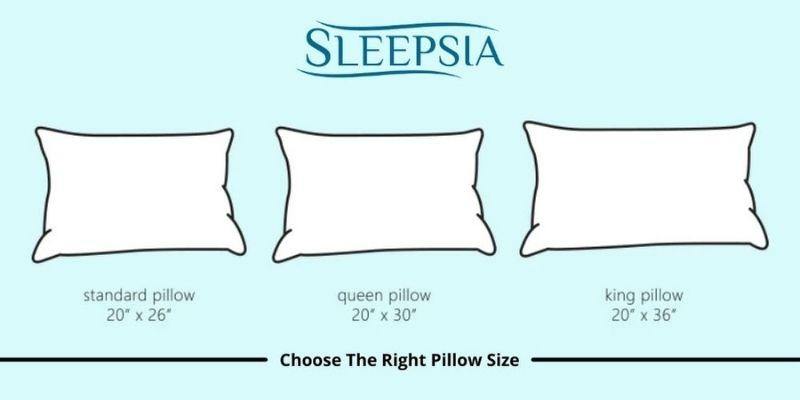
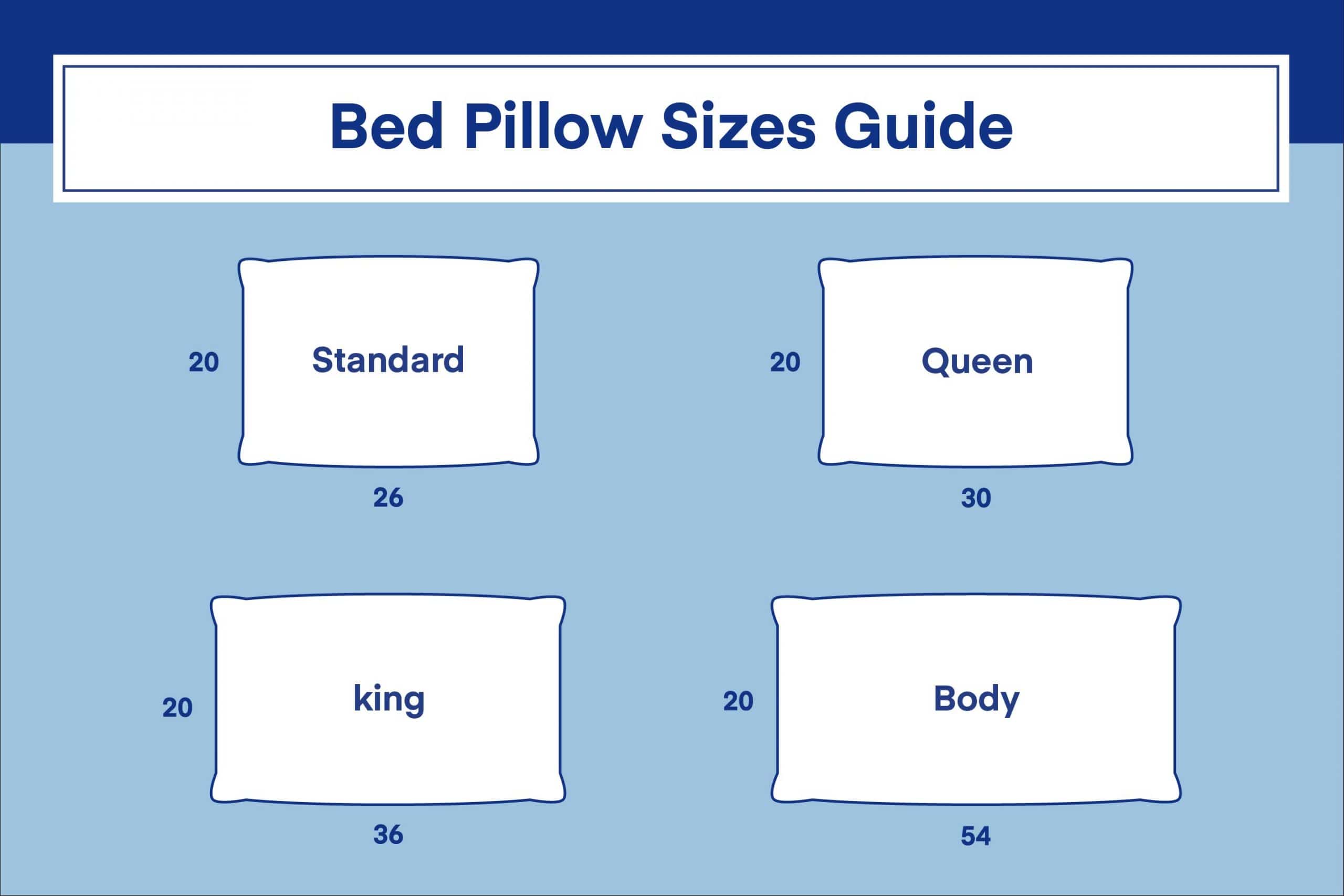
In the US, pillow sizes follow common standards. Queen pillows measure 20×30 inches (about 51×76 cm). King pillows measure 20×36 inches (about 51×92 cm). That extra six inches on a king pillow changes both look and feel.
Widths are the same. The difference is length. Brands may vary by about one inch. Always check tags or product pages for exact size.
For context, standard pillows are 20×26 inches. Many people compare all three to choose the best fit. This helps when matching pillowcases and shams.
These numbers are the base for the queen vs king pillow size decision. Use them to plan your bedding layout.
How each size fits on every bed
Your bed width guides which size looks and feels right. Here is how queen vs king pillow size plays out on common beds.
- Twin or Twin XL (38–39 inches wide): One queen pillow feels roomy without spillover. One king pillow feels long and can hang past the side for restless sleepers.
- Full (54 inches wide): Two queen pillows look balanced with a small gap. Two king pillows look crowded and push into each other.
- Queen bed (60 inches wide): Two queen pillows are the sweet spot. The small center gap looks neat and sleeps well. Two king pillows can fill the width edge to edge and may look bulky.
- King or California King (76–72 inches wide): Two king pillows match the scale and look tailored. Three standard or three queen pillows also work for a layered look.
- Daybed or guest bed: One queen pillow keeps it tidy by day and comfy by night. King can feel oversized in small rooms.
From my testing, two queen pillows on a queen bed feel relaxed and easy to fluff. Two king pillows on a king bed create a hotel look with clean lines.

Comfort and support: does size change feel?
Size affects how a pillow acts in bed, but support still comes from fill and loft. The queen vs king pillow size choice changes surface area and how often you shift, not firmness or height by itself.
- Side sleepers: A king pillow gives more room for shoulder width and hugging. Pair with a medium or high loft for neck support.
- Back sleepers: Many prefer queen for a snug feel that cradles the neck. Go for medium loft, shaped or contoured if you run hot.
- Stomach sleepers: A soft, low loft queen pillow reduces neck bend. Size is less key than keeping it thin.
- Combination sleepers: King helps when you toss and turn. You stay on the pillow surface as you move.
In my own bed tests, I like a king pillow for side sleeping. I can hug the end and keep my shoulder off the mattress. For back sleeping, I swap to a queen for better neck alignment and less chin tilt.
Pillowcases, shams, and style
Pillowcases change the look and the feel. Queen pillows often fit in standard or queen pillowcases. King pillows need king pillowcases for a smooth finish.
- Standard pillowcase: Fits standard and many queen pillows, but may feel tight on thick foam. Check seam stress after washing.
- Queen pillowcase: Best match for queen pillows, neat with less bunching.
- King pillowcase: Designed for king pillows, prevents overhang and bunching at the ends.
- Euro shams (26×26 inches): Add height and style behind your sleep pillows on queen and king beds.
For a clean hotel look on a king bed, use two king pillows with king pillowcases and two Euro shams behind them. On a queen bed, two queen pillows and two Euro shams feel balanced and not heavy.

When to choose queen vs king pillow size
Here is how I guide clients when they ask about queen vs king pillow size in real life.
Choose queen pillow size if:
- You sleep on a queen bed and want a balanced look.
- You switch between back and stomach positions.
- You like less bulk, easy fluffing, and easy travel.
Choose king pillow size if:
- You sleep on a king or California king bed.
- You are broad-shouldered or a side sleeper who hugs the pillow.
- You read or watch TV in bed and want more support span.
If you host guests, stock queen pillows. They are the most versatile and work on most beds. If you want that grand hotel look on a large bed, choose king.
Common sizing mistakes and pro tips
I see the same traps when people compare queen vs king pillow size. Avoid these and you’ll save time and money.
- Buying size for looks only: Support comes from loft, not length. Test thickness and fill first.
- Forcing king pillows on a queen bed: It can crowd the headboard and look stiff. Try two queen pillows with shams for style.
- Ignoring pillowcase fit: A too-small case compresses the fill and changes feel. Match case to pillow length.
- Skipping return windows: Keep tags on until you sleep a few nights. Many brands offer 30–100 day trials.
- Not measuring bed width: Lay two pillows across the bed. If they bow or overhang, size down.
Pro tip: If you toss and turn, tuck a king pillow under your arm as a side sleeper. It can also replace a small body pillow without taking over the bed.
Price, availability, and care
Price varies by fill and brand more than by size. Still, king pillows often cost a bit more due to extra material. Queen pillows are easy to find in most stores. King sizes are common too, but special fills may sell out faster.
Care is similar for both sizes. Wash down and down-alternative in a large washer to avoid clumps. Foam cores are usually spot clean only. Always read the label. Dry with low heat and clean dryer balls to keep it fluffy.
For storage, use breathable bags. Compressing for long periods can damage fill. Rotate pillows every few months and replace when support fades. Most sleepers replace every 1–3 years, based on feel and hygiene.
How to measure and test at home
Use this quick test to choose between queen vs king pillow size without guesswork.
- Measure your bed width. Note 60 inches for queen and 76 inches for king.
- Place two queen pillows across your bed. Check the center gap and edge spacing.
- Try two king pillows if you have them or use a tape outline. Do they crowd the sides?
- Put each pillow in its proper case. Check for bunching, stretching, or slack.
- Sleep on each size for two to three nights. Track neck feel, shoulder space, and how often you adjust.
If you wake with a calm neck and fewer tosses, that size is your match. This simple test beats any picture online.

Frequently Asked Questions of queen vs king pillow size
What is the difference between queen and king pillow size?
Queen pillows are 20×30 inches. King pillows are 20×36 inches, which adds six inches of length.
Do I need king pillowcases for king pillows?
Yes. King pillows need king pillowcases for a smooth fit and full coverage. Queen or standard cases will be too short.
Can I use king pillows on a queen bed?
You can, but it may look crowded and feel bulky. Two queen pillows usually fit a queen bed better.
Does a bigger pillow give more neck support?
Not by itself. Support comes from loft, fill, and shape. Size adds surface area and changes how you move.
Are queen pillows better for back sleepers?
Often, yes. Many back sleepers like the control and compact feel of a queen pillow with medium loft.
Will a standard pillowcase fit a queen pillow?
Many do, but it can be tight on thick pillows. A dedicated queen pillowcase gives a cleaner look.
How many pillows should I use on a king bed?
Two king pillows work well for sleep. Add two Euro shams for style if you like a layered look.
Conclusion
The queen vs king pillow size choice is simple once you match pillow length to bed width and your sleep style. Queen pillows offer balance and easy handling. King pillows add reach and comfort for larger beds and broad shoulders.
Pick the size that keeps your neck calm and your bed neat. Test both for a few nights, note how you feel in the morning, and then commit. Ready to dial in your sleep setup? Explore more pillow guides, ask a question, or share your experience so others can find their perfect fit too.
Leave a Reply