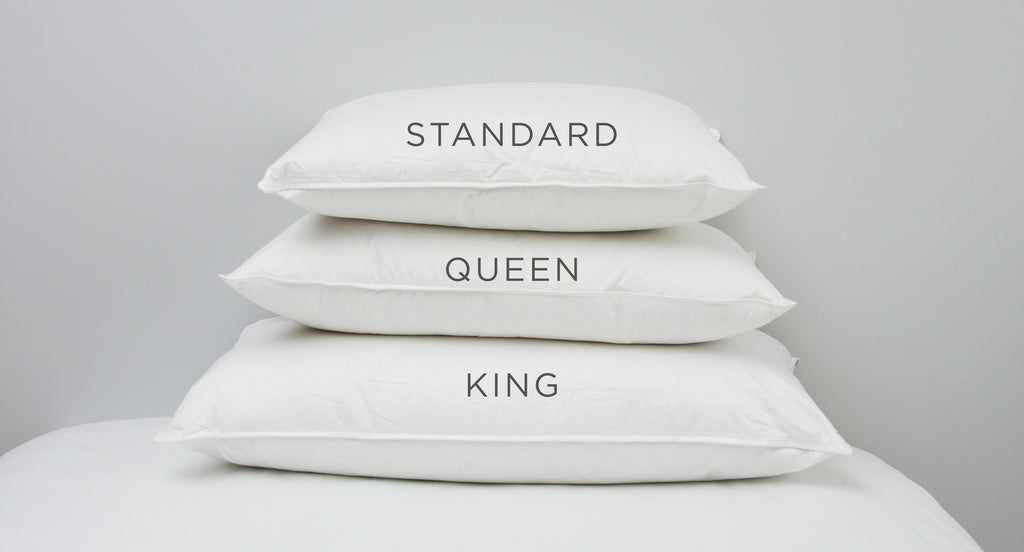
Queen pillows are longer than standard, offering more reach and better edge-to-edge support.
If you’re weighing queen vs standard pillow, you’re in the right place. I test pillows for a living and help people fix sleep pain fast. In this guide, I break down sizes, comfort, sleep styles, and real-life fit. You’ll see when a queen vs standard pillow is the smarter choice, and how to pick one that supports your neck, budget, and bed.
Queen vs standard pillow size guide
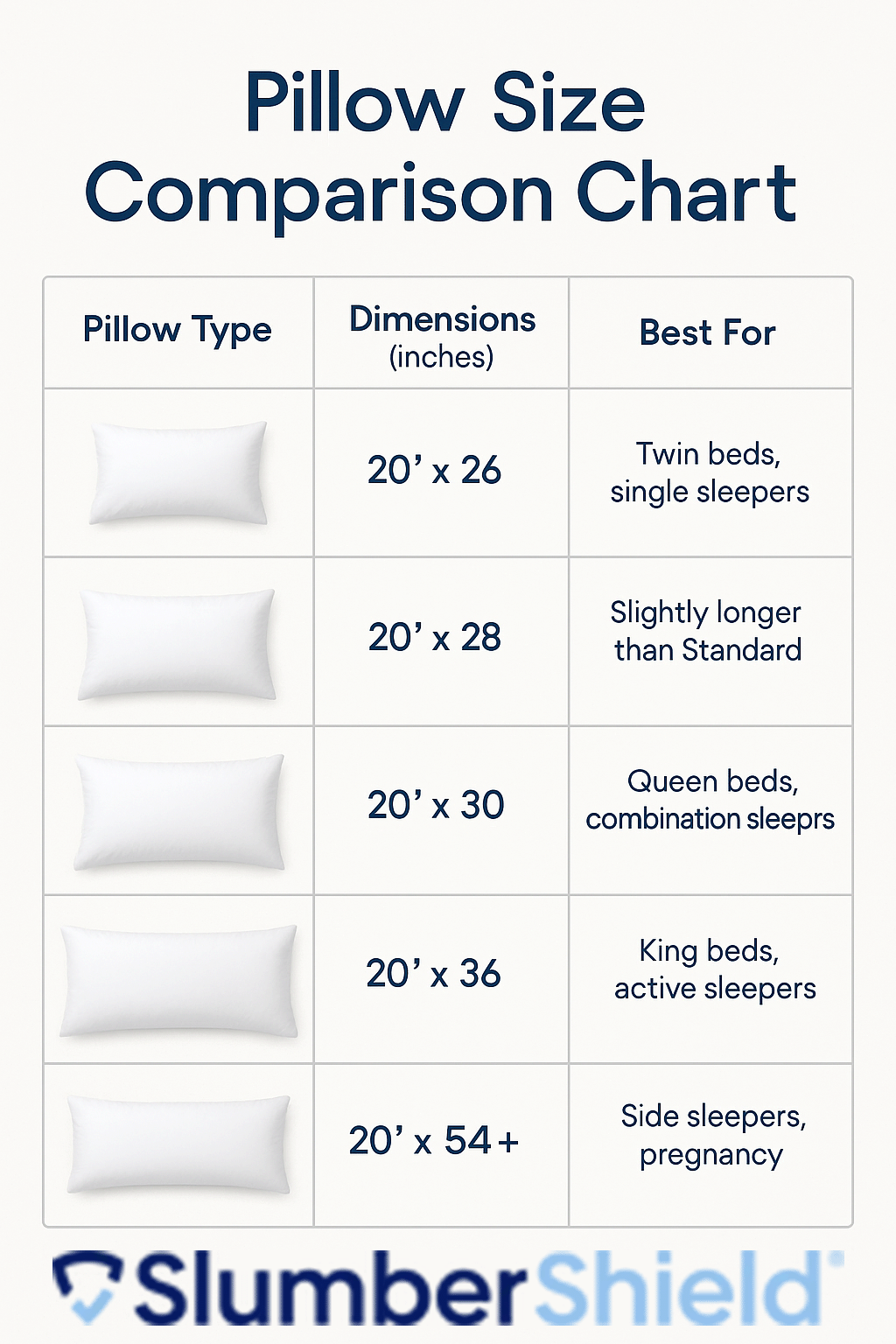
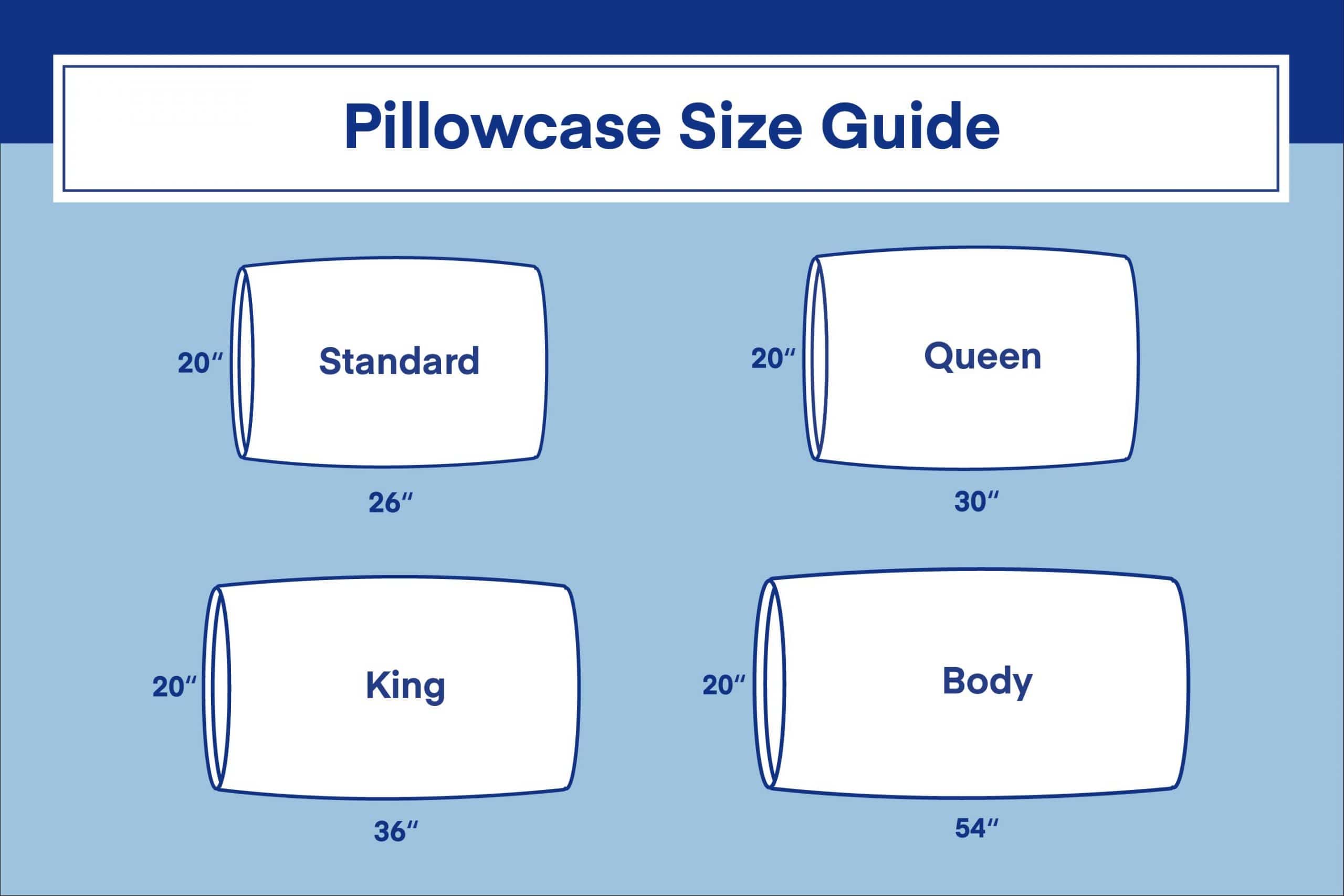
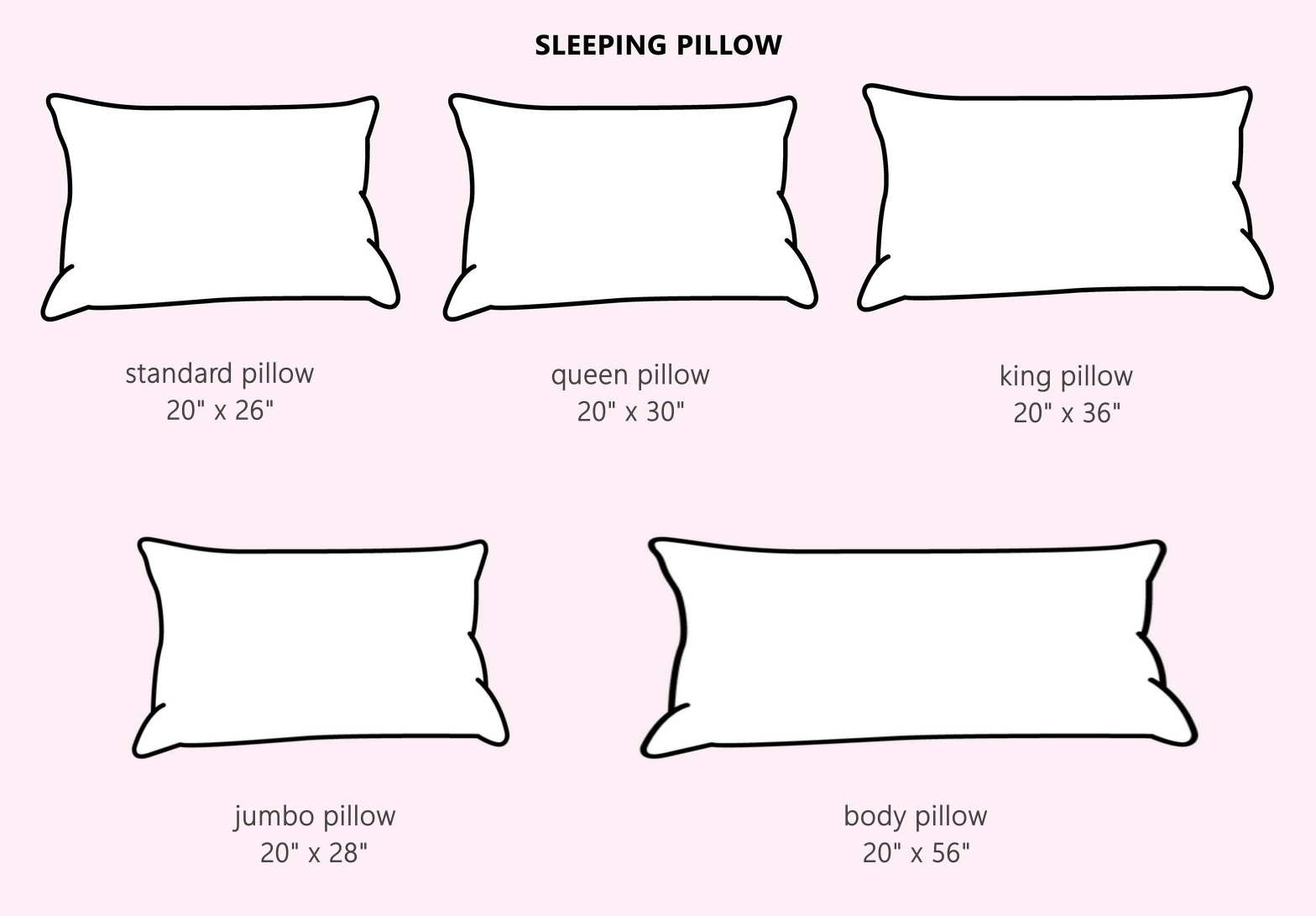
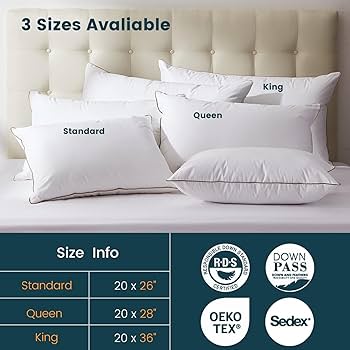
Let’s start with the numbers. A standard pillow is about 20 x 26 inches. A queen pillow is about 20 x 30 inches. The height is the same. The queen is only longer.
That extra 4 inches may sound small. In bed, it feels big. It fills more space and catches you when you roll. This is the core of queen vs standard pillow decisions.
Pillowcases can be tricky. Many stores sell Standard/Queen cases. These cases fit both sizes, but a queen may feel snug. A true queen case sits cleaner and reduces bunching at the ends.
Common size notes:
- Standard pillow: about 20 x 26 inches. Best for one per twin, two per full.
- Queen pillow: about 20 x 30 inches. Best for one per twin if you move a lot, two on a queen bed.
- King pillow: about 20 x 36 inches. Best for king and California king beds.
Which size works for your bed and sleep style
Your bed width, body shape, and sleep style all matter. This is where queen vs standard pillow choices become clear.
By bed size:
- Twin or Twin XL: Standard fits well. Queen if you toss and turn.
- Full/Double: Two standards look tidy. Two queens reach the edges with less gap.
- Queen bed: Two queens look proportional and meet in the middle. Two standards leave a gap.
- King or Cal king: Use two kings, or three standards, or two queens if you want a firmer look.
By sleep style:
- Side sleepers: Queen gives more landing zone when you roll. It reduces edge drop and keeps your head in line.
- Back sleepers: Standard often works fine. If you shift a lot, queen adds comfort.
- Stomach sleepers: Standard keeps height lower and reduces neck bend.
- Broad shoulders: Many side sleepers with wide shoulders like queen for better reach.
From my testing, the queen vs standard pillow choice often comes down to movement. If you stay still, standard is enough. If you roam at night, queen feels effortless.
Comfort factors beyond size: loft, fill, and firmness
Size alone will not fix neck pain. In queen vs standard pillow debates, loft and fill do most of the heavy lifting.
Loft and firmness:
- Side sleepers: Medium to high loft, about 4 to 5 inches. Fills the space under your neck.
- Back sleepers: Medium loft, about 3 to 4 inches. Keeps the head level.
- Stomach sleepers: Low loft, about 2 to 3 inches. Reduces strain.
Fill types:
- Memory foam solid: Good shape hold and neck support. Can trap heat if not ventilated.
- Shredded memory foam: More airflow and moldable feel. Shake it to refresh loft.
- Latex: Buoyant, cool, and durable. Great for support with bounce.
- Down or feather: Soft and light. Needs fluffing. Pick high fill power for better lift.
- Down alternative (microfiber): Budget friendly and hypoallergenic. Medium support and easy care.
Many buyers compare queen vs standard pillow but ignore fill. Match size to bed, then match loft and fill to your neck and sleep style. This two-step process works well.

Pros and cons at a glance
Standard pillow pros:
- Lower cost: Often a few dollars less per pillow and per case.
- Tidy fit: Works on twin and full beds without bunching.
- Good for kids and small frames: Low risk of neck bend.
Standard pillow cons:
- Less reach: Easier to roll off the edge.
- Gap on wider beds: Two standards on a queen leave space in the middle.
Queen pillow pros:
- More coverage: Extra length catches restless sleepers.
- Better bed styling: Two queens fill a queen bed with a clean look.
- Flexible for side sleepers: Helps keep alignment across the night.
Queen pillow cons:
- Slightly higher cost: Pillow and case prices can add up.
- Tight in Standard/Queen cases: Can feel snug unless you use true queen cases.
If looks and motion matter, queen vs standard pillow often tips to queen. If budget and a neat fit matter most, standard wins.
Real-world testing tips and mistakes to avoid
Here’s how I test pillows with clients and at home. It makes queen vs standard pillow choices simple and sure.
Try before you buy:
- Measure shoulder-to-neck gap: Sit tall against a wall, then lie on your side. The space you see is your target loft.
- Do the roll test: Lie down and roll side to side. If your head slips off, size up to queen.
- Check breathing: Back sleepers should feel open airways. If your chin tucks, the pillow is too high.
Avoid these mistakes:
- Shopping by size only: Loft and fill matter more for pain relief.
- Using one pillow for all sleepers: Mix sizes and lofts if you share a bed.
- Ignoring pillowcases: A tight case can change loft and feel.
From my own use, I keep a queen for nights I move a lot and a standard for stomach sleep days. That mix covers all bases.

Care, pillowcases, and budget
Care extends life. It also keeps support steady in both queen vs standard pillow options.
Care basics:
- Fluff daily: Restores loft and keeps airflow up.
- Wash as directed: Down alternative and many shredded foams are washable. Solid foam cores are spot-clean only.
- Replace on time: Most pillows last 1 to 2 years. Latex can last longer.
Pillowcases and shams:
- Look for breathable cotton or Tencel: Cooler and softer on skin.
- Standard/Queen case: Fits both sizes but may be snug on queen.
- Queen-specific case: Cleaner fit and less bunching on queen pillows.
Budget notes:
- Standard is cheaper for pillow and case.
- Queen costs a bit more but can replace the need for constant readjustment.
- If you share a queen bed, two queen pillows often feel and look best.
When price and comfort clash in a queen vs standard pillow choice, weigh long-term neck comfort. You sleep on it every night. A few dollars spread over years is small.
Frequently Asked Questions of queen vs standard pillow
What is the exact size difference in queen vs standard pillow?
A standard is about 20 x 26 inches, and a queen is about 20 x 30 inches. Both have the same height and only differ in length.
Will a queen pillow fit in a Standard/Queen case?
Yes, most Standard/Queen cases fit both. The queen may feel snug, so a true queen case gives a smoother fit.
Which is better for side sleepers in queen vs standard pillow?
Queen is often better for side sleepers who roll. The extra length keeps your head supported near the edges.
Is standard better for stomach sleepers?
Usually yes, because a lower loft is easier to find in standard pillows. It helps reduce neck strain.
Do two standard pillows look small on a queen bed?
They can leave a gap in the middle. Two queen pillows fill the width and look more balanced.
Are queen pillows worth the extra cost?
If you move a lot or want a cleaner bed look, yes. The added comfort and coverage can be worth it.
How often should I replace a pillow?
Most pillows last 1 to 2 years. Replace sooner if you see sagging, lumps, or wake with neck pain.
Conclusion
The size choice is simple. Standard is compact and budget friendly. Queen adds reach, support at the edges, and a balanced look on wider beds. In the queen vs standard pillow debate, match size to bed width and movement, then match loft and fill to your neck.
Test with the roll test, check your loft needs, and pick a case that fits right. Make your move this week: choose the pillow that fits your sleep style, not just your bed. Have questions or want a fit check? Drop a comment and I’ll help you dial it in.
Leave a Reply