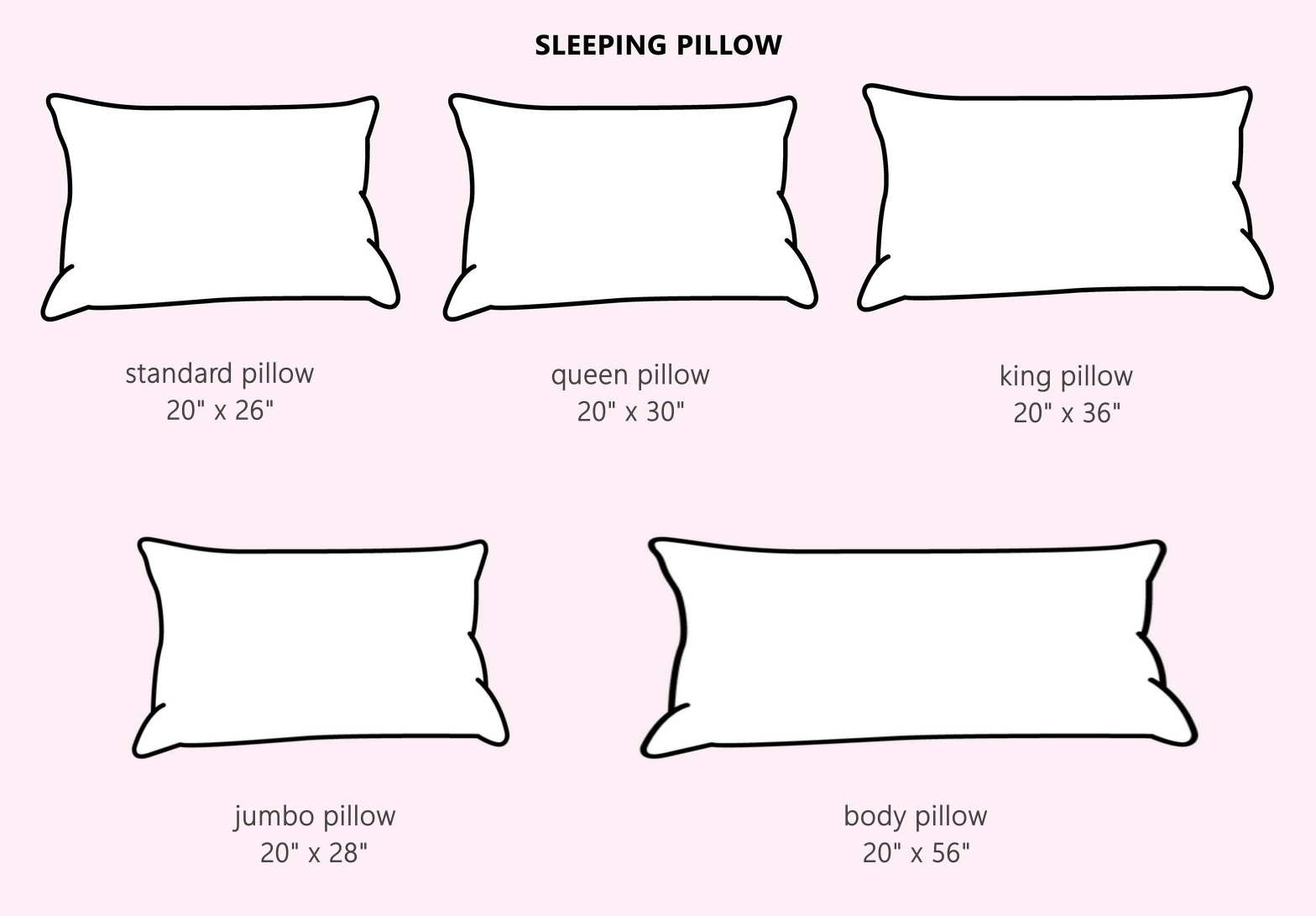
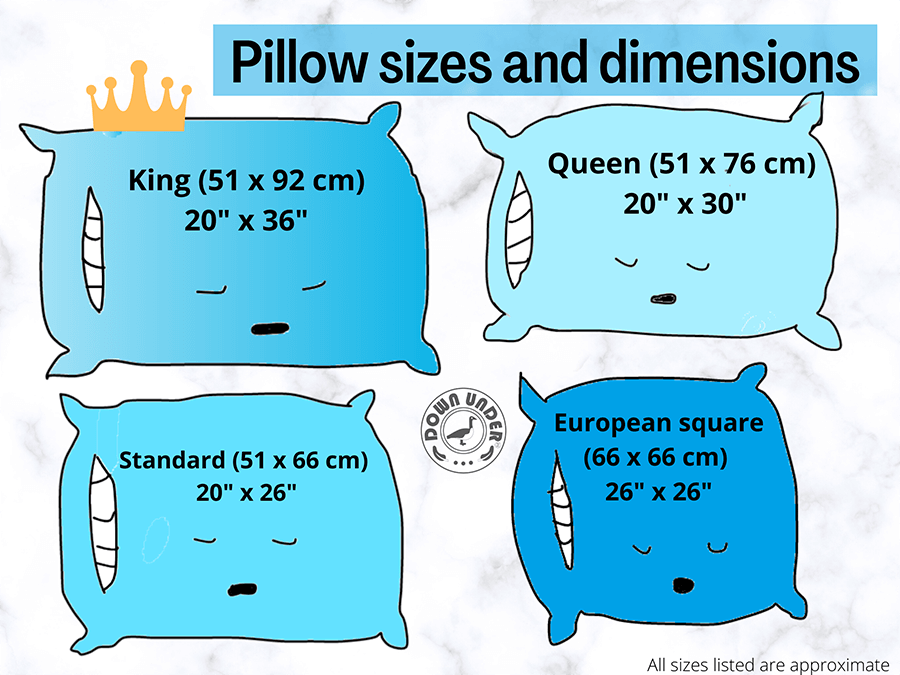
Queen pillows measure 20×30 inches; standard pillows measure 20×26 inches.
If you are torn between queen vs standard pillow size, you are not alone. I help shoppers make small choices that change sleep in big ways. In this guide, I explain the real-world pros, the trade-offs, and how each size fits your bed, sleep style, and budget. By the end, queen vs standard pillow size will feel simple and you will know exactly what to buy.
What’s the difference? Dimensions at a glance
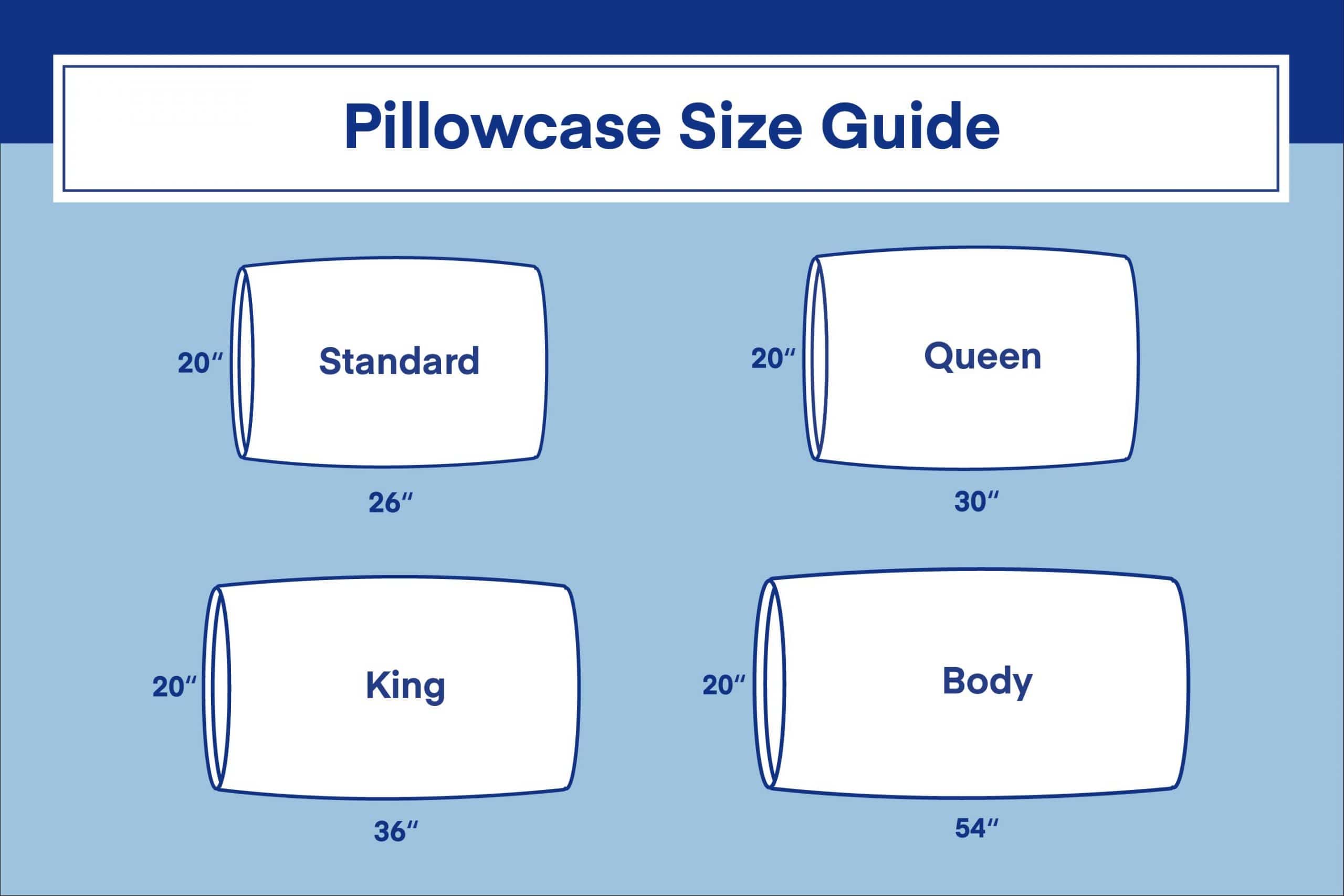
The core difference is length. Width is the same for both.
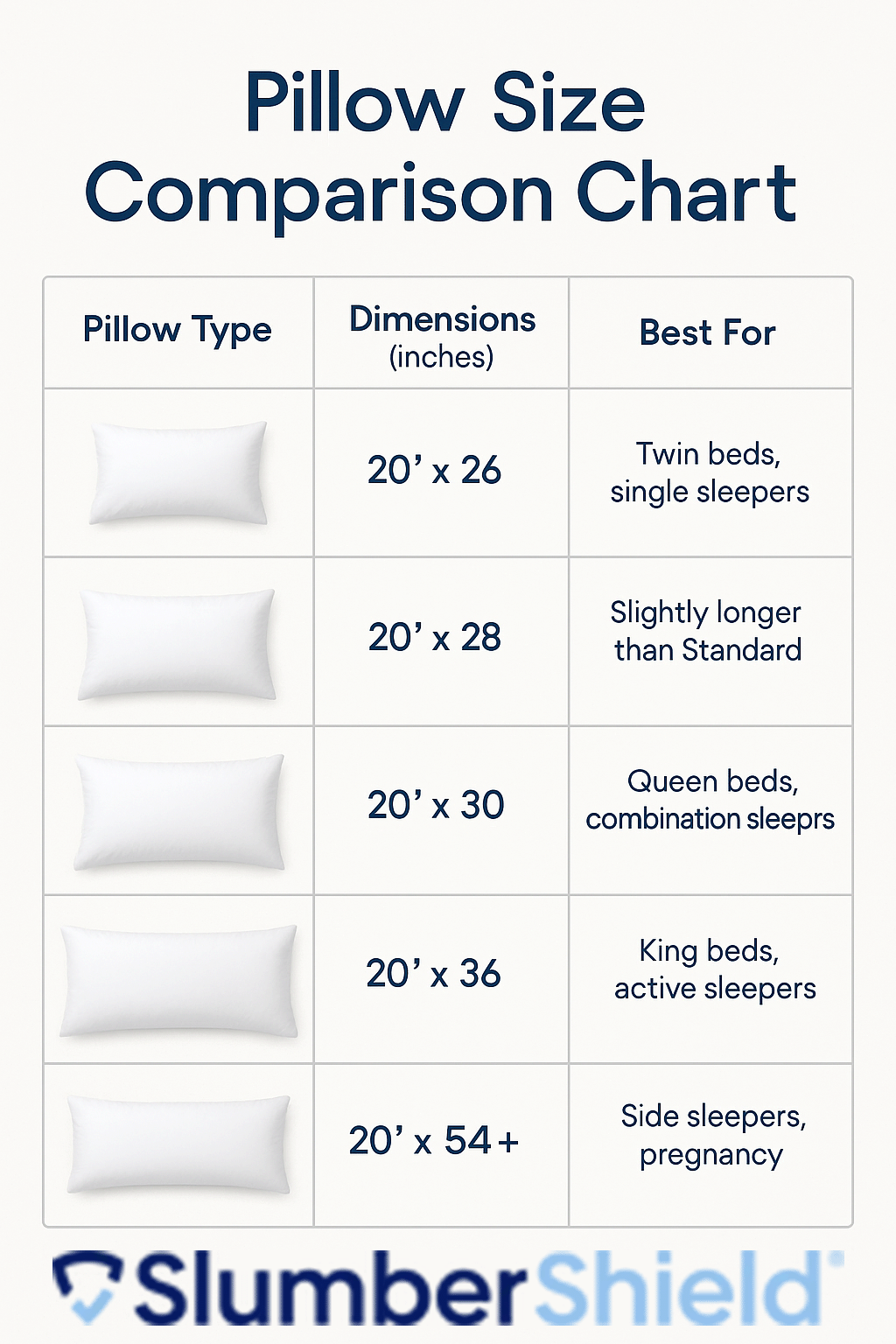
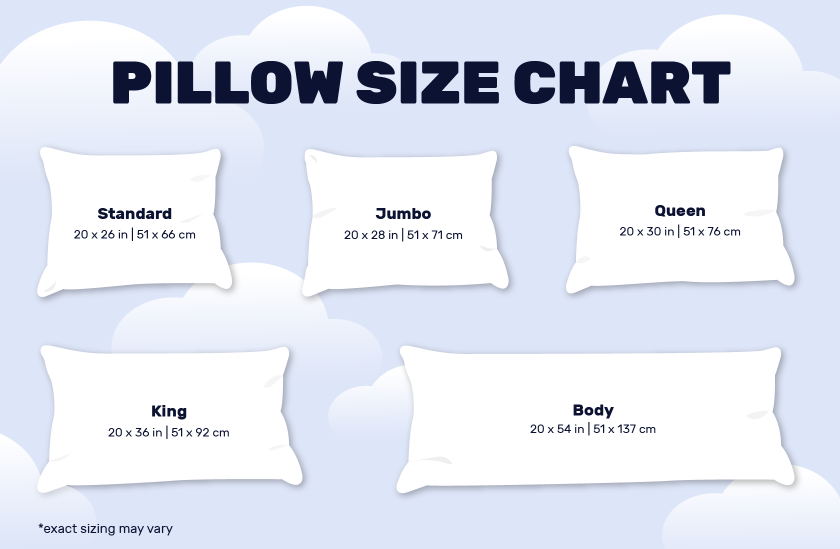
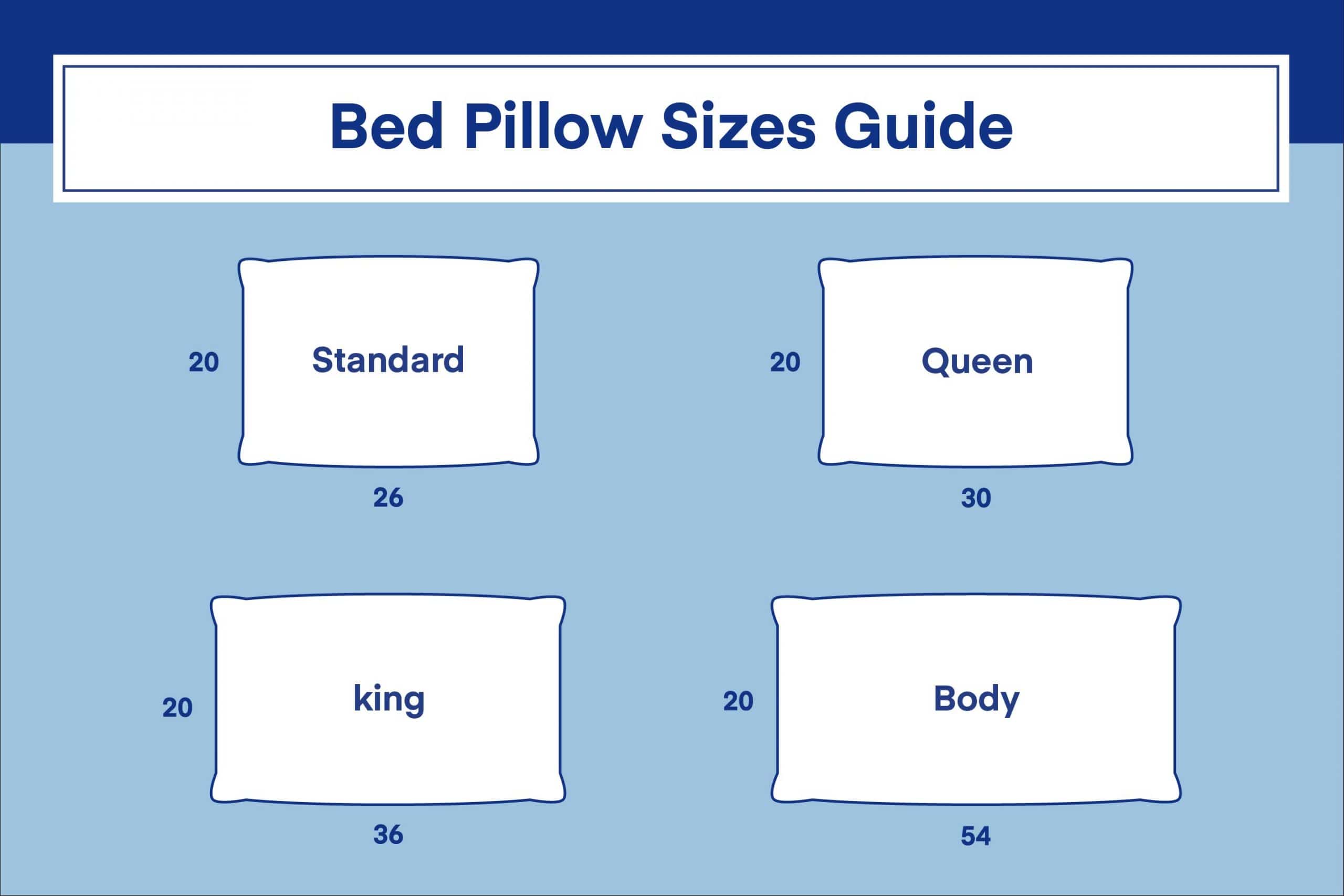
- Standard pillow: 20 x 26 inches
- Queen pillow: 20 x 30 inches
- King pillow for reference: 20 x 36 inches
- Euro sham for reference: 26 x 26 inches
That extra 4 inches on a queen can matter. It fills a queen mattress edge to edge with two pillows. It also gives active sleepers more landing space. This is the heart of queen vs standard pillow size.
Pros and cons of each size
Both sizes work well. Your needs decide the winner.
- Standard pillow pros: Lower cost, lighter, easy to fluff, fits most cases, great for full and twin beds.
- Standard pillow cons: Slight gaps on a queen bed, less room if you toss and turn.
- Queen pillow pros: Two fit a queen bed with a clean, full look, more surface area, good for combo sleepers.
- Queen pillow cons: Slightly higher price, heavier, may crowd a full bed, can look snug in some standard shams.
If you want a neat hotel-like finish on a queen bed, the queen vs standard pillow size debate often leans to queen.

Which size fits your bed and setup
Bed width matters. Here is how the math plays out.
- Queen bed is 60 inches wide. Two queen pillows span about 60 inches. Two standard pillows span about 52 inches and leave small side gaps.
- Full bed is 54 inches wide. Two queen pillows total 60 inches and can overhang. Two standard pillows fit cleanly.
- Twin bed is 38 inches wide. One standard pillow fits great. One queen pillow is fine if you like more head space.
- King bed is 76 inches wide. Two king pillows match the width. If you prefer three across, use three standards or three queens for a layered look.
This is the practical core of queen vs standard pillow size. Your bed size and your style guide the choice.
Sleep position and body size considerations
Your sleep position affects the best fit.
- Side sleepers: Often like the extra length of a queen. It keeps shoulder, neck, and jaw supported as you shift.
- Back sleepers: Both sizes work well. Pick the length you prefer and focus more on loft and firmness.
- Stomach sleepers: Standard can feel easier to manage and less bulky. Keep loft low to protect your neck.
- Broad shoulders or restless sleepers: Queen can reduce midnight readjusting. It gives a wider landing zone.
Even here, queen vs standard pillow size is less about height. Loft depends on fill and build, not length.
Pillowcases, shams, and protectors
Case fit can make or break comfort.
- Standard pillowcase: Often sized to fit both standard and queen. It may leave extra fabric with a standard pillow and a snug fit with a queen.
- Queen pillowcase: Designed for a precise fit on queen pillows with less overhang.
- Protectors: Look for labels that say Standard/Queen or specific dimensions. Zippered protectors help with dust and mites.
- Shams: A queen pillow may feel tight in some standard shams. Check the fabric stretch and stated size.
If you mix sizes, test the case fit first. It is a small step that avoids nightly fuss and keeps the queen vs standard pillow size choice stress-free.

A feel-first buying checklist
Try this simple, fast test in store or at home.
- Lie down on your side and back. Let your head relax. Does your neck feel level with your spine?
- Roll once. Does your head stay supported or slip off the edge?
- Hug the lower third of the pillow. Does it spring back or feel flat?
- Check the tag for dimensions and care. Confirm the size matches your plan.
- Pair with the right loft. Size is length; comfort is loft and fill.
This checklist works for both sizes and makes queen vs standard pillow size easier to judge by feel, not guesswork.
Real-life examples and tips
From my own testing and client setups, here is what works.
- A couple on a queen bed who toss and turn: Two queen pillows solved the nightly edge gaps.
- A teen on a full bed: Two standard pillows kept the bed neat and left room for a reading cushion.
- A hot sleeper: A queen pillow in a breathable case reduced wake-ups by cutting mid-sleep repositioning.
- A guest room trick: One queen pillow plus a Euro sham gives support for reading without stacking many pillows.
The small size change in queen vs standard pillow size can feel big if you move a lot or want a tidy bed line.

Cost, care, and longevity
Price and upkeep are part of the choice.
- Cost: Standard is usually a bit cheaper. Queen costs a little more for the extra fill and fabric.
- Care: Wash down and down-alternative pillows every 4–6 months. Air dry fully. Spot-clean foam cores and wash removable covers.
- Replacement: Most pillows last 1–2 years. Foam and latex can last longer if cared for well.
- Protectors: Use a zippered protector to block oils and extend life. This pays off for both sizes.
If budget is tight, start with standard. If you want full coverage on a queen bed, the queen vs standard pillow size upgrade is worth the small price jump.
How to style your bed with each size
You can get a clean, cozy look with either size.
- Queen bed with queen pillows: Two queens in front, two Euro shams behind. Add one lumbar for texture.
- Queen bed with standard pillows: Two standards in crisp cases, centered. Add a long lumbar to fill width.
- Full bed: Two standard pillows keep scale balanced. Add one Euro sham for height and reading support.
- King bed: Two kings across for a tidy hotel look, or three queens for a designer, layered feel.
When style matters, queen vs standard pillow size helps manage proportion, balance, and that polished finish.
Frequently Asked Questions of queen vs standard pillow size
Is a queen pillow the same width as a standard pillow?
Yes. Both are 20 inches wide. The difference is length: standard is 26 inches and queen is 30 inches.
Will queen pillows fit in standard pillowcases?
Often yes, but it can be snug. Check the case label for Standard/Queen or 20 x 30 inches for the best fit.
Are two queen pillows too big for a full bed?
They can overhang since two queens total about 60 inches. Two standard pillows fit a 54-inch full bed better.
Which is better for side sleepers, standard or queen?
Many side sleepers like queen for extra surface area. It reduces edge slips when you move at night.
Do I need new protectors if I switch sizes?
If your protectors are Standard/Queen, you may be fine. For a perfect fit, choose protectors that match your exact pillow size.
Are queen pillows worth the extra cost?
If you have a queen bed or move a lot, yes. The fuller coverage and less shifting can improve comfort.
Can I mix standard and queen pillows on the same bed?
Yes. Keep matching cases for a clean look. Use a long lumbar or Euro shams to tie the layers together.
Conclusion
Both sizes work, but your setup makes the call. Choose standard for lower cost, lighter feel, and full or twin beds. Choose queen for a queen mattress, extra room to move, and a polished edge-to-edge look. The queen vs standard pillow size debate ends when you try the shape that matches your bed and sleep style.
Test one tonight. Start with one pillow, check your neck, and note your morning feel. Share your questions or your before-and-after results, and subscribe for more simple sleep upgrades.
Leave a Reply