Both guide growth and habits; Myobrace trains function, tooth pillow guides eruption.
If you are comparing tooth pillow vs myobrace, you want real answers, not hype. I help families choose these systems every week. In this guide, I break down how each works, who benefits, costs, timelines, and what I see in real life. By the end, tooth pillow vs myobrace will feel clear and simple.

What Is a Tooth Pillow and What Is Myobrace?
Tooth pillow often refers to a soft, kid-friendly oral appliance with “pillows” that guide erupting teeth. Many parents hear this term from airway-focused or pediatric dentists. The device can also support better sleep and mouth habits.
Myobrace is a brand of myofunctional trainers. It aims to fix poor oral habits that cause crooked teeth. It trains nasal breathing, tongue posture, and a gentle swallow.
Think of tooth pillow vs myobrace like two roads to the same town. One road nudges teeth as they grow. The other retrains the driver, which is the mouth and tongue.

How Each System Works
A tooth pillow appliance gently cups erupting teeth. The soft pillows guide them into a better path. It also holds the jaw in a healthy position and can support a closed mouth at night. Some versions include air channels to support nasal breathing.
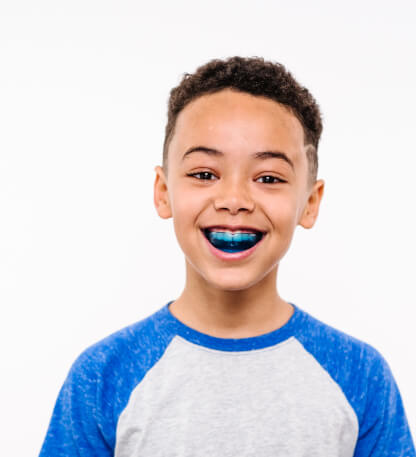
Myobrace focuses on function. It uses a series of trainers with built-in exercises. Kids wear it for short day sessions and overnight. The device promotes lip seal, correct tongue rest to the palate, and nose breathing.
When I compare tooth pillow vs myobrace for families, I stress this. Tooth pillow guides growth like lane markers. Myobrace changes the driver’s habits, which can change the whole trip.
Who Is a Good Candidate?
A tooth pillow style appliance suits younger kids as teeth erupt. Ages 3 to 8 is common. It can help with mild crowding, mouth breathing, and restless sleep. It is gentle and easy to accept.
Myobrace fits a wider age range. Ages 5 to 12 is common, and even teens can use it. It is best for kids with open mouth posture, low tongue posture, or a poor swallow. It helps when habits are the main cause.
To pick between tooth pillow vs myobrace, look at age, habits, and goals. Younger child with new teeth coming in? Tooth pillow can help. Habit-heavy child with poor function? Myobrace may win.
Pros and Cons: Tooth Pillow vs Myobrace
Here is how I break it down in the clinic.
Tooth pillow pros:
- Guides erupting teeth during key growth years
- Soft, usually comfy, often easy to start
- Some models support better sleep and lip seal
Tooth pillow cons:
- Less active habit training unless paired with exercises
- Works best when started early
- Outcomes depend on growth timing and nightly wear
Myobrace pros:
- Strong focus on habit change and airway health
- Clear home exercises with each stage
- Can improve lip seal, tongue posture, and nasal breathing
Myobrace cons:
- Needs steady daily effort and parent support
- Speech can feel different while wearing it
- Progress slows if exercises are skipped
To decide on tooth pillow vs myobrace, match the tool to the main problem. For growth guidance, pick the pillows. For function and habits, pick the trainer.

Wear Schedule, Cost, and Commitment
Typical wear for a tooth pillow device is overnight. Some kids add a short day session. Many plans run 12 to 24 months. Reviews are set every 6 to 10 weeks.
Myobrace is often 1 to 2 hours a day plus overnight. Plans can also run 12 to 24 months. Expect monthly or bimonthly checkups.
Costs vary by city and case. In my practice and peers’ clinics, both systems can range from a few hundred dollars to a few thousand for a full program. The biggest cost driver is time and follow‑up. With tooth pillow vs myobrace, the winner is often the one your child will actually wear.

What the Research Suggests
Research shows that myofunctional training can improve lip seal, tongue posture, and nasal breathing. It can also reduce open mouth posture. Some studies report mild to moderate improvement in alignment in growing kids. Results depend on compliance.
Eruption guidance devices with tooth pillows show promise for early crowding and arch form. Case series report better sleep and behavior for some kids with mouth breathing. There are fewer large controlled trials compared to braces. That is common in early treatment tools.
I tell parents this about tooth pillow vs myobrace. Both can help the right child. Neither replaces good sleep, allergy care, or tongue tie care when needed. Good diagnosis still rules.

Safety, Side Effects, and Real-World Tips
Most kids adapt in a week or two. Expect some drool and speech changes at first. Teeth can feel tender for a few days as they settle. That is normal and short-lived.
I have seen hiccups you can avoid:
- Poor fit leads to chewing or gagging. Always adjust early.
- Skipped wear kills momentum. Use a simple chart and small rewards.
- Allergies block nasal work. Treat allergies first so the child can breathe through the nose.
With tooth pillow vs myobrace, the key is a calm, fun habit. Read a book at night with the device in. Keep language positive. Small wins every day beat big pushes on weekends.

How to Choose: A Simple Decision Path
Use this quick path I use with families.
- Start with a full airway and habit check. Look at lip seal, tongue rest, nasal airflow, and sleep.
- If function is the main issue, lean Myobrace. If early tooth guidance is key, lean tooth pillow.
- Consider age and timing. Younger than 6 with erupting incisors may do well with tooth pillow. Older kids with set habits often do better with structured training.
- Ask about wear time you can keep. If daily exercises are hard, pick the simpler schedule.
- Plan for follow-up. You need checks to adjust fit and track progress.
When in doubt, talk with a dentist who uses both. Ask to see cases like your child’s. Bring the question of tooth pillow vs myobrace to the visit. A good plan often blends both ideas.

Frequently Asked Questions of tooth pillow vs myobrace
What is the main difference in tooth pillow vs myobrace?
A tooth pillow device guides new teeth as they erupt. Myobrace trains habits like nasal breathing and tongue posture.
Can my child use both at different times?
Yes. Some plans start with habit training, then add guidance. Others begin with guidance, then move to training.
Which works faster in tooth pillow vs myobrace?
Speed depends on the child and wear time. Early guidance can show quick comfort changes. Habit change can take longer but can last.
Is tooth pillow vs myobrace a replacement for braces?
Not always. Both may reduce the need or length of braces. Some kids still need limited braces later.
What age is best for each system?
Tooth pillow devices often suit ages 3 to 8. Myobrace fits about ages 5 to 12, and sometimes teens.
Are there risks with tooth pillow vs myobrace?
Risks are mild, like drool, tenderness, or gag reflex early on. Fit checks and steady wear reduce most issues.
How do I know if my child needs airway help too?
Watch for snoring, open mouth sleep, or daytime mouth breathing. Get an airway exam if you see these signs.
Conclusion
Choosing between tooth pillow vs myobrace is not about picking a winner. It is about matching the tool to your child’s age, habits, and goals. Guided eruption helps when teeth are just arriving. Habit training helps when function holds teeth back.
Take one step today. Book an airway-focused exam and ask about tooth pillow vs myobrace for your child. If this helped, share it with a friend, subscribe for more guides, or drop your questions in the comments.
Leave a Reply